

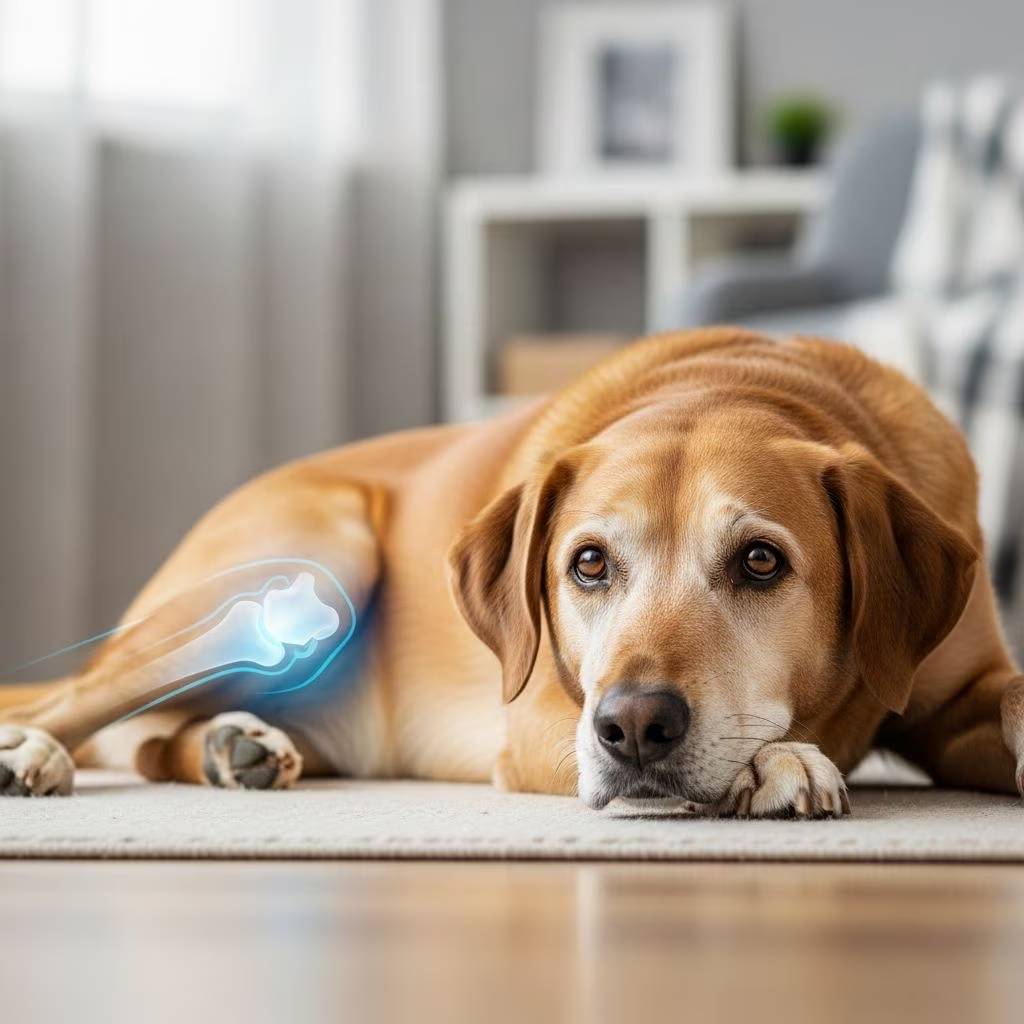
Understanding Degenerative Joint Disease in Dogs
Degenerative Joint Disease (DJD), commonly known as osteoarthritis or arthritis, is a progressive degenerative condition that affects the joints of aging dogs. This condition develops when the protective cartilage that covers the ends of bones in joints gradually breaks down over time. As the cartilage deteriorates, the underlying bone becomes exposed and can develop abnormal bony growths called osteophytes or bone spurs. The result is inflammation, pain, stiffness, and reduced mobility that significantly impacts your dog’s quality of life.
DJD is one of the most common orthopedic conditions seen in dogs, particularly as they age. While it is a progressive condition with no known cure, modern veterinary medicine offers numerous treatment options to manage pain, slow disease progression, and maintain your dog’s comfort and mobility.
What Causes Degenerative Joint Disease in Dogs?
Degenerative joint disease can develop in dogs for various reasons. Some dogs inherit a predisposition to joint problems, while others develop DJD as a result of joint injuries, previous fractures, or joint instability. Certain breeds are more prone to developing arthritis earlier in life, particularly large and giant breeds. Additionally, dogs that are overweight or obese are at significantly higher risk for developing or accelerating joint disease due to increased stress on their joints.
Age is a major factor in DJD development, with the condition becoming increasingly common in senior dogs. However, younger dogs can also develop arthritis following trauma, ligament tears, or as a consequence of hip dysplasia or elbow dysplasia. Repetitive stress from high-impact activities and previous orthopedic surgery can also contribute to the development of degenerative joint changes.
Recognizing the Signs of Degenerative Joint Disease
Early detection of degenerative joint disease can help you initiate treatment sooner and potentially slow its progression. Dogs with DJD typically display several characteristic signs and symptoms:
- Lameness: Limping or favoring one or more legs, especially after rest or during cold weather
- Stiffness: Difficulty getting up from lying or sitting positions, most noticeable in the morning or after periods of inactivity
- Reluctance to engage in activities: Refusing to jump into vehicles, climb stairs, or participate in play and walks
- Decreased mobility: Moving more slowly than usual or avoiding stairs and furniture
- Swollen or enlarged joints: Visible swelling around affected joints
- Pain and sensitivity: Irritability when touched in certain areas or reluctance to bear weight on affected limbs
- Behavioral changes: Increased lethargy, excessive sleeping, or restlessness due to discomfort
- Altered gait: Slow, shuffling walk or asymmetrical movement patterns
- Licking or chewing joints: Dogs may obsessively lick or bite at painful joints
- Whining or vocalization: Expressing pain through whimpering or aggression when moving
It’s important to note that lameness and stiffness are often most pronounced when your dog first gets up from rest, particularly in the morning or after napping. These symptoms may be exacerbated by cold or wet weather conditions. Initially, lameness may be intermittent and only apparent during or after vigorous exercise, but as the disease progresses, it can become constant and more severe.
How is Degenerative Joint Disease Diagnosed?
If you notice any signs of arthritis in your dog, it’s essential to schedule an examination with your veterinarian. During the examination, your vet will perform a physical evaluation of your dog’s joints, assessing range of motion, pain response, and signs of instability. Your veterinarian will also take a detailed history of your dog’s symptoms and behavior changes.
To confirm a diagnosis of degenerative joint disease, your veterinarian may recommend radiographic imaging (X-rays) to visualize the joints and assess the extent of cartilage loss, bone changes, and joint damage. In some cases, additional imaging such as CT scans or joint fluid analysis may be necessary to rule out other conditions or determine the severity of the disease.
Treatment Goals for Managing DJD
While most damage caused by DJD is irreversible, the primary goals of treatment are to improve your dog’s quality of life, minimize pain and discomfort, and delay the progression of the disease. A comprehensive treatment approach typically combines medication, supplements, environmental modifications, activity management, and therapeutic interventions tailored to your individual dog’s needs.
How is DJD Treated?
Pain Management Medications
Modern analgesics and anti-inflammatory medications can effectively control pain in dogs with DJD while producing minimal side effects. The most commonly prescribed medications include:
- Nonsteroidal Anti-Inflammatory Drugs (NSAIDs): These are the cornerstone of pain management for arthritic dogs. Common NSAIDs include meloxicam (Metacam), carprofen (Rimadyl), deracoxib (Deramaxx), firocoxib (Previcox), robenacoxib (Onsior), and Galliprant. These medications reduce inflammation and provide pain relief while maintaining your dog’s mobility and quality of life.
- Gabapentin: This medication is particularly effective for pain relief, especially when combined with other pain medications. It often allows for decreased doses of other analgesics.
- Glucocorticoids: In some cases, corticosteroids may be recommended to reduce inflammation, though they are typically used more cautiously than NSAIDs.
Joint Supplements and Cartilage-Protecting Agents
Several medications and nutritional supplements are available that can slow disease progression and promote cartilage healing. Chondroprotectants are injectable medications that promote cartilage repair and help slow cartilage damage. Brand names include Adequan and Cartrophen. These medications work by:
- Improving blood supply within the joint
- Preventing harmful enzymes that destroy cartilage
- Promoting formation of fibrous tissue to heal damaged areas
- Stimulating production of joint lubricating fluid
- Promoting cartilage repair and regeneration
Oral supplements commonly recommended include glucosamine, chondroitin sulfate, methylsulfonylmethane (MSM), and hyaluronic acid (HA). These supplements support joint health and may help slow cartilage degradation.
Environmental Modifications
Making strategic modifications to your home environment can significantly improve your arthritic dog’s comfort and mobility:
- Provide orthopedic bedding and cushioned resting areas
- Use ramps to help your dog access elevated areas without jumping
- Place food and water bowls at appropriate heights to minimize joint stress
- Install non-slip flooring to prevent slipping and improve traction
- Maintain consistent, warm temperatures to reduce stiffness
- Use supportive braces for knees or other affected joints if recommended by your veterinarian
Activity Management and Exercise
Appropriate exercise is crucial for managing degenerative joint disease. While high-impact activities should be avoided, consistent low-impact exercise helps maintain muscle tone that supports joint stability and combats stiffness. Regular on-leash walks are ideal, as they allow controlled movement without excessive joint stress. Many dogs benefit from retiring from high-impact activities like agility or flyball competitions. Your veterinarian may recommend gradually increasing exercise duration and intensity while monitoring your dog’s response to activity.
Weight Management
Weight management is an essential component of DJD therapy. Excess weight significantly increases the load on your pet’s joints, accelerating disease progression. A weight loss diet combined with a low-impact exercise regimen, such as swimming or underwater treadmill walking, can help even pets with advanced joint disease shed pounds. Significant improvement in symptoms can often be seen with weight loss alone, potentially reducing the need for daily medications and other treatments. The impact of weight reduction on an arthritic pet’s quality of life cannot be overstated.
Advanced Treatment Options
Physical Rehabilitation and Therapeutic Modalities
Rehabilitation is a rapidly growing area of veterinary medicine similar to human physiotherapy. Certified rehabilitation practitioners offer many different treatments for arthritis including:
- Laser Therapy (Class IV): Cold laser therapy has been shown to decrease pain and inflammation while promoting tissue repair
- Hydrotherapy: Underwater treadmill walking and swimming provide low-impact exercise that strengthens muscles and improves mobility
- Therapeutic Ultrasound: This promotes relaxation of tissues surrounding joints, improving suppleness and flexibility while easing pain
- Heat Therapy: Helps reduce pain and stiffness while increasing circulation
- Massage and Muscle Therapy: Improves blood supply to muscles and stimulation leads to pain relief and improved function
- Transcutaneous Electrical Nerve Stimulation (TENS): Aids in reconditioning atrophied muscles and relieves pain
Alternative and Emerging Therapies
Several alternative approaches have shown promise in managing arthritic dogs:
- Acupuncture: May be effective as a complementary pain relief tool
- Chiropractic Adjustment: Some dogs benefit from these manipulations
- Stem Cell Therapy: Being used in some veterinary clinics to treat arthritic patients with promising results
- Platelet Rich Plasma (PRP) Injections: Also being explored as a regenerative therapy option
Surgical Interventions
In more severe cases where conservative treatments have not provided adequate relief, surgery may be considered. Surgical options include procedures to remove damaged joint tissue or, in appropriate cases, total joint replacement. Your veterinarian can determine if surgical intervention would be beneficial for your dog’s specific condition.
Can the Progression of DJD Be Slowed?
Yes, ongoing arthritis research has led to the development of drugs and supplements that are effective in controlling the destruction of cartilage in dogs with DJD. The combination of chondroprotectants, NSAIDs, supplements, weight management, and appropriate exercise can significantly slow disease progression and maintain your dog’s quality of life for years.
Creating a Comprehensive Treatment Plan
The most effective approach to managing degenerative joint disease is multimodal treatment, combining several different therapies tailored to your dog’s specific needs. Your veterinarian will work with you to develop a customized plan that may include medication, supplements, physical therapy, environmental modifications, and activity adjustments. Regular follow-up appointments allow your vet to monitor your dog’s response to treatment and make adjustments as needed.
Frequently Asked Questions About Degenerative Joint Disease in Dogs
Q: Can degenerative joint disease be cured?
A: No, degenerative joint disease cannot be cured. However, with appropriate treatment and management, you can effectively control pain, slow disease progression, and maintain your dog’s quality of life for many years.
Q: At what age does DJD typically develop in dogs?
A: While DJD is most common in senior dogs, it can develop at any age depending on breed predisposition, previous injuries, weight, and activity level. Large breed dogs may show signs as early as middle age.
Q: How long can a dog live with degenerative joint disease?
A: Many dogs can live long, happy lives with well-managed degenerative joint disease. With proper treatment, pain management, and supportive care, most dogs maintain good quality of life for several years or more.
Q: Are NSAIDs safe for long-term use in dogs?
A: Modern NSAIDs are generally safe for long-term use when prescribed by a veterinarian and when your dog is monitored with periodic blood work. Your vet will recommend the safest option based on your dog’s health profile.
Q: How important is weight management in treating DJD?
A: Weight management is critically important. Excess weight significantly increases joint stress and accelerates disease progression. Weight loss alone can often produce dramatic improvements in symptoms and quality of life.
Q: What is the best exercise for a dog with degenerative joint disease?
A: Low-impact, consistent exercise is ideal. Regular on-leash walks, swimming, and underwater treadmill walking are excellent options. The key is maintaining regular movement without high-impact activities that stress the joints.
References
- Degenerative Joint Disease in Dogs — VCA Animal Hospitals. 2024. https://vcahospitals.com/know-your-pet/degenerative-joint-disease-in-dogs
- Osteoarthritis in Dogs: Symptoms, Causes, and How To Help Your Pet — PetMD. 2024. https://www.petmd.com/dog/conditions/musculoskeletal/osteoarthritis-in-dogs
- Osteoarthritis — Cornell University College of Veterinary Medicine, Riney Canine Health Center. 2024. https://www.vet.cornell.edu/departments-centers-and-institutes/riney-canine-health-center/canine-health-topics/osteoarthritis
- Degenerative Joint Disease in Dogs — Alltech. 2024. https://www.alltech.com/blog/degenerative-joint-disease-dogs
- Osteoarthritis in Dogs: Causes, Symptoms & Treatment — Wolfe Animal Hospital. 2022. https://www.wolfeanimal.com/site/blog/2022/11/30/osteoarthritis-in-dogs



