

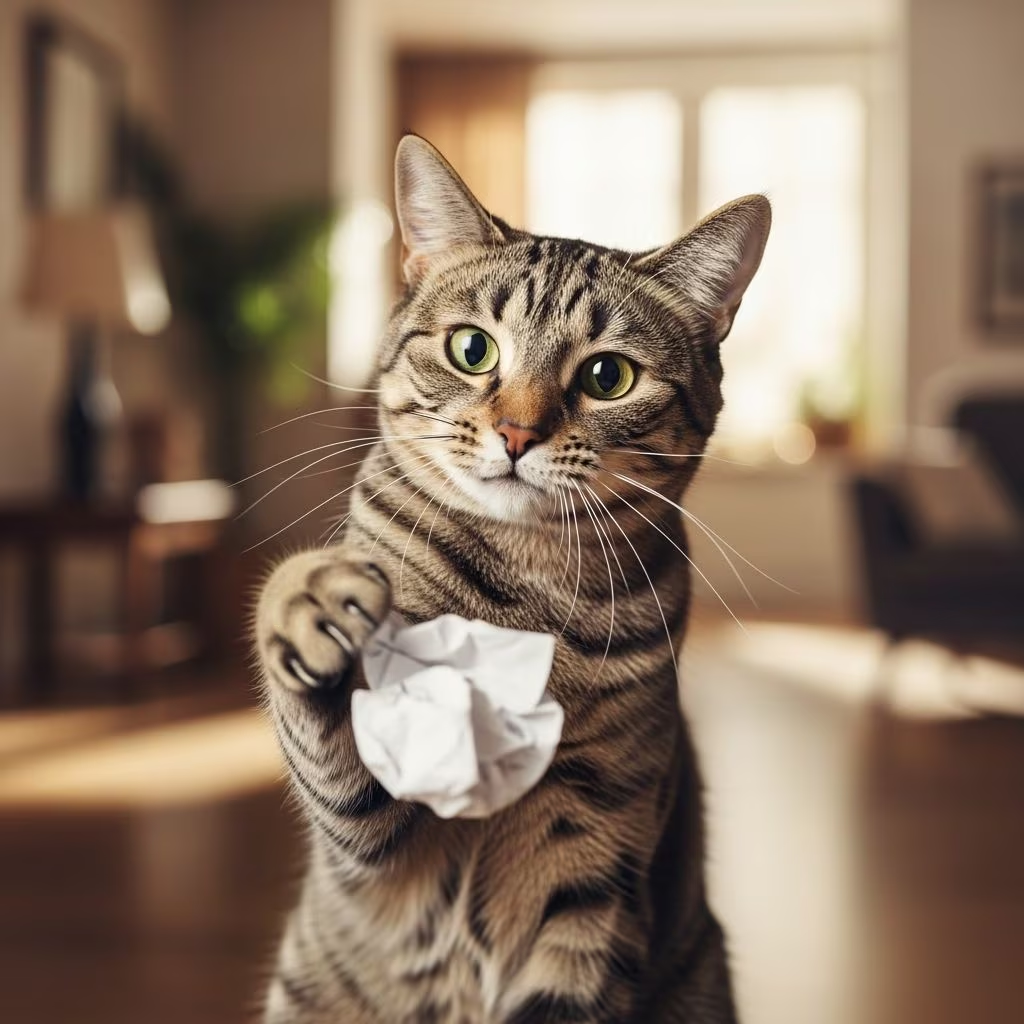
Cats are enigmatic companions whose sudden shifts in demeanor can puzzle even devoted owners. From scratching furniture to avoiding the litter box, these actions often signal underlying needs or discomforts rather than deliberate mischief. Understanding these patterns requires examining health, environment, and instincts, drawing from veterinary expertise to pinpoint causes and implement fixes.
Recognizing the Signals of Distress
Observant owners notice early warning signs before behaviors escalate. Common indicators include changes in elimination habits, heightened vocalizations, or uncharacteristic aggression. These aren’t random; they reflect a cat’s attempt to communicate discomfort, whether from pain, stress, or unmet needs.
- Inappropriate elimination: Urinating outside the box often stems from medical pain or litter aversion.
- Aggressive outbursts: Hissing, swatting, or biting may arise from fear or territorial instincts.
- Excessive meowing: Persistent cries can indicate hunger, thirst, illness, or anxiety.
- Destructive scratching: Beyond marking, it signals boredom or skin irritations like fleas.
- Overgrooming: Leads to bald patches from stress-induced compulsions.
Tracking these over days helps identify patterns, such as timing linked to meals or visitors, aiding in targeted interventions.
Unraveling the Root Causes
Behavioral shifts rarely occur in isolation. A multifaceted approach reveals triggers, starting with ruling out health concerns.
Health-Related Triggers
Medical conditions frequently masquerade as misbehavior. Urinary tract inflammation causes painful urination, prompting box avoidance as cats link it to discomfort. Kidney disease, diabetes, or hyperthyroidism increase urination frequency, overwhelming litter access. Digestive issues or mobility loss from age further complicate control.
Hyperthyroidism or cognitive decline in seniors manifests as nighttime prowling, while dental pain drives chewing on soft items.
Environmental and Stress Factors
Cats thrive on routine; disruptions like new pets, moves, or rearranged furniture spark anxiety. Confinement without stimulation leads to frustration, manifesting as aggression or vocal demands.
Social tensions, such as multi-cat rivalries over resources, fuel conflicts. Dirty litter boxes or inaccessible bowls exacerbate issues, as felines shun unclean spaces.
| Trigger Type | Examples | Behavioral Impact |
|---|---|---|
| Medical | UTI, thyroid issues | Litter avoidance, vocalization |
| Environmental | Dirty box, new pets | Aggression, scratching |
| Stress | Routine changes | Overgrooming, hiding |
Instinctual and Developmental Roots
Breed predispositions play a role; Oriental breeds show higher wool-sucking tendencies. Kittens lacking proper socialization may carry play-aggression into adulthood, mistaking hands for prey.
Addressing Aggression in Felines
Aggression tops owner concerns, ranging from fear-based defensive postures to redirected frustration. Fear aggression involves flattened ears and dilated pupils before strikes, often from past trauma or threats.
Territorial spats intensify with intact cats or resource scarcity. Pain amplifies irritability, turning gentle pets snappy.
- Identify triggers: Note contexts like guest arrivals or feeding times.
- Separate conflicting cats: Provide individual territories with separate resources.
- Veterinary check: Rule out arthritis or abscesses mimicking behavioral aggression.
Desensitization through gradual exposures, paired with positive rewards, rebuilds confidence. Pheromone diffusers mimic calming scents.
Solving Litter Box Mysteries
House soiling drives more surrenders than any other issue, yet solutions abound once causes clarify. Medical exams precede behavioral tweaks, as infections cause urgency beyond control.
Owners overlook box hygiene; daily scooping prevents aversion. Multiple cats demand one box per feline plus one extra, placed in quiet, accessible spots.
- Test litter preferences: Unscented, clumping varieties suit most.
- Enlarge boxes for seniors or heavyset cats to ease entry.
- Clean accidents with enzymatic cleaners to erase scents.
Stress from changes prompts spraying; neutering reduces marking by 90% in males.
Managing Vocal and Attention-Seeking Habits
Non-stop meowing disrupts households, signaling varied needs. Hunger prompts demands, solvable by scheduled feedings to break associations.
Heat cycles in unspayed females cause yowling; sterilization curbs this and health risks. Boredom or isolation leads to cries for interaction—interactive toys fill voids.
Ignore attention bids during unwanted vocalizations, rewarding quiet moments instead.
Taming Destructive and Compulsive Acts
Scratching fulfills stretching and marking; vertical posts with sisal mimic claws’ texture. Place near problem areas, rewarding use.
Compulsions like tail-chasing or wool-sucking escalate under stress, potentially genetic. Enrichment via puzzle feeders and perches redirects energy. Overgrooming risks skin infections; cone collars protect while addressing anxiety.
Chewing stems from teething, boredom, or pica—offer safe alternatives and vet dental checks.
Enriching Your Cat’s World for Prevention
Proactive environments curb issues. High perches offer security, tunnels spark hunts, and window seats combat boredom.
Clicker training reinforces positives: Mark desired acts with clicks, follow with treats. Daily play sessions matching dawn/dusk peaks tire felines naturally.
Multi-cat homes benefit from resource zoning—separate feeding stations prevent guarding.
When to Seek Professional Guidance
Persistent problems warrant vets first, then certified behaviorists. Medications aid severe anxiety, combined with therapy.
Track symptoms in journals for consultations, noting diet, routines, and incidents.
Frequently Asked Questions
Why did my cat start peeing outside the box suddenly?
Sudden changes often indicate urinary issues or stress; vet visits confirm.
How can I stop my cat from attacking my ankles?
Redirect with toys, avoiding hand play; schedule hunts to expend energy.
Is excessive licking normal?
Moderate grooming is; bald spots signal compulsions needing enrichment or meds.
Will neutering fix aggression?
It reduces hormone-driven acts but not fear-based ones; combine with training.
What if my senior cat acts erratic?
Check for cognitive dysfunction or thyroid problems via bloodwork.
References
- Cat Behavior — Baker Ranch Animal Hospital. Accessed 2026. https://www.bakerranchanimalhospital.com/services/cats/cat-behavior
- Feline Behavior Problems: House Soiling — Cornell University College of Veterinary Medicine. Accessed 2026. https://www.vet.cornell.edu/departments-centers-and-institutes/cornell-feline-health-center/health-information/feline-health-topics/feline-behavior-problems-house-soiling
- 9 Most Common Cat Behavioral Issues — Paoli Vetcare. Accessed 2026. https://www.paolivet.com/behaviour-counselling/cat-behavioral-issues/
- Cat Behavior Problems – Compulsive Disorders in Cats — VCA Animal Hospitals. Accessed 2026. https://vcahospitals.com/know-your-pet/cat-behavior-problems-compulsive-disorders-in-cats
- Cat Behavior 101 — Friends For Life Animal Shelter. Accessed 2026. https://friends4life.org/cat-behavior-101/
- 5 Cat Behavior Problems and How to Solve Them — ASPCA Pet Insurance. Accessed 2026. https://www.aspcapetinsurance.com/resources/5-cat-behavior-problems-and-how-to-solve-them/
- Common Cat Behavior Issues — ASPCA. Accessed 2026. https://www.aspca.org/pet-care/cat-care/common-cat-behavior-issues



