
Decoding Pet Food Marketing Tactics
Uncover the strategies pet food brands use to win your trust and dollars in a booming market.
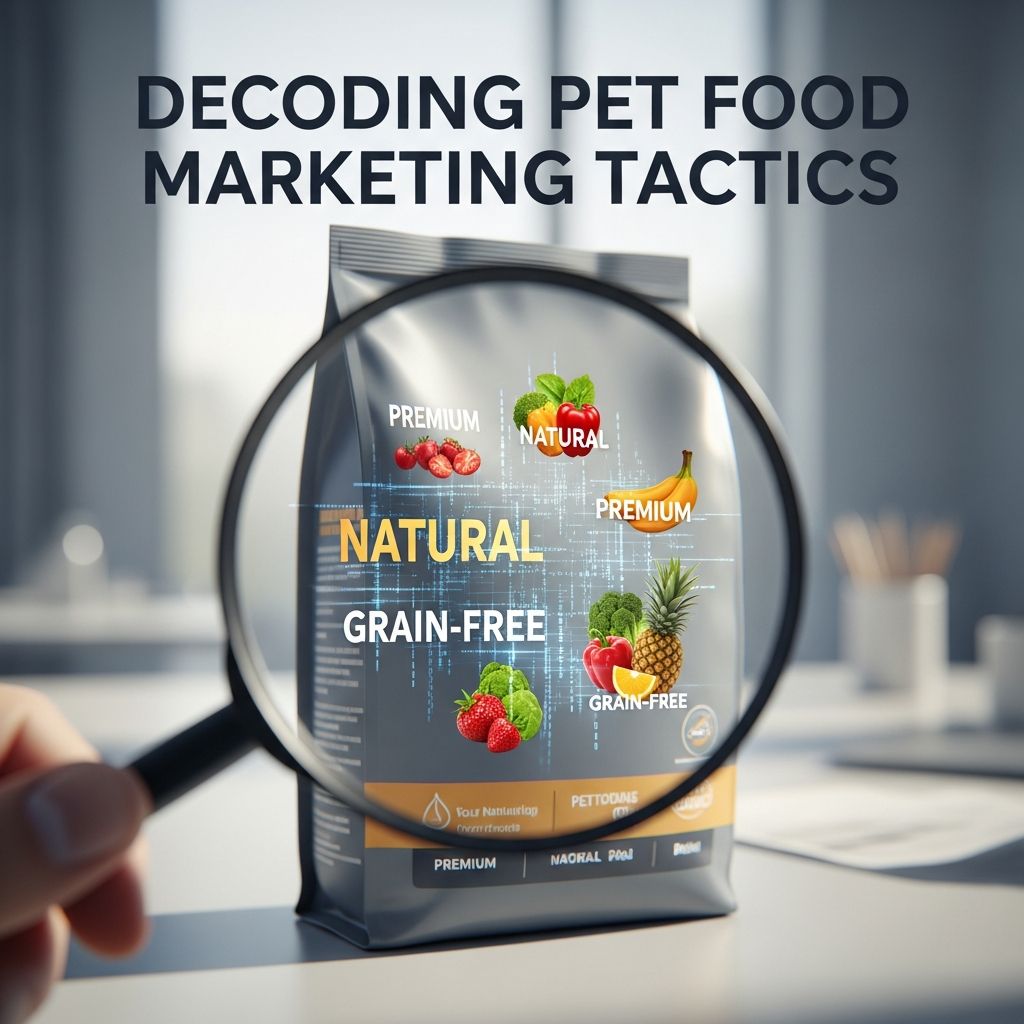
The pet food industry thrives on emotional connections, promising optimal health for dogs, cats, and birds through carefully curated messaging. As pet ownership surges, brands compete fiercely with tactics blending science, emotion, and innovation to capture spending in a market projected to emphasize premium and wellness products.
The Power of Emotional Storytelling in Pet Nutrition
Pet owners view their animals as family, a sentiment brands exploit through narratives evoking joy, relief, and pride. Campaigns often depict glossy-coated dogs bounding with energy or serene cats enjoying gourmet meals, implying direct causation from the product. This approach taps into high emotional stakes, where decisions feel personal rather than transactional.
Effective storytelling extends beyond visuals to testimonials from everyday owners sharing transformation stories, like a senior dog’s renewed vitality. Such content fosters trust, encouraging purchases without overt sales pitches. In 2026, with pet insurance enrollments up 12% year-over-year and veterinary spending hitting record highs, these stories align with owners’ proactive wellness mindset.
Navigating Ingredient Claims and Label Lingo
Labels boast terms like “natural,” “grain-free,” and “human-grade,” but decoding them requires scrutiny. “Natural” lacks strict regulation, often meaning minimal processing without synthetic additives, yet it guarantees nothing about sourcing quality. Grain-free diets surged in popularity amid debunked DCM links, yet veterinary consensus urges balanced nutrition over trendy exclusions.
Premium segments like fresh frozen and functional treats grow fastest, with 41% of dog owners opting for high-end kibble in recent years, up 5% annually. Brands highlight novel proteins such as salmon or insect-based options to differentiate, appealing to owners seeking allergy relief or sustainability. However, “complete and balanced”—verified by AAFCO standards—remains the gold standard for nutritional adequacy across life stages.
| Claim Type | What It Means | Consumer Appeal |
|---|---|---|
| Human-Grade | Ingredients safe for human consumption | Perceived superior quality |
| Grain-Free | No grains; often legume-heavy | Allergy myth busting |
| Functional | Adds benefits like joint support | Targeted health solutions |
| Sustainable | Eco-sourced ingredients | Environmental consciousness |
Trend-Driven Strategies: Personalization and Tech Integration
Artificial intelligence reshapes marketing by delivering hyper-personalized recommendations. Apps analyze breed, age, activity level, and health data to suggest custom meal plans, boosting loyalty through perceived expertise. A dog owner inputs their pet’s profile, receiving tailored topper suggestions for skin health—seamlessly driving upsells.
- AI-Powered Apps: Integrate with wearables tracking activity for dynamic feeding advice.
- Subscription Models: Predict reorder needs based on usage patterns, ensuring steady revenue.
- AR Try-Ons: Virtual previews of kibble bags or fresh meals in owners’ kitchens enhance engagement.
Zero-party data, voluntarily shared via quizzes on pet preferences, enables precise targeting amid privacy laws, building authentic relationships without invasive tracking.
Sustainability as a Core Selling Point
Eco-conscious messaging dominates, with brands touting biodegradable packaging, ethically sourced proteins, and carbon-neutral production. Bird food lines emphasize sustainably harvested seeds, while dog brands highlight upcycled ingredients reducing waste. Consumers demand transparency; audits and third-party certifications combat greenwashing accusations.
Yet, challenges persist: 64% of U.S. pet owners cite cost as a barrier to premium sustainable options, pushing brands toward value-based innovations like kibble-plus hybrids blending affordability with ethics. Refrigerated fresh foods grew 13.4% despite category slowdowns, signaling demand for planet-friendly premiums.
Social Media and Influencer Dynamics
Social commerce evolves with shoppable posts and live vet demos converting viewers instantly. Micro-influencers—trainers, bloggers with niche followings—offer credibility over mega-stars, sharing unscripted reviews that resonate. Pet parents crave authenticity, shunning generic endorsements.
Community building amplifies this: Online forums for breed-specific nutrition advice position brands as hubs, fostering user-generated content. Live streams featuring product unboxings or feeding challenges spike engagement, blending entertainment with education.
Premiumization and Wellness Boom
Owners trade up across categories, favoring supplements (53% adoption), specialized formulas, and natural chews over rawhide. Functional treats targeting mobility or calming lead growth, reflecting search-informed, empathetic buying. Brands differentiate via science-backed claims, like probiotics for gut health, validated by nutritionists.
Retail media networks in pet stores enable targeted ads at point-of-sale, while DTC channels thrive on direct feedback loops. Pet insurance ties into this, with policies covering premium diets, expanding market access.
Common Pitfalls and How Brands Avoid Them
Over-reliance on paid ads erodes equity; balanced mixes with SEO and organic content prove resilient. Neglecting mobile optimization loses younger demographics glued to apps. Exaggerated claims invite regulatory scrutiny—FTC guidelines demand substantiation.
- Avoid hype around unproven benefits like eternal youth.
- Prioritize AAFCO compliance for legal safety.
- Test messaging via A/B trials for resonance.
Future Outlook: What 2026 Holds
Expect deeper AI integration, mentally enriching formats like puzzle feeders with embedded nutrients, and global sustainability mandates. Brands succeeding will prioritize usefulness—educational content on reading labels empowers owners, building lifelong advocates. In a crowded field, empathetic, transparent tactics win.
Frequently Asked Questions
What should I look for on a pet food label?
Seek AAFCO statements, first five ingredients for nutrient density, and guaranteed analysis for protein/fat levels. Ignore flashy adjectives without backing.
Are grain-free diets necessary?
Not for most; consult vets. FDA investigations linked some to heart issues, favoring balanced grains.
How can I spot sustainable pet food?
Look for certifications like B Corp or USDA Organic, plus transparent supply chains.
Is personalized pet food worth it?
For specific needs like allergies, yes; otherwise, quality base diets suffice cost-effectively.
Do influencers influence my pet food choices?
Their authentic insights help, but cross-check with vets for tailored advice.
References
- Pet Food (cat, dog, bird) Marketing Strategies for 2026 — Hangar12. 2026. https://www.hangar-12.com/blog/pet-food-cat-dog-bird-marketing-strategies-for-2026
- Pet Economy 2026: Key Trends for Pet Marketers — Whirr Media. 2026. https://whirrmedia.com/blog/pet-economy-2026
- 2026 Pet Care Industry Trends — Clarkston Consulting. 2026. https://clarkstonconsulting.com/insights/2026-pet-care-industry-trends/
Similar Articles








Read full bio of Sneha Tete


