
Decoding Pet Food Labels: A Complete Guide
Master the art of reading pet food labels to make informed nutritional choices.
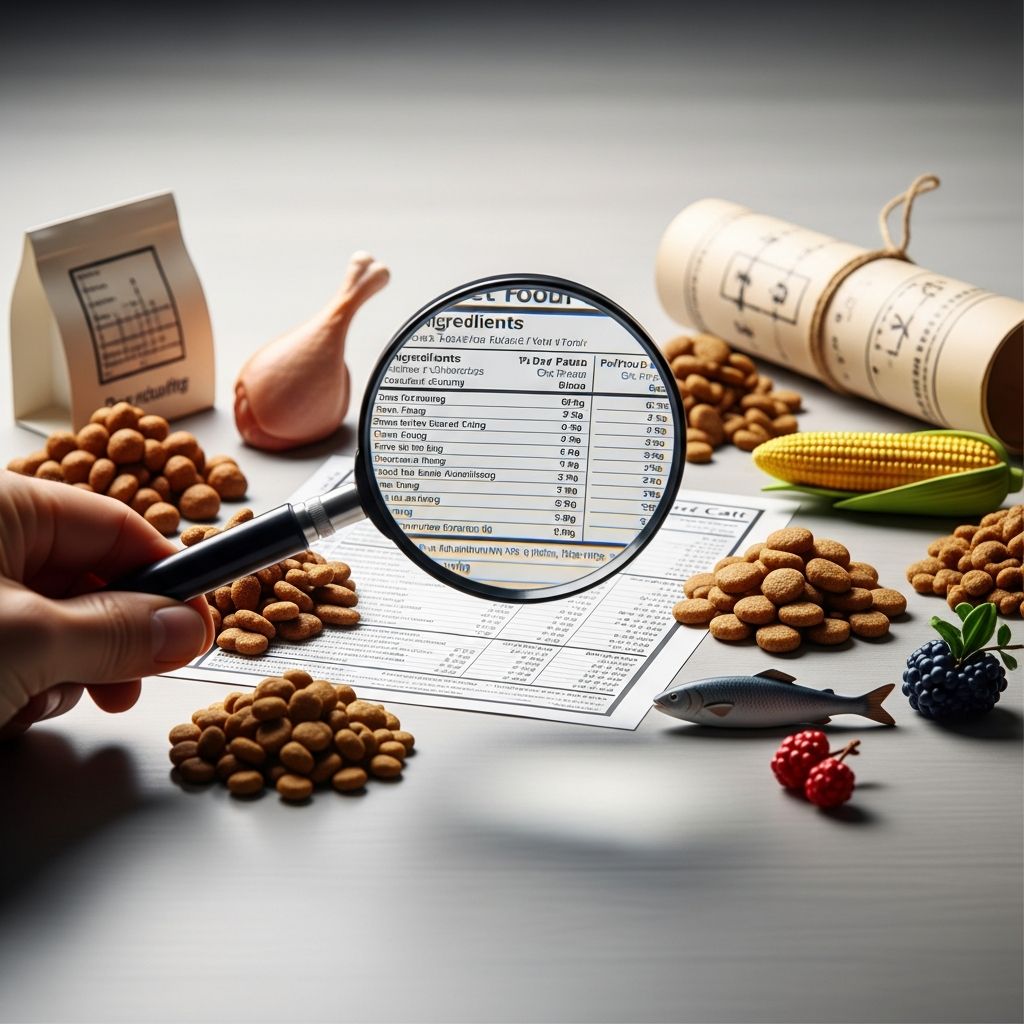
When you walk into a pet store or browse online retailers, the shelves are filled with countless options for feeding your furry companions. Each package promises superior nutrition, optimal health benefits, and quality ingredients. However, many pet owners struggle to understand what information on these labels actually matters and how to distinguish between genuinely nutritious products and marketing hype. Learning to read and interpret pet food labels is one of the most important skills you can develop as a responsible pet owner, as it directly impacts your dog’s or cat’s health, longevity, and overall well-being.
Understanding the Regulatory Framework Behind Pet Food Labels
Pet food manufacturers must follow strict guidelines established by federal and state regulations. The Association of American Feed Control Officials (AAFCO) provides a Model Pet Food Regulation that many states have adopted into their own regulatory frameworks. Although AAFCO itself has no direct regulatory authority, it is composed of representatives from governmental agencies across the United States, Canada, Costa Rica, and Puerto Rico that oversee pet food and animal feed regulation. These standardized requirements ensure that all commercial pet foods meet basic nutritional standards and contain transparent labeling information.
The Food and Drug Administration (FDA) and AAFCO work together to establish what information manufacturers must include on pet food packaging. These regulations exist to protect consumers and ensure that pet foods provide nutritionally complete and balanced diets suitable for the animals they claim to support. Understanding these regulatory requirements helps you recognize what information is mandatory versus optional, making it easier to make informed purchasing decisions.
The Essential Components of Pet Food Labels
Pet food labels contain several mandatory sections that provide critical information about the product’s composition and nutritional value. Familiarizing yourself with these sections will transform you from a confused shopper into a confident consumer who can quickly assess whether a food meets your pet’s needs.
Product Identification Information
The front panel of pet food packaging must display three essential pieces of information. First, the product name identifies what you are purchasing and often conveys the primary ingredients or the product’s intended use. Second, the product’s purpose clearly states whether the item is dog food, cat food, or a treat or snack. This distinction is crucial because complete dog or cat foods can serve as the sole source of nutrition for the intended species, while treats and snacks may not meet all of your pet’s daily nutritional requirements. Third, the net weight statement indicates how much food is in the container, displayed in both standard and metric measurements to facilitate price comparisons across different brands and sizes.
The Ingredient Statement
According to the chief veterinary officer of the American Kennel Club, the ingredients section is the most important part of the label to read. All pet food ingredients must be listed individually using standard names and definitions established by AAFCO, and they must appear in descending order by weight. This ordering is critical because it provides insight into the nutritional profile of the food. The first few ingredients comprise the bulk of the food by weight, so examining these items first will give you the clearest picture of what your pet is actually consuming.
Pet owners should focus particular attention on the first three to five ingredients listed, as these will constitute the majority of the food. Quality formulations typically feature whole food ingredients and identify specific protein sources rather than vague categories. For instance, a label that lists “chicken” is superior to one that mentions “poultry by-products” or generic “meat meal.” When vitamins and minerals appear in the ingredient list, they are displayed using both their chemical names and more recognizable common names, such as Pyridoxine hydrochloride for vitamin B6 or Thiamine mononitrate for vitamin B1.
Guaranteed Analysis
The guaranteed analysis section provides the specific nutrient content of the food. This section lists the minimum percentages of crude protein and crude fat, and the maximum percentages of fiber and moisture that the product contains. Rather than providing exact amounts, manufacturers list these values as minimum or maximum percentages, which gives them some flexibility in formulation while still ensuring minimum nutritional standards. When comparing different pet foods, the guaranteed analysis allows you to assess the nutritional density of each option and determine which aligns best with your pet’s dietary needs based on life stage and activity level.
Nutritional Adequacy Statement
The nutritional adequacy statement is one of the most important items to examine on any pet food label. This statement provides a guarantee that the pet food is complete and balanced for the animal and life stage it is intended to support. Complete means the food contains all nutrients necessary to meet your pet’s daily nutritional needs in adequate amounts, while balanced indicates the nutrients are provided in appropriate proportions to one another. When selecting food for your dog or cat, ensure the nutritional adequacy statement is appropriate for your pet’s specific life stage, whether that is puppy, adult, or senior.
Feeding Guidelines and Calorie Information
Pet food labels include feeding directions that provide recommendations on portion sizes and frequency based on your pet’s weight and age. While these guidelines offer a starting point, individual pets have varying metabolic rates and activity levels, so you may need to adjust portions to maintain ideal body condition. Many labels also include a statement of calorie content, which helps you understand the energy density of the food and compare the caloric value across different brands and formulations.
Decoding Ingredient Claims and Marketing Language
Understanding how manufacturers use specific language on labels will help you see through marketing strategies and make purchases based on actual nutritional content rather than persuasive packaging. Several regulatory rules govern how manufacturers can describe their products.
The 95% Rule
When a product name states something like “Chicken for Dogs” or “Salmon Dog Food,” federal regulations require that at least 95% of the product by weight must consist of the named ingredient. However, when counting added water, this named ingredient must comprise at least 70% of the total product. The remaining 5% of the formulation includes ingredients added for nutritional purposes, such as vitamins and minerals, and small amounts of other ingredients required for the product to function properly. This rule ensures that products with simple names actually contain substantial amounts of their primary ingredient.
The “With” Rule
Pet food manufacturers frequently use the word “with” to suggest the presence of certain ingredients. However, products labeled with terms such as “Doggie Dinner with Beef” need only contain at least 3% of that ingredient. This single word dramatically changes the percentage requirement and significantly reduces the amount of the featured ingredient in the food. Understanding this distinction helps you recognize when marketing language is being used to create the impression of higher ingredient quality than actually exists in the formulation.
Other Ingredient-Related Regulations
According to AAFCO regulations, ingredients must be listed by their common or usual name, and terms describing collective ingredients, such as “animal protein products,” are not permitted. This requirement ensures that manufacturers cannot obscure the specific contents of their formulations through vague terminology. Additionally, ingredients are required to maintain consistent font style, size, and color throughout the label, preventing manufacturers from emphasizing certain ingredients over others through visual formatting tricks. These regulations work together to create transparency and prevent misleading labeling practices.
Comparing Pet Foods Across Brands and Formulations
With so many options available, comparing different pet foods requires a systematic approach. Rather than simply looking at the price per package, calculate the cost per pound or per ounce to compare products fairly across different package sizes. When reviewing guaranteed analysis sections, remember that these percentages reflect the minimum and maximum amounts rather than exact quantities. A food with 25% protein is not necessarily superior to one with 22% protein if they contain different levels of other nutrients or use different protein sources.
Pay attention to the order of ingredients and the types of ingredients listed. Compare whether the first ingredients are whole protein sources or if they are by-products or rendered meals. Consider also whether the food includes added vegetables, fruits, and whole grains if your pet tolerates these ingredients well. The nutritional adequacy statement should match your pet’s life stage, and the calorie content should align with your pet’s activity level and your goal for maintaining a healthy weight.
Additional Label Information Worth Noting
Beyond the mandatory requirements, many pet food labels include optional information that can provide additional value. The sell-by date helps prevent you from purchasing food that may have degraded over time. The manufacturer’s name and address is required information, and checking that the company has transparent contact information is always a good practice. A universal product code (UPC) is often present, facilitating inventory tracking and price comparison. Some manufacturers include nutrient claims or brand-specific information about their sourcing or manufacturing processes. While these details are not required by regulation, they can offer additional insights into the product’s quality and the manufacturer’s transparency.
Frequently Asked Questions About Pet Food Labels
What does “complete and balanced” mean on a pet food label?
Complete means the food contains all nutrients required to meet your pet’s daily nutritional needs in adequate amounts. Balanced indicates these nutrients are provided in the correct proportions relative to each other, ensuring proper absorption and utilization by your pet’s body.
Why is the ingredient list ordered by weight rather than percentage?
Ingredients are listed by weight because this provides the most accurate picture of what your pet is actually consuming. Since water is often a significant component of pet food, listing by percentage could create misleading impressions about ingredient composition.
How can I tell if a protein source is high quality?
High-quality pet foods list specific named proteins such as “chicken,” “beef,” or “salmon” as primary ingredients rather than vague terms like “meat meal” or “by-products.” Look for these named proteins in the first three to five ingredients listed on the label.
What is the difference between a complete food and a treat?
A complete food can serve as your pet’s sole source of nutrition and contains all required nutrients in appropriate amounts. Treats and snacks are supplemental foods that do not meet complete nutritional requirements and should only comprise a small portion of your pet’s daily caloric intake.
Should I always buy the most expensive pet food?
Price does not always correlate with nutritional quality. Calculate the cost per pound to compare fairly, and examine the ingredient list and guaranteed analysis to assess actual nutritional content. Some reasonably priced foods offer excellent nutrition, while some expensive options may use premium marketing without superior ingredients.
Making Informed Decisions for Your Pet’s Nutrition
Learning to read pet food labels empowers you to make decisions based on your pet’s specific nutritional needs rather than marketing appeals or price alone. Start by identifying your pet’s life stage and any specific health considerations, such as food sensitivities or allergies. Then examine the ingredient list to ensure quality protein sources are prominent, check the guaranteed analysis to confirm appropriate nutrient levels, and verify the nutritional adequacy statement supports your pet’s life stage. Compare options on a cost-per-pound basis, and remember that investing in quality nutrition often results in better long-term health outcomes and potentially lower veterinary expenses.
Pet food labels are designed to provide transparent information about the products we feed our beloved companions. By understanding the regulatory framework, recognizing mandatory label components, and seeing through marketing language, you become an informed consumer capable of selecting the best possible nutrition for your dog or cat. This knowledge represents one of the most valuable investments you can make in your pet’s health and longevity.
References
- Reading Dog and Cat Food Labels — Stella & Chewy’s. https://help.stellaandchewys.com/hc/en-us/articles/35924047437972-Reading-Dog-and-Cat-Food-Labels
- How to Read a Dog Food Label — American Kennel Club. https://www.akc.org/expert-advice/nutrition/how-to-read-a-dog-food-label/
- How To Read Pet Food Labels — Pet Food Institute. https://www.petfoodinstitute.org/how-to-read-pet-food-labels/
- Deciphering Dog Food Labels — VCA Animal Hospitals. https://vcahospitals.com/know-your-pet/deciphering-dog-food-labels
- A Consumer’s Guide: Overview of Pet Food Labels — Virginia Cooperative Extension. https://www.pubs.ext.vt.edu/FST/fst-434/fst-434.html
- Pet Foods: How to Read Labels — University of Nebraska-Lincoln Extension. https://extensionpublications.unl.edu/assets/html/g1960/build/g1960.htm
- Understanding Pet Food Labels – AAFCO — Purina Institute. https://www.purinainstitute.com/centresquare/understanding-pet-food/understanding-pet-food-labels-aafco
Similar Articles








Read full bio of Sneha Tete


