

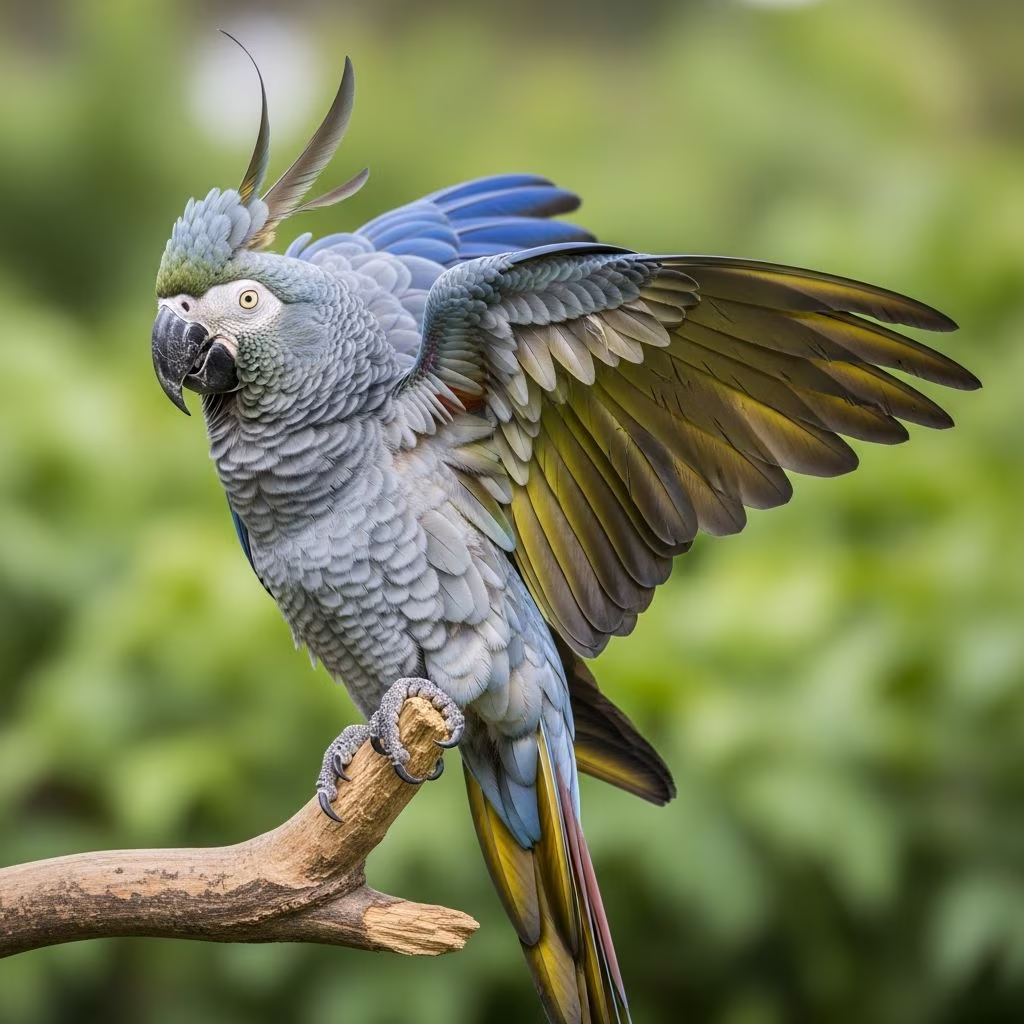
Parrots communicate volumes through their physical expressions, offering insights into their mood, health, and intentions. Mastering these nonverbal cues fosters trust and prevents misunderstandings in your relationship with your avian companion.
Why Parrot Signals Matter for Owners
Observing a parrot’s posture, feathers, eyes, and movements reveals whether they feel safe, excited, or threatened. These signals evolved for survival in the wild but remain vital in captivity. Ignoring them can lead to stress or bites, while responding appropriately strengthens bonds. For instance, a bird leaning away signals discomfort, urging you to pause interactions.
Regular monitoring also flags health issues early, like illness indicated by fluffed feathers or slumped posture. Pet owners who decode these signs report happier, more interactive birds.
Positive Indicators of Comfort and Joy
Happy parrots display relaxed, engaging behaviors that invite interaction. Recognizing these builds positive routines.
- Feather Fluffing and Shaking: A quick fluff and shake greets loved ones, signaling pleasure and comfort.
- Wing and Leg Stretches: Extending one wing and leg on the same side shows well-being, often as a morning ritual.
- Tail Wagging: Side-to-side motion reflects excitement or playfulness, similar to canine happiness.
- Shoulder Raises: Slight lifts followed by drops indicate greeting and relaxation.
- Beak Grinding: Soft grinding noises during rest mean contentment, like a purring cat.
These actions often pair with vocalizations like singing or whistling, confirming a content state.
Signs of Excitement and Playfulness
Parrots express energy through dynamic movements, distinguishing fun from potential aggression via context.
- Eye Pinning: Rapid pupil dilation and contraction shows interest in toys or food; calm context means positive curiosity.
- Wing Flapping: Vigorous flaps release energy or seek attention, common in active birds.
- Head Bobbing: Rhythmic bobs with belly leaning signal happy excitement, though raised feathers may hint at agitation.
- Tail Flipping: Up-and-down flips occur with treats or play, denoting joy.
| Behavior | Positive Context | Aggressive Context |
|---|---|---|
| Eye Pinning | With relaxed feathers, toy focus | With ruffled feathers, hissing |
| Head Bobbing | Playful lean, blinking | Low crouch, raised crest |
| Wing Flaps | Standing tall, vocalizing happily | Combined with beak clacks |
Relaxation and Resting Postures
Restful behaviors indicate security, essential for health.
- One-Leg Standing: Tucking one leg conserves heat and shows ease, often with loose feathers.
- Body Loosening: Feathers slightly raised with air trapped signal relaxation, unlike slicked fear postures.
- Preening: Self-grooming reflects comfort and cleanliness maintenance.
- Lower Beak Hiding: Covering the beak partially denotes shyness turning to calm.
Cockatoos may fluff cheek feathers when content. Upright perching with attention means all is well.
Warning Signs and Defensive Behaviors
Respect these to avoid conflict; they protect the bird’s space.
- Leaning or Backing Away: Clear avoidance cue—stop approaching immediately.
- Slicked Feathers: Tight body feathers prepare for flight, indicating fear or anger.
- Fanned Tail: Often a dominance or threat display.
- Raised Crest (Cockatoos): Signals excitement that could turn aggressive.
- Crouching: Low body with flared feathers warns of attack readiness.
Eye pinning with rigid posture amplifies threats.
Recognizing Mating and Affectionate Displays
Hormonal behaviors mimic bonding but need management.
- Wing Quivering: Held-out trembling wings with head bobbing invite courtship.
- Regurgitation: Offering food shows deep affection or mating intent.
- Tail Wagging (Flirty): Suggestive side wags from females during crouching.
- Blushing: Facial flushing accompanies romantic displays.
These can target owners; redirect with toys to prevent issues.
Health Red Flags in Body Language
Persistent odd postures demand vet attention.
- Excessive Fluffing: Chest puffs may mean cold or illness.
- Tail Bobbing at Rest: With labored breathing, suggests respiratory problems.
- Slumped Posture: Fluffed at cage bottom, no eye contact, poor appetite signals sickness.
- Drooping Wings: Weakness indicator.
- No Vocalizing: Silent, disinterested birds need checks.
Monitor daily; early intervention saves lives.
Species-Specific Variations
While universal, nuances exist.
- Cockatoos: Crest position (up for alert, down for calm); forward facial feathers for relaxation.
- Conures: Belly hunching with bobs for excitement or bite prep.
- Cockatiels: Head bowing for pets vs. bites with side tilts.
Observe your bird’s baseline for personalized reading.
Practical Tips to Respond Effectively
1. Approach slowly, watch for avoidance.
2. Offer treats during positive cues.
3. Provide space for defensive signs.
4. Enrich environment to channel energy.
5. Consult avian vets for health cues.
Frequently Asked Questions
What does eye pinning mean in parrots?
It signals excitement or alertness; context determines if positive or defensive.
Is tail wagging always happy?
Usually, but fanning can show dominance.
How to tell if my parrot is sick?
Look for fluffed feathers, slumped posture, no appetite.
Why does my bird stand on one leg?
Relaxation or sleep posture to conserve heat.
What if my parrot raises its crest?
Excitation; monitor for aggression in cockatoos.
References
- Reading Parrot Body Language: An Essential Skill — Pamela Clark. 2018-04-24. https://pamelaclarkonline.com/2018/04/24/reading-parrot-body-language-an-essential-skill/
- How to Decode Your Bird’s Body Language — myRightBird. N/A. https://myrightbird.com/articles/how-to-decode-your-birds-body-language
- Universal Parrot Body Language — BirdTricks. N/A. https://birdtricksstore.com/blogs/birdtricks-blog/universal-parrot-body-language
- Understanding your parrot’s body language — Exotic Direct. N/A. https://exoticdirect.co.uk/news/parrot-body-language/
- Understand Your Bird’s Body Language — Parrot Fun Zone. N/A. https://www.parrotfunzone.com/learn-about-parrots/parrot-behavior/understand-your-bird-s-body-language



