

What Defines Natural Dog Food
The term “natural” in pet food marketing often creates confusion among dog owners seeking the best nutrition for their companions. Unlike regulated claims such as “organic” or “grain-free,” the definition of “natural” varies significantly across different regions and regulatory bodies. Generally speaking, natural dog food refers to products formulated primarily from ingredients derived from plant, animal, or mineral sources without synthetic chemical processing. This distinction matters because it influences the quality and processing methods used in the final product.
According to nutritional guidelines, natural ingredients must not undergo chemically synthetic modification, though certain vitamin and mineral supplements may be added to ensure complete nutrition. The key principle underlying natural dog food is minimizing the use of artificial additives, chemical preservatives, and heavily processed components that provide little nutritional value. Understanding this definition helps pet owners distinguish between genuinely natural formulations and products labeled as such purely for marketing purposes.
Essential Nutritional Building Blocks
Every dog requires a balanced diet containing specific macronutrients and micronutrients to maintain optimal health. These nutritional foundations should form the basis of any quality dog food selection, whether natural or conventional.
Protein: The Foundation of Canine Nutrition
Protein serves as the most critical macronutrient for dogs, supporting muscle development, tissue repair, enzyme production, and immune system function. Dogs require amino acids derived from high-quality protein sources to build and maintain lean muscle mass, produce new skin cells, and support hair growth. When evaluating dog food labels, the protein source should appear prominently, with specific meat identification rather than vague descriptions.
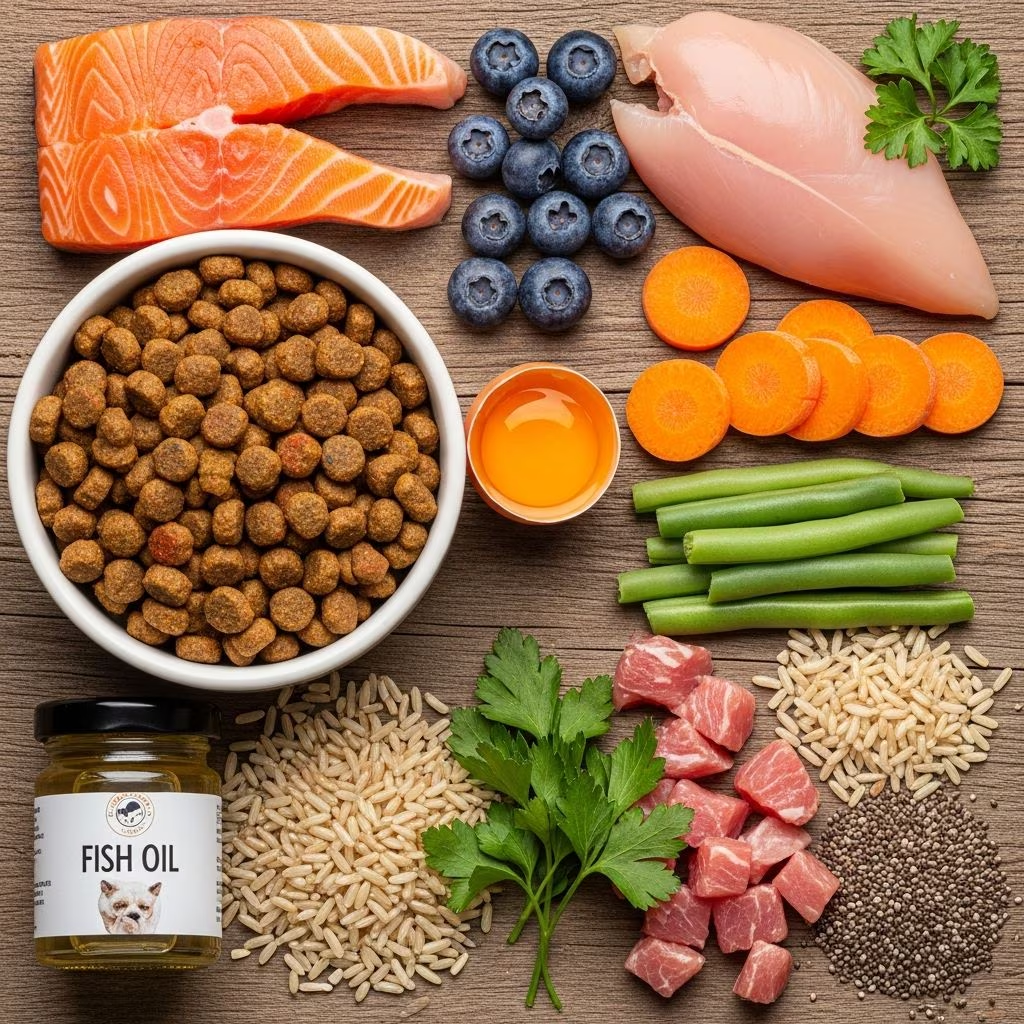
Quality protein sources include whole muscle meats such as chicken, beef, and lamb, as well as fish varieties like salmon and whitefish. Organ meats represent another valuable protein source, containing concentrated levels of essential vitamins and minerals that support overall health and vitality. The distinction between whole meat and meat meal is important: while both provide protein, whole meat contains higher moisture content and retains natural amino acids and fat profiles through gentler processing methods.
Carbohydrates and Fiber Components
Carbohydrates provide sustained energy for daily activities and support digestive function through dietary fiber. Whole grain sources including brown rice, oatmeal, barley, and oats deliver complex carbohydrates alongside essential minerals and vitamins. These ingredients offer multiple benefits beyond simple energy provision, including support for healthy digestion and nutrient absorption.
Beyond traditional grains, alternative carbohydrate sources provide fiber and nutritional value for dogs with grain sensitivities. Sweet potatoes, for example, offer a nutrient-dense alternative rich in beta-carotene and fiber. Fiber-rich ingredients such as beet pulp, chicory root, and inulin support gastrointestinal health and help maintain normal bowel function. These components promote healthy colon function and contribute to overall digestive wellness.
Healthy Fats and Essential Fatty Acids
Omega-3 and Omega-6 fatty acids play crucial roles in maintaining skin health, coat quality, joint function, and reducing inflammation. These essential fatty acids support cell membrane function, nerve transmission, and overall systemic health. Natural fat sources derived from animal tissues and plant oils provide both energy and these vital compounds.
Quality fat sources in natural dog food include fish oil, flaxseed, chicken fat, and beef fat. These ingredients deliver essential fatty acids in forms that dogs can readily digest and utilize. The presence of adequate fat in dog food enhances palatability while supporting skin and coat quality, joint mobility, and immune function.
Identifying Quality Ingredients in Natural Formulations
Reading dog food labels effectively requires understanding ingredient hierarchies and recognizing quality markers. Labels list ingredients by weight, meaning the first components represent the largest proportion of the final product.
The First Three Ingredients Matter Most
The initial ingredients on a dog food label provide insight into the overall quality and nutritional profile. The first ingredient should consistently be a specific, named meat source such as chicken, beef, lamb, or salmon rather than ambiguous terms like “meat” or “animal derivatives.” This specificity indicates transparency and typically signals higher ingredient quality.
The second ingredient frequently consists of a whole grain or vegetable providing carbohydrates and fiber, such as brown rice or sweet potato. The third ingredient may represent another protein source or a beneficial fat component like fish oil. Together, these three elements establish the nutritional foundation of the food and typically comprise the largest portion of the formula.
Red Flags to Avoid
Certain ingredient descriptions suggest lower quality or less transparent sourcing practices. Vague terminology such as “meat by-products,” “animal derivatives,” or “meat and bone meal” fails to specify the actual protein source or quality level. These ambiguous ingredients may derive from lower-grade animal tissues or processing byproducts that offer minimal nutritional benefit.
Artificial preservatives including BHA, BHT, and ethoxyquin represent another concern for those prioritizing natural formulations. These synthetic compounds extend shelf life but provide no nutritional value and may pose health concerns. Similarly, artificial colorants and synthetic flavoring agents lack any nutritional purpose and contradict the philosophy underlying natural dog food.
Beneficial Additions in Natural Dog Foods
Vitamins and Mineral Supplementation
While natural dog food emphasizes whole ingredient sourcing, complete nutrition requires adequate vitamin and mineral content. Natural preservatives such as vitamin E (mixed tocopherols) and ascorbic acid (vitamin C) maintain freshness while providing antioxidant benefits. These natural compounds protect food quality and contribute to your dog’s nutritional intake.
Essential minerals including calcium, phosphorus, and trace minerals support bone health, immune function, and metabolic processes. Natural dog foods should provide balanced mineral ratios appropriate for different life stages. Vitamins A, D, and E support vision, bone development, and cellular health respectively.
Digestive Support Ingredients
Probiotics such as Lactobacillus acidophilus and Enterococcus faecium promote beneficial gut bacteria colonization, supporting digestive health and nutrient absorption. These beneficial microorganisms help maintain proper intestinal function and may reduce digestive upset. Prebiotic ingredients including inulin and fructooligosaccharides provide fuel for beneficial bacteria, creating an optimal digestive environment.
The combination of probiotics and prebiotics in natural dog food creates synergistic digestive support, helping your dog maintain consistent energy, proper stool quality, and optimal nutrient utilization.
Natural Antioxidant Sources
Fruits and vegetables contribute antioxidants, vitamins, and phytonutrients that support immune function and cellular health. Carrots provide beta-carotene and fiber, while blueberries deliver anthocyanins with anti-inflammatory properties. Sweet potatoes offer both carbohydrates and antioxidants in a single ingredient.
These plant-based components enhance the nutritional profile of natural dog food beyond simple macro and micronutrient provision, offering bioactive compounds that support overall wellness.
Matching Natural Dog Food to Your Dog’s Needs
Life Stage Considerations
Dogs at different life stages require varying nutritional profiles. Puppies need higher protein and calorie content to support growth, while senior dogs benefit from formulations supporting joint health and cognitive function. Natural dog food options should specifically address your dog’s age and developmental stage.
Dogs with specific health conditions or dietary sensitivities may benefit from natural formulations that eliminate artificial additives and processed ingredients often associated with allergic reactions. Consulting with a veterinarian before transitioning to a new food ensures the selected formula meets your individual dog’s requirements.
Activity Level and Metabolism
Highly active dogs require higher calorie and fat content to fuel their activities and maintain lean muscle mass. Working dogs and those engaged in regular exercise benefit from natural formulations providing concentrated nutrition and sustained energy. Conversely, less active dogs may thrive on lower-calorie formulations preventing weight gain.
Understanding Natural Ingredient Diversity
Plant-Based Protein and Carbohydrate Sources
While animal-based proteins dominate natural dog food formulations, plant proteins provide valuable supplementary nutrition. Rice, wheat, barley, corn, and oats contribute essential amino acids, dietary fiber, minerals, and vitamins. Plant proteins are highly digestible and provide energy equivalent to animal sources, making them valuable components in balanced formulations. The combination of animal and plant proteins ensures complete amino acid profiles and supports diverse nutritional needs.
Regional and Specialty Natural Ingredients
Natural dog food formulations may incorporate regional ingredients and specialty components based on availability and specific nutritional goals. These variations allow customization based on individual dog preferences and dietary requirements while maintaining natural sourcing principles.
The Natural Dog Food Selection Process
Label Reading Fundamentals
The guaranteed analysis section on dog food packaging provides percentage information for crude protein, crude fat, crude fiber, and moisture content, alongside specific vitamin and mineral amounts. Understanding these values helps compare different natural formulations and ensure adequate nutrition. Higher protein percentages suit active dogs, while appropriate fat levels support coat and skin health without excess calories.
Transition and Introduction Guidelines
Introducing natural dog food should occur gradually, mixing increasing proportions of the new food with the previous diet over 7-10 days. This gradual transition minimizes digestive upset and allows your dog’s system to adjust to different ingredients. Monitoring your dog’s response during the transition period helps identify any sensitivities or preferences.
Common Questions About Natural Dog Food
Frequently Asked Questions
Q: Is natural dog food more expensive than conventional options?
A: Natural dog foods typically command premium pricing due to higher ingredient costs and more careful sourcing practices. However, the nutritional density may result in smaller feeding portions and potentially reduced veterinary expenses related to diet-responsive health issues.
Q: Can natural dog food prevent allergies?
A: While natural formulations eliminate artificial additives often associated with sensitivities, food allergies typically result from protein sources rather than processing methods. Identifying specific ingredient triggers through elimination diets or veterinary testing proves more effective than simply switching to natural formulations.
Q: How do I know if my dog is thriving on natural dog food?
A: Indicators of proper nutrition include consistent energy levels, healthy coat and skin condition, appropriate weight maintenance, regular digestive function, and normal activity levels. Regular veterinary check-ups ensure your dog’s nutritional status supports optimal health.
Q: Does natural dog food require refrigeration?
A: Most natural dry dog foods remain shelf-stable due to natural preservatives, though storage in cool, dry environments extends freshness. Raw or freeze-dried natural formulations require refrigeration or freezing.
Q: What makes a dog food “human-grade”?
A: Human-grade dog foods use ingredients suitable for human consumption and processed in facilities meeting human food safety standards. This represents the highest quality level within natural dog food categories.
Making Informed Natural Dog Food Choices
Selecting natural dog food involves balancing ingredient quality, nutritional completeness, individual dog needs, and practical considerations. Understanding ingredient functions, recognizing quality markers, and consulting with veterinary professionals ensures your dog receives optimal nutrition supporting long-term health and vitality. Natural dog food represents one approach to canine nutrition emphasizing whole ingredients and minimized processing, offering potential benefits for dogs with sensitivities or those whose owners prioritize ingredient transparency and sourcing practices.
References
- The Facts About Natural Dog Food — American Kennel Club. 2024. https://www.akc.org/expert-advice/nutrition/facts-about-natural-dog-food/
- A Guide to Dog Food Ingredients and Reading Dog Food Labels — PetMD. 2024. https://www.petmd.com/dog/nutrition/pet-food-ingredient-and-label-guide
- Pet food ingredients explained — Royal Canin US. 2024. https://www.royalcanin.com/us/about-us/our-nutritional-approach/pet-food-ingredients-explained
- Every Pet Food Ingredient Has a Function — Pet Food Institute. 2024. https://www.petfoodinstitute.org/every-pet-food-ingredient-has-a-function/
- Natural pet food: A review of natural diets and their impact on canine health — Journal of Animal Science, Oxford University Press. 2014. https://academic.oup.com/jas/article/92/9/3781/4702209



