

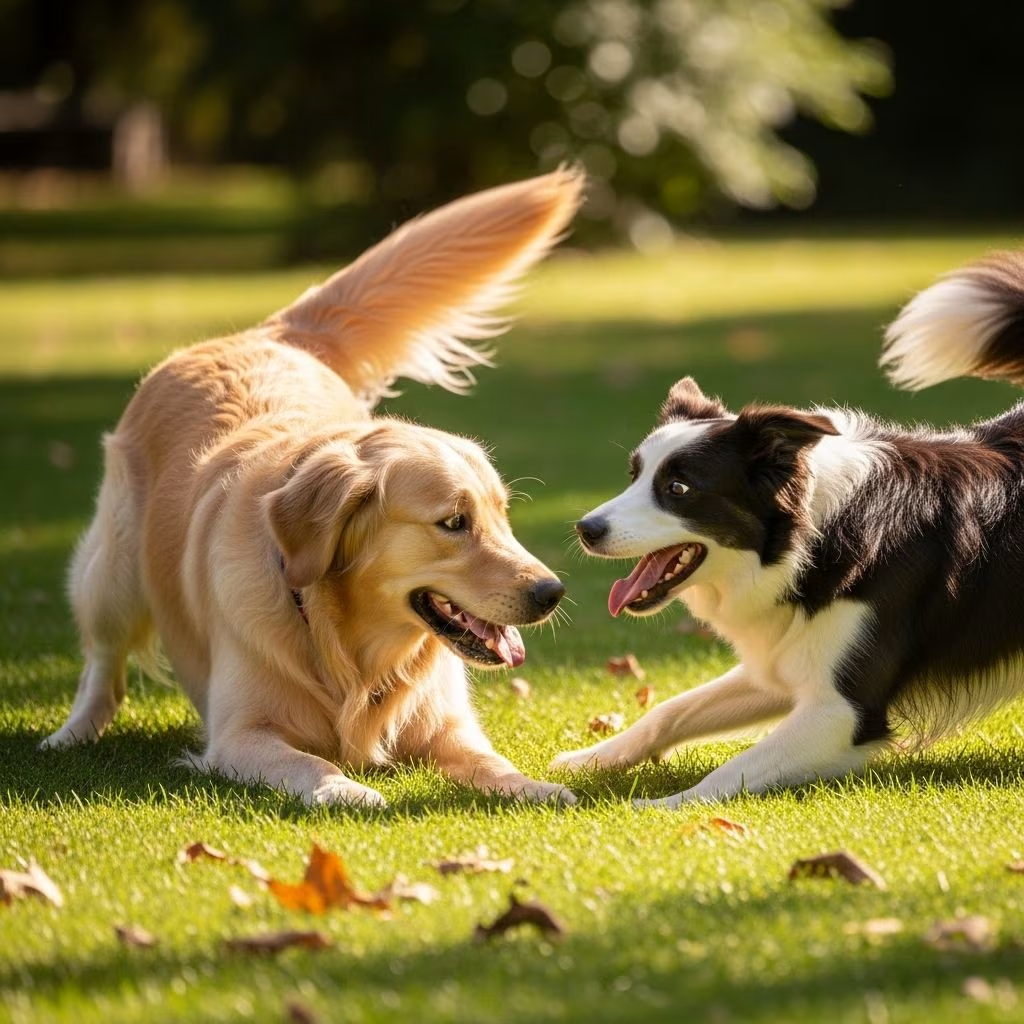
Appropriate play is essential for dogs’ physical fitness, mental sharpness, and social harmony. It builds skills for life while preventing misunderstandings that could lead to conflicts.
The Foundations of Canine Play
Dogs engage in play to mimic survival activities in a safe context. This behavior hones motor abilities, social cues, and stress responses, preparing them for real-world challenges.
From puppyhood, play involves chasing, wrestling, and object manipulation, teaching bite control and body awareness. These activities release endorphins, lowering anxiety and enhancing mood.
Key Benefits for Development
- Physical Growth: Play improves agility, strength, and coordination through dynamic movements like running and jumping.
- Mental Stimulation: Puzzle games and scent work sharpen cognition, combating boredom and supporting senior dogs’ brain health.
- Emotional Balance: It regulates excitement, teaching dogs to wind down after high energy.
- Social Learning: Interactions reveal boundaries, communication signals, and confidence building.
Structured play redirects destructive tendencies, such as chewing or hyperactivity, into positive outlets. Games like fetch instill impulse control via wait-and-release sequences.
Recognizing Play Signals
Dogs use specific body language to indicate fun rather than threat. The play bow—front low, rear high—invites engagement and signals non-serious intent.
Other signs include relaxed faces, bouncy movements, role reversals, and brief pauses. Repetitive actions like chasing loops differentiate play from fights.
| Play Signal | Description | Meaning |
|---|---|---|
| Play Bow | Chest down, butt up, tail wagging | Invitation to play |
| Loose Body | Bouncy, wiggly posture | Relaxed fun |
| Self-Handicapping | Letting opponent ‘win’ | Fair play practice |
| Pauses/Yawns | Breaks in action | Resetting arousal |
Monitor for escalation: stiffening, intense staring, or pinned ears suggest discomfort.
Dog-to-Dog Interactions
Peer play teaches bite inhibition and timing. Puppies learn through feedback—if too rough, playmates yelp and withdraw.
Arousal rises during sessions, sharpening focus and quick responses. Owners should intervene if one dog disengages or stress signs appear.
Match playmates by size, energy, and temperament. Supervised dog park visits aid socialization but require vigilance.
Human-Dog Play Dynamics
Owners provide vital outlets when dog friends aren’t available. Tug satisfies chewing urges; fetch builds recall.
Avoid roughhousing that encourages jumping or nipping. Use toys to channel mouthing, reinforcing ‘drop it’ commands.
Play with rules prevents confusion—stop on cue to teach boundaries. This translates to calmer everyday obedience.
Age-Specific Play Guidelines
Puppies (Under 6 Months)
Focus on short, gentle sessions. Prioritize socialization with vaccinated peers to build resilience.
Adults
Incorporate variety: obedience games, agility drills. Balance solo and group play for comprehensive exercise.
Seniors
Opt for low-impact activities like nose work or slow walks with toys. These maintain mobility without strain.
Common Pitfalls and Fixes
Overarousal: High energy blurs play and prey drives, risking bites. Enforce breaks.
Resource Guarding: Watch for toy obsession. Practice trades with high-value treats.
Mismatched Partners: Bullies overwhelm shy dogs. Separate and pair appropriately.
- Signs of trouble: Growling without bow, chasing without reciprocity, lip curling.
- Solution: Time-outs in a quiet space, then resume calmer activities.
Building a Play Routine
Schedule 15-30 minutes daily, mixing types. Track progress: reduced barking, better focus indicate success.
Incorporate training: Hide treats for scent work or use flirt poles for controlled chase.
FAQs
Is all rough play bad?
No, controlled roughness builds skills if signals remain playful. Monitor intensity.
How much play is enough?
Varies by breed/energy. Aim for tiredness without exhaustion—watch for settling post-play.
What if my dog plays too aggressively?
Consult a trainer. Redirect to solo toys and gradual peer intros.
Can play fix separation anxiety?
It helps by tiring dogs and building confidence, paired with desensitization.
Should I let puppies play with adults?
Yes, supervised. Adults model appropriate behavior.
Tools for Enhanced Play
- Durable tug ropes for strength training.
- Puzzle feeders for brain teasers.
- Flirt poles for safe chase simulation.
- Long leads for controlled fetch.
These promote engagement without frustration.
References
- The Role of Play in Dog Development and Behavior — Dog Owners Academy. 2023. https://www.dogownersacademy.com/the-role-of-play-in-dog-development-and-behavior/
- Why Do Dogs Play? — Companion Animal Psychology. 2017-11-01. https://www.companionanimalpsychology.com/2017/11/why-do-dogs-play.html
- The Science, Culture, and Tools of Play — Canine Principles. 2024. https://www.canineprinciples.com/blog/canine-play-play-tools-motivation
- Understanding Normal Dog Play Behavior — Houndsy. 2024. https://www.houndsy.com/blogs/modern-tails/understanding-normal-dog-play-behavior-what-to-know-for-a-happy-pup
- When Dog Play and Prey Drives Blur — Aggressive Dog. 2024-11-30. https://aggressivedog.com/2024/11/30/when-dog-play-and-prey-drives-blur/
- Dog Play Behavior: Are they fighting or playing? — Inquisitive Canine. 2024. https://inquisitivecanine.com/dog-play-behavior-are-they-fighting-or-playing/
- Understanding Dog Play — Positively.com. 2024. https://positively.com/dog-training/article/foundations-understanding-dog-play



