

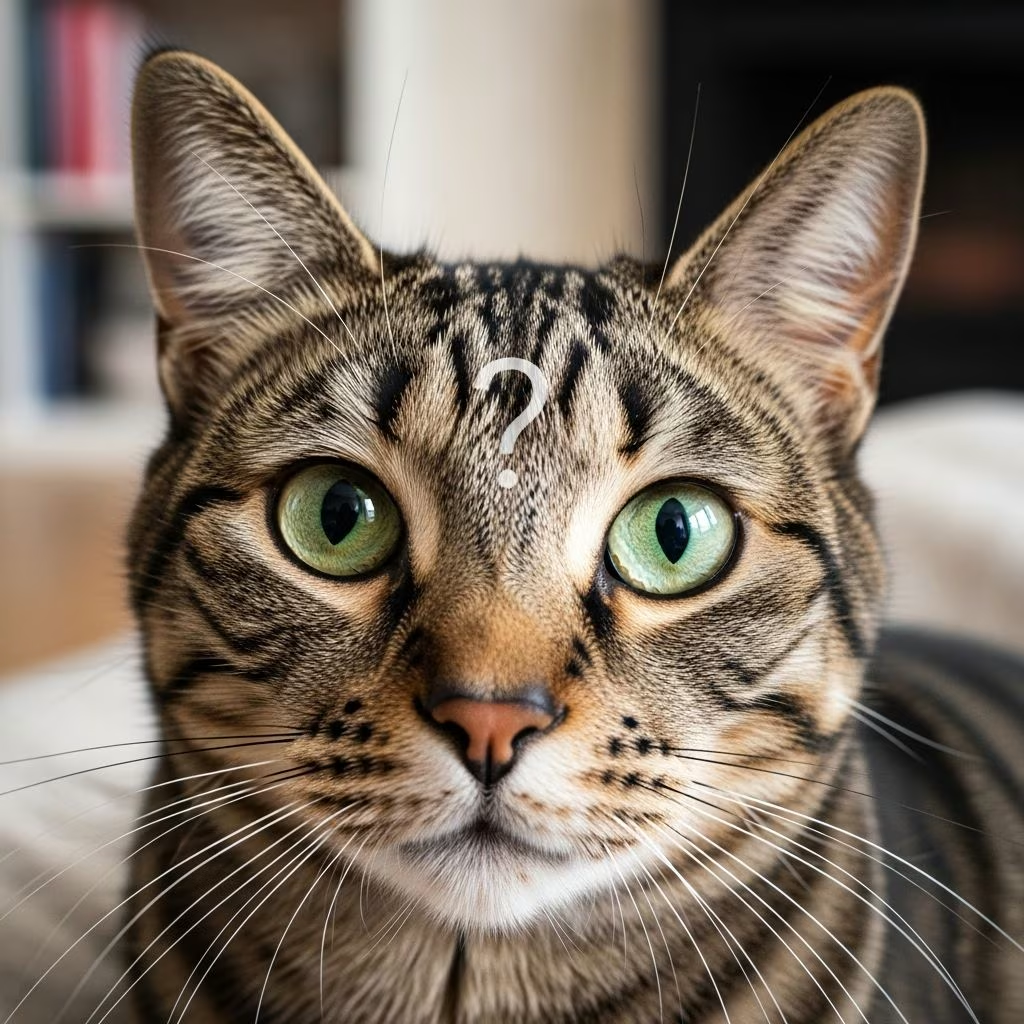
Cats captivate us with their enigmatic actions, from rhythmic paw presses to sudden bursts of chatter. These behaviors, rooted in evolutionary instincts and individual personalities, reveal much about their inner world. Understanding them fosters deeper connections and addresses potential health concerns.
The Instinctive Massage: Why Cats Knead
Kneading, where cats rhythmically push their paws into soft surfaces like blankets or laps, mimics nursing motions from kittenhood. This action stimulates milk flow in mothers, providing comfort and security. Adult cats retain this habit to express contentment, mark territory with scent glands in their paws, or prepare a cozy sleeping spot.
Observe your cat during kneading sessions; relaxed eyes and purring indicate pure bliss. However, excessive kneading with drooling might signal overstimulation or dental issues—consult a vet if persistent.
Hunting Echoes: The Chattering Phenomenon
When a cat fixates on birds outside a window, rapid jaw movements and staccato sounds emerge, known as chattering. Experts attribute this to frustration from unreachable prey, blending excitement with predatory muscle priming.
This vocalization reflects a ‘transmission issue’ from pampered pet to hunter mode, enhancing depth perception for pounces. It’s harmless and normal, though indoor enrichment like feather toys can satisfy the urge.
Scent Signals: Rubbing and Bunting Rituals
Cats rub heads or bodies against legs, furniture, or owners, releasing pheromones via facial glands—a process called bunting. This marks territory and signals affection, claiming you as part of their domain.
- Leg rubs often coincide with mealtimes, combining scent-marking with food requests.
- Head bunting shows trust, as vulnerable glands contact familiar scents.
- Frequent rubbing on new objects integrates them into the cat’s safe zone.
Respond positively to reinforce bonds, but monitor for over-marking, which could indicate stress.
Box Fascination: Seeking Secure Enclaves
Cats defy logic by squeezing into tiny boxes or bags, prioritizing confinement over comfort. This stems from wild ancestors hiding in dens to evade predators, offering safety and warmth.
Even large cats contort into small spaces; the enclosure creates a secure micro-environment, reducing stress hormones. Provide varied boxes to encourage this beneficial behavior, aiding anxiety relief.
| Box Size | Cat Appeal | Benefits |
|---|---|---|
| Small (just fits) | High security feel | Stress reduction |
| Medium | Play and hide | Exercise boost |
| Large/open | Less preferred | Still used for lounging |
Paw Play: Knocking Items Off Surfaces
The classic table-smack—cats batting objects to the floor—stems from curiosity and hunting simulations. Sensitive paw pads test stability, mimicking prey pursuit as items move.
This demands attention or relieves boredom; kittens explore voraciously, adults less so unless understimulated. Secure valuables and offer interactive toys to redirect energy.
Gift-Giving: Dead Prey Presents
Indoor cats depositing mice or bugs at doorsteps mimic teaching hunts to kittens. Unable to consume all kills, mothers share with young; pet cats view owners as inept hunters needing lessons.
Praise gently to acknowledge, then dispose hygienically. Outdoor access heightens this; bells on collars reduce catches.
Unusual Cravings: Pica and Non-Food Chewing
Pica involves ingesting wool, plastics, or plants, linked to deficiencies, genetics, stress, or illness like anemia. Boredom exacerbates it; enrich environments with safe chew alternatives.
Vet checks rule out hyperthyroidism or nutritional gaps first.
Tail Displays: The Rear-End Greeting
A raised tail with exposed rear signals trust, akin to friendly greetings among cats. Pheremones at the base convey identity; humans receive this honor.
Avoid scolding; it’s a compliment, not rudeness.
Litter Quirks: Inappropriate Elimination
Box avoidance signals pain, stress, or litter dislikes—not spite. Causes include UTIs, arthritis, or household changes. Clean daily, offer multiple boxes, and seek veterinary urinalysis.
Keyboard Conquest: Tech Takeovers
Cats sprawl on laptops for warmth, scent familiarity, and attention-seeking, bonding by mimicking human activity. Elevated pads provide ideal heat; use lap desks to compromise.
Vocal Variations: From Purrs to Yowls
Purring denotes contentment but also self-soothing during pain. Meows target humans; hisses warn of fear. Excessive yowling flags heat cycles, anxiety, or cognitive decline in seniors.
Eye Language: Pupil Power
Dilated pupils adapt to low light or signal arousal—playful or aggressive. Narrow slits indicate relaxation or focus.
Grass Grazing: Natural Purgative
Indoor cats eat grass to induce vomiting, expelling hairballs or irritants—a digestive aid.
FAQs
Why does my cat chatter at windows?
It’s excitement and frustration from spotting prey they can’t chase.
Is kneading a sign of happiness?
Yes, linked to nursing comfort and security.
What if my cat eats weird things?
Check for pica; vet evaluation needed.
Why boxes over beds?
Instinctual safety in enclosed spaces.
How to stop knocking stuff over?
Provide toys and secure items.
Enhancing Your Cat’s World
Channel quirks with puzzles, vertical spaces, and routines. Regular vet visits catch issues early. These insights transform ‘weirdness’ into windows of feline psychology.
References
- 15 Strange Cat Behaviors Explained — The Drake Center. N/A. https://www.thedrakecenter.com/services/cats/blog/15-strange-cat-behaviors-explained
- Weird Cat Behaviors Explained — Hill’s Pet Nutrition. N/A. https://www.hillspet.com/cat-care/behavior-appearance/weird-things-cats-do
- Odd Cat Behaviors Explained — Coit Hedgcoxe Animal Hospital. 2023-10-01. https://www.planotxvets.com/2023/10/01/odd-cat-behaviors-explained/
- The OddBall: 7 Odd Cat Behaviors Explained — Palmer Vet Clinic. 2021-03-07. https://palmervetclinic.com/2021/03/07/the-oddball-7-odd-cat-behaviors-explained/
- 6 Common Cat Behaviors Explained — UC Davis. N/A. https://www.ucdavis.edu/magazine/6-common-cat-behaviors-explained
- Decoding Common Cat Behavior — MedVet. N/A. https://www.medvet.com/cat-behaviors/
- Strange Cat Behaviors Explained (Compilation) — YouTube (Cat Body Language). N/A. https://www.youtube.com/watch?v=OdxjQsYRQwk



