

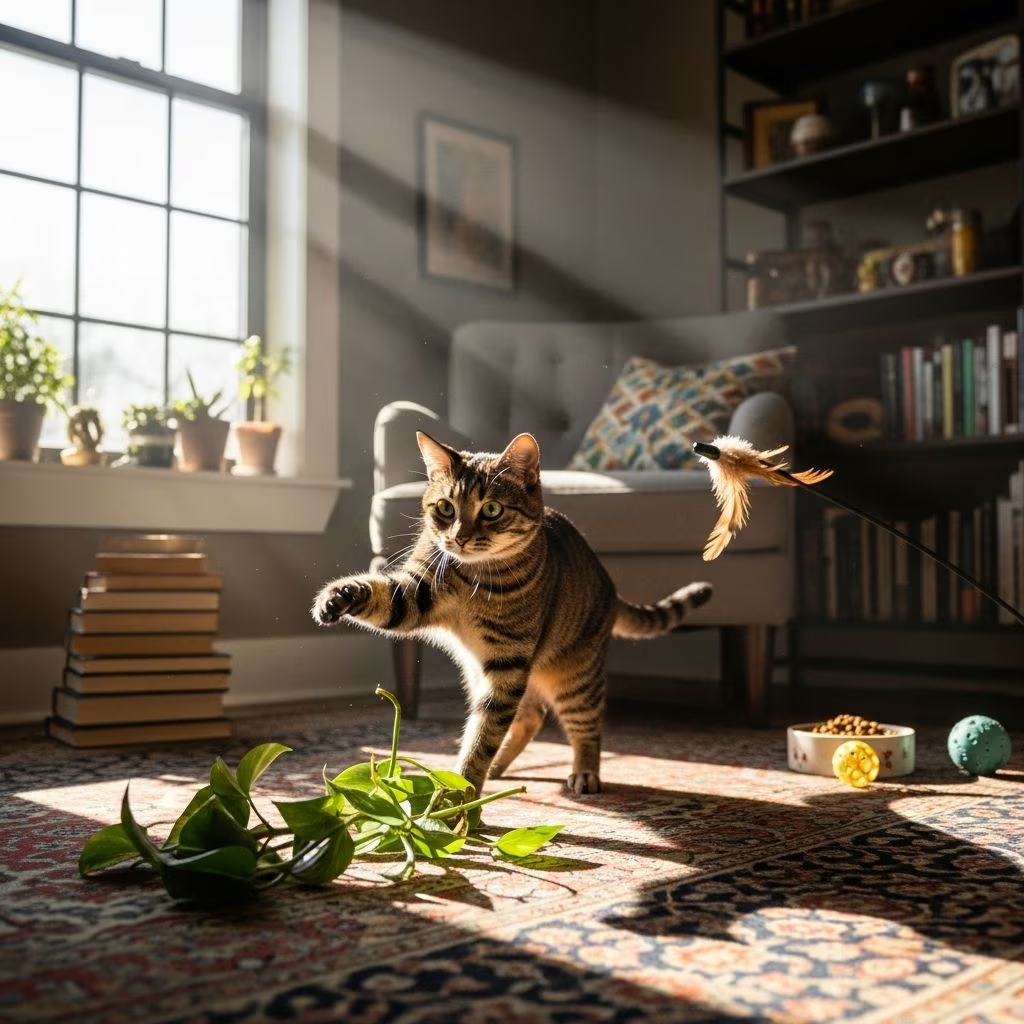
Cats have long captivated humans with their mysterious and often perplexing behaviors. Whether your feline companion is chattering at birds, kneading your lap, or perching on your laptop keyboard, these actions can seem bizarre to the untrained eye. However, each peculiar behavior carries meaning rooted in feline instinct, communication, and emotional expression. Understanding why your cat acts in seemingly strange ways not only demystifies their personality but also deepens your connection with them. This guide explores the most common unusual cat behaviors and reveals the fascinating reasons behind them.
The Mystery of Chattering and Chirping
One of the most distinctive and puzzling sounds cats make is chattering—that rapid, teeth-clicking noise often directed at birds or small prey visible through windows. This behavior has puzzled cat owners for generations, sparking various theories about its purpose. Animal behaviorists suggest this vocalization stems from a combination of frustration and predatory excitement. When a cat spots potential prey they cannot physically reach, the chattering may represent their natural hunting instinct triggered by the sight of movement.
The exact mechanism behind this behavior remains somewhat mysterious, but researchers believe it serves multiple functions. Some suggest the rapid jaw movements prepare your cat’s muscles for the precise killing techniques they would use on actual prey. Others propose it reflects a mix of enthusiasm and thwarted hunting desire—essentially your cat’s way of expressing “I want that but I can’t have it.” Regardless of the specific reason, this behavior is entirely normal and healthy, indicating an active predatory instinct rather than any sign of distress or behavioral problems.
Similarly, cats produce soft chirping and trilling sounds that differ from typical meowing. These vocalizations often accompany excitement during hunting play or when they spot wildlife they find enticing. Short, pleasant meows typically represent friendly greetings or requests for food or attention, whereas prolonged, demanding meows usually signal insistence or complaint.
Physical Affection and Territory Marking Through Rubbing
When your cat rubs their head, face, or entire body against your legs, furniture, or other objects, they are engaging in behavior called “bunting.” This action involves more than simple affection—it is a sophisticated form of communication and territorial claim. Cats possess scent glands located on their head, cheeks, and body. By rubbing these areas against people and objects, they deposit pheromones that mark their territory and indicate ownership.
From your cat’s perspective, bunting against you is the ultimate compliment. It signifies that you are part of their family unit and belong in their territory. Just as cats would rub against furniture in your home to establish their domain, they use the same behavior with their human companions. This scent-marking serves both practical and emotional purposes—it helps cats navigate their environment using familiar scent markers while simultaneously demonstrating affection and trust.
Head bunts and rubbing behaviors intensify during moments of relaxation and bonding. If your cat frequently engages in this behavior around you, it indicates they feel secure, comfortable, and have accepted you as a valued member of their social group. Encouraging this behavior by gently petting your cat during these interactions reinforces your bond and shows reciprocal acceptance.
The Kneading Ritual: More Than Just Comfort
Few cat behaviors are as endearing as kneading—that rhythmic pushing motion with alternating front paws that many cats perform on soft surfaces, blankets, or their human companions. This behavior originates from kittenhood, when nursing kittens knead their mother’s belly to stimulate milk flow. Adult cats retain this behavior as a self-soothing mechanism and expression of contentment.
When your cat kneads you, they are engaging in multiple communications simultaneously. The primary message is affection and comfort—kneading indicates your cat feels safe and content in your presence. The behavior also serves as scent-marking, as cats have scent glands in their paw pads. By kneading your lap or chest, your cat claims you as part of their territory while simultaneously creating a comfortable “nest” where they can relax.
Interestingly, cats often knead during times of anxiety or stress as a self-calming technique. Similar to how human children might thumb-suck or clutch a security blanket, cats employ kneading to regulate their emotions and find comfort during uncertain moments. If you notice your cat kneading more frequently during stressful situations—such as a visit to the veterinarian’s office or changes in your home—they are likely using this inherited behavior to manage their anxiety.
Tail Language: Reading Your Cat’s Emotional State
A cat’s tail is perhaps their most expressive feature, communicating emotions that might otherwise remain hidden. Tail twitching, particularly at the tip, often indicates excitement or intense focus. When your cat is stalking a toy mouse or concentrating on an insect, you will likely notice their tail exhibiting small, rapid movements. This twitching reflects heightened awareness and preparation for pouncing or attacking their perceived prey.
The intensity and location of tail movement provides valuable information about your cat’s emotional state. A gently curved tail with a soft twitch suggests contentment and mild interest. A tail that swishes strongly from side to side indicates agitation, anger, or frustration. A tail held high and straight up signals confidence and friendliness, while a tail tucked between the legs demonstrates fear or submission.
Understanding tail language helps you recognize when your cat wants interaction versus when they prefer solitude. If your cat’s tail is thrashing rapidly or swishing intensely, they are likely irritated and may not appreciate petting or handling. Conversely, a gently curved tail with slow, rhythmic movements indicates your cat is relaxed and receptive to affection.
Strategic Positioning: Why Cats Choose Your Laptop
If you work from home or spend extended time on computers, you have likely experienced the frustration of having your cat curl up directly on your keyboard, papers, or book. This behavior seems deliberately designed to interrupt your focus, but your cat has multiple logical reasons for this positioning.
First, electronic devices generate heat, and cats are naturally drawn to warm surfaces. Your laptop keyboard and monitor produce enough warmth to make them attractive napping spots. Second, and more importantly, your cat is engaging in social bonding behavior by positioning themselves directly on objects demanding your attention. From your cat’s perspective, if you are focused on something, that object must be important. By lying on it, your cat ensures they receive your attention and can be close to you during your activities.
Additionally, cats lying on your possessions are simultaneously drawn to items carrying your scent and depositing their own scent in return. Through this behavior, your cat reaffirms their bond with you and marks their territory by combining your scent with theirs. Rather than viewing this as misbehavior, consider it your cat’s creative method of ensuring they remain included in your daily activities and maintain proximity to you.
The Pica Mystery: Understanding Non-Food Consumption
Some cats develop an unusual habit of chewing or eating non-food items such as plastic, fabric, wool, or plant material. This behavior, known as pica, can stem from various medical or psychological causes. Medical factors may include mineral deficiencies, anemia, hyperthyroidism, or genetic predispositions. Behavioral causes often include stress, anxiety resulting from household changes, boredom, or environmental enrichment deficiency.
If your cat exhibits pica behavior, veterinary evaluation is essential to rule out underlying medical conditions. Once medical causes are excluded, environmental modifications and behavioral interventions become the focus. Providing adequate mental and physical stimulation through interactive play, puzzle feeders, and environmental enrichment can reduce pica-related stress.
Stress-induced pica frequently develops in response to significant household changes such as moving, introducing new pets, welcoming visitors, or other environmental disruptions. Creating safe spaces where your cat can retreat and maintaining consistent routines helps mitigate stress-related behaviors. In some cases, consulting with a feline behaviorist can provide targeted strategies for addressing this challenging behavior.
Litter Box Avoidance: Communication, Not Misbehavior
When cats urinate or defecate outside their litter box, owners often interpret this as misbehavior or spite. However, in most cases, your cat is attempting to communicate an underlying problem rather than demonstrating poor behavior. Cats are typically clean animals and avoid using a litter box that they find unacceptable for various reasons.
Potential causes include litter box location preferences, type of litter, box cleanliness, or the number of boxes available (veterinarians generally recommend one box per cat plus one extra). Medical conditions causing pain or discomfort during elimination also frequently result in litter box avoidance. Your cat may associate the box location with pain and seek alternative elimination sites.
Before attributing litter box issues to behavioral problems, consult your veterinarian to rule out urinary tract infections, digestive issues, or other medical conditions. Once medical causes are excluded, evaluate your litter box setup: cleanliness, location, number of boxes, type of litter, and accessibility. Making adjustments based on your cat’s apparent preferences often resolves inappropriate elimination issues effectively.
Unusual Eating Behaviors: Grass Consumption and More
Many cat owners observe their feline companions nibbling on grass or houseplants despite having adequate regular food available. This behavior concerns owners who worry their cats are consuming something harmful or experiencing nutritional deficiency. However, grass consumption is a normal feline behavior with multiple explanations.
Cats may eat grass to satisfy dietary curiosity, obtain fiber, or induce vomiting to clear hairballs from their digestive system. The behavior itself is typically harmless if the grass has not been treated with pesticides or herbicides. Providing cat-safe grass alternatives, such as wheatgrass or cat grass planted specifically for feline consumption, allows your cat to satisfy this natural urge safely.
Grooming Patterns and Self-Care Communication
Excessive self-grooming can indicate stress, anxiety, pain, or medical issues rather than merely indicating a fastidious cat. While normal grooming maintains coat health and cleanliness, cats may increase grooming frequency when experiencing distress or discomfort. Excessive grooming can lead to hair loss (psychogenic alopecia), skin irritation, and hairball accumulation in the digestive tract.
If you notice your cat grooming significantly more than their baseline behavior, this warrants veterinary attention to identify any underlying medical conditions or behavioral stressors. Creating a calmer environment, increasing interactive play, and providing hiding spaces can help reduce stress-related grooming behaviors once medical causes are eliminated.
High Perch Preference: The Vertical Advantage
Cats demonstrably prefer elevated surfaces such as cat trees, shelves, windowsills, and countertops. This preference reflects their natural instinct to seek high ground for safety and observation purposes. From elevated positions, cats can observe their environment, monitor potential threats, and survey their territory without direct ground-level interaction.
The vertical preference also connects to predatory behavior. Many wild cat species spend significant time in trees, and domesticated cats retain this behavioral trait. Providing vertical climbing opportunities through cat trees, wall-mounted shelves, and window perches satisfies this natural instinct while offering your cat a sense of security and control over their environment.
Tail Presentation: Understanding This Unusual Greeting
When cats present their rear to you while pacing and potentially rubbing against your legs, many owners find this gesture off-putting. However, this behavior represents a genuine greeting and expression of affection. When your cat displays their tail and rear in your direction, they are offering the most vulnerable part of their body, which requires significant trust and comfort.
This behavior often accompanies purring and affectionate rubbing, all positive indicators of your cat’s attachment to you. By presenting their rear as they walk past you or greet you, your cat is inviting close examination and scent exchange. While this may seem unappealing to humans, in feline social communication, this represents a sincere invitation to bond and interact.
Vocalizations and Communication Nuances
Cats possess a sophisticated vocal communication system more nuanced than most cat owners realize. Short, pleasant meows typically indicate friendly greetings, requests for food, or bids for attention. Long, unpleasant, or demanding meows usually signal stronger insistence, complaints, or expressions of annoyance or objection.
Purring, commonly interpreted as a sign of contentment, can also indicate pain or stress in certain contexts. Understanding the context surrounding your cat’s vocalizations helps you accurately interpret their needs. A purring cat in your lap likely expresses contentment, while a purring cat at the veterinarian’s office may be self-soothing during stress.
When Unusual Behavior Signals Underlying Problems
While many unusual cat behaviors are normal and harmless, certain signs warrant veterinary attention. If your cat suddenly displays excessive hiding, increased grooming, changes in eating or drinking habits, spraying indoors, new aggression, or unusual fearfulness, underlying medical or behavioral issues may be present.
Stress-related behaviors often emerge following significant household changes such as moving, introducing new pets, or other environmental disruptions. Creating stable routines, providing safe spaces, and maintaining consistent feeding schedules helps cats cope with transitions.
If concerning behaviors persist despite environmental modifications, consultation with your veterinarian or a certified feline behaviorist can help identify and address underlying causes. Some behavioral issues respond well to environmental enrichment, while others may benefit from behavioral medication or targeted intervention strategies.
Frequently Asked Questions
Why does my cat chatter at birds?
Chattering reflects your cat’s hunting instinct and excitement triggered by visible prey they cannot reach. This normal behavior combines frustration with predatory drive and muscle preparation for hunting movements.
Is kneading a sign my cat loves me?
Yes, kneading typically indicates affection, comfort, and contentment. However, cats also knead when stressed or anxious as a self-soothing behavior. The context and accompanying body language help determine the specific meaning.
Why does my cat lie on my keyboard?
Cats lie on your keyboard for warmth, to receive your attention, and to bond with you during activities you find important. They are simultaneously marking your possessions with their scent to claim you as family.
Should I be concerned about pica behavior?
Pica requires veterinary evaluation to rule out medical causes such as nutritional deficiencies or hormonal imbalances. Once medical causes are excluded, environmental enrichment and stress reduction often help address this behavior.
What do different tail movements mean?
Slow, gentle tail curves indicate contentment; rapid tip twitching suggests focused attention or excitement; strong side-to-side swishing signals agitation or anger; and a high, straight tail demonstrates confidence and friendliness.
References
- 15 Strange Cat Behaviors Explained — The Drake Center. Accessed 2026-01-29. https://www.thedrakecenter.com/services/cats/blog/15-strange-cat-behaviors-explained
- Normal vs. Abnormal Cat Behavior — Union Lake Veterinary Hospital. Accessed 2026-01-29. https://unionlakeveterinaryhospital.com/blog/normal-vs-abnormal-cat-behavior
- Strange Cat Behaviors Explained (Compilation). Cat Body Language — YouTube. Accessed 2026-01-29. https://www.youtube.com/watch?v=OdxjQsYRQwk
- Weird Cat Behaviors Explained — Hill’s Pet Nutrition. Accessed 2026-01-29. https://www.hillspet.com/cat-care/behavior-appearance/weird-things-cats-do
- 6 Common Cat Behaviors Explained — UC Davis Magazine. Accessed 2026-01-29. https://www.ucdavis.edu/magazine/6-common-cat-behaviors-explained
- Decoding Common Cat Behavior — MedVet Blog. Accessed 2026-01-29. https://www.medvet.com/cat-behaviors/
- Understanding Your Cat’s Behaviour — RSPCA (Royal Society for the Prevention of Cruelty to Animals). Accessed 2026-01-29. https://www.rspca.org.uk/adviceandwelfare/pets/cats/behaviour



