

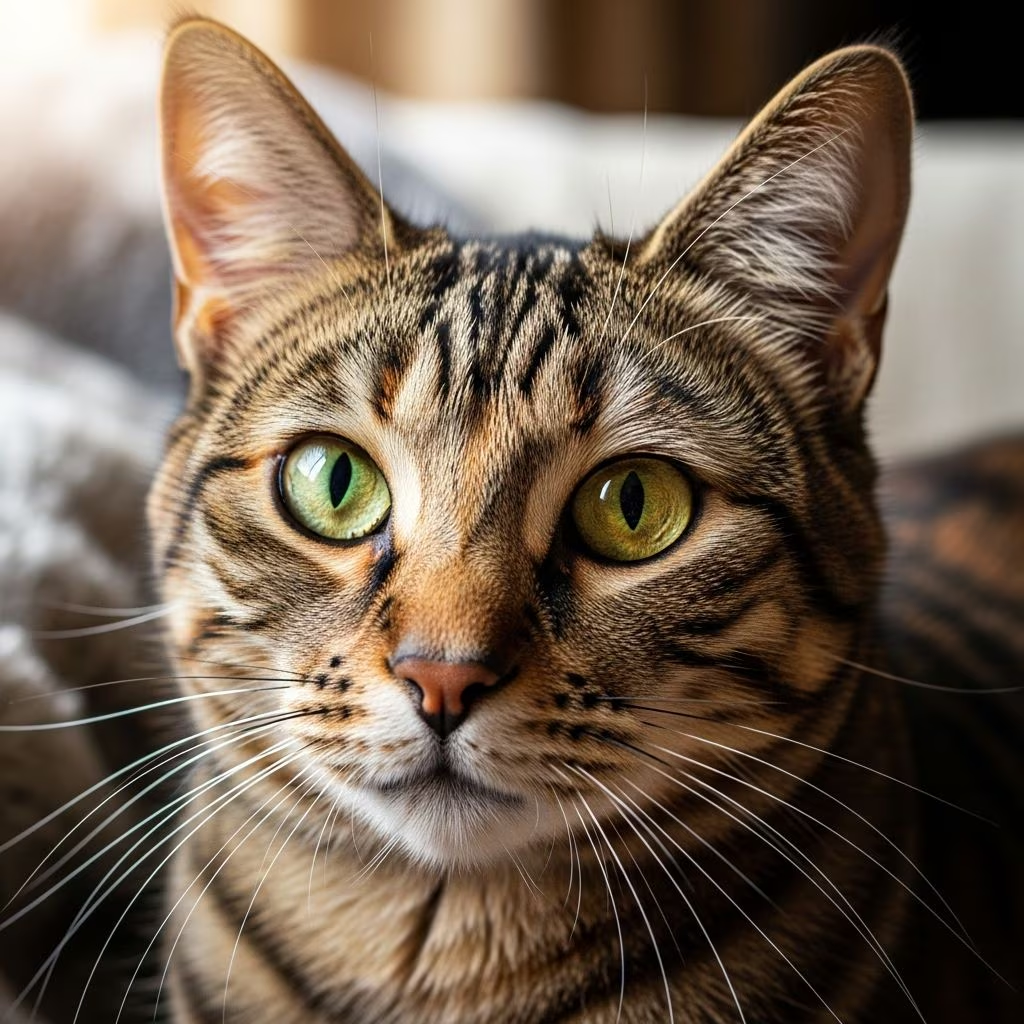
Cats captivate us with their enigmatic actions, from rapid jaw movements at windows to squeezing into impossibly small spaces. These behaviors, often labeled as odd, stem from deep-rooted instincts honed over millennia as skilled predators and survivors. Understanding them reveals a window into your cat’s world, fostering a deeper connection and addressing potential needs before they escalate.
The Instinctive Drive Behind Cat Chatter
When your cat fixates on a bird outside and begins chattering—those quick, staccato teeth clicks—it’s a blend of excitement and frustration. Behaviorists link this to the cat’s hunting drive, where the sound mimics the fatal bite on prey necks, muscles priming involuntarily as if preparing for the kill. This vocalization peaks when prey is visible but unreachable, like through glass, channeling pent-up predatory energy.
Observe the context: pupils dilate, tail twitches, and body tenses. It’s normal and healthy, signaling a stimulated mind. Indoor cats may chatter more due to limited outlets for hunting; enrich their environment with feather toys or window perches to mimic the thrill.
Affection Through Scent Marking
Rubbing cheeks or head against you isn’t mere greeting—it’s “bunting,” depositing pheromones from facial glands to claim you as family territory. This mirrors wild cats marking communal spaces, blending affection with ownership. Your cat views you as a vital clan member, reinforcing bonds via scent.
Respond positively by petting those glandular areas (cheeks, forehead), which reciprocates the gesture. If rubbing intensifies on new objects, it asserts dominance over changes in the home.
Kneading: A Kittenhood Echo
Witnessing your adult cat rhythmically pressing paws into blankets or your lap evokes nursing kittens stimulating milk flow. Retained into adulthood, kneading expresses ultimate comfort, security, and love—equivalent to a human hug. Scent glands in paw pads also mark the spot during this ritual.
Variations include drooling from bliss or aggression if overstimulated. Provide soft surfaces to indulge safely; trim claws to protect fabrics. The American Animal Hospital Association notes it’s self-soothing during stress, aiding relaxation.
Pica: When Cats Crave the Unedible
Chewing wool, plastics, or plants signals pica, a compulsion possibly tied to nutritional gaps like anemia, genetics, boredom, or anxiety. Oriental breeds show higher incidence; rule out medical issues via vet checks for thyroid problems or deficiencies first.
- Environmental triggers: Household upheavals like moves or new pets heighten stress-induced pica.
- Solutions: Offer safe chew toys, puzzle feeders for mental engagement, and Feliway diffusers for calm.
Monitor closely; persistent cases warrant dietary analysis or behavioral consults.
The Allure of Tight Spaces
Cats wedging into boxes, sinks, or bags tap survival instincts—enclosed spots offer predator protection and warmth retention. Pressure against their body simulates security burrows, reducing stress hormones. It’s why empty boxes become instant forts.
Capitalize on this: rotate cardboard boxes, provide cat caves, or paper bags sans handles. Avoid forcing them out; respect the refuge need, especially post-vet visits when anxiety peaks.
Knocking Objects: Paws as Explorers
Shelves become playgrounds as cats bat items off, using hypersensitive paws to test stability, movement, or solidity—like assessing prey. The cascade of falling objects triggers chase instincts, delivering thrill sans real hunt.
Prevent mishaps with secure shelving, sisal scratchers for redirection, or wall-mounted toys. Kittens outgrow extremes, but enrich seniors with stable puzzles to satisfy curiosity harmlessly.
| Behavior | Instinct | Management Tip |
|---|---|---|
| Chattering | Hunting frustration | Interactive toys |
| Kneading | Comfort ritual | Blanket stations |
| Knocking | Prey testing | Safe ledges |
| Pica | Nutritional/stress | Vet check + enrichment |
Tail Displays and Butt Presentation
A raised tail with quivering tip signals greeting among cats; towards humans, it’s trust invitation. Turning rear-end skyward during pets? It’s vulnerability display, tails aside for scent exchange—ultimate feline endearment.
Context matters: relaxed posture means joy; tensed with swishes indicates irritation. Learn body language: slow blinks affirm bonds, ears back warn retreat.
Vocal Symphony: From Purrs to Yowls
Purring denotes contentment but also self-healing during pain. Meows target humans—short for hellos, prolonged for demands. Hissing/growling wards threats; chirps entice play.
Excessive yowling flags heat cycles, loneliness, or cognitive decline in elders. Neutering curbs hormonal calls; interactive lasers fulfill social needs.
Faucet Fascination and Grass Grazing
Running water entices because it’s fresh, oxygen-rich—safer than still sources per wild ancestry. Some lap droplets for oxygenation aiding digestion.
Eating grass purges hairballs or parasites, providing fiber. Outdoor access risks toxins; indoor cat grass kits offer safe alternative.
Litter Box Drama and Gifts
Avoiding the box often stems from pain (UTIs), uncleanliness, or location aversion—not spite. Multi-cat homes need one box per cat plus one.
“Dead” gifts like bugs honor you as provider, sharing bounty. Praise gently; hide prey substitutes to redirect.
Keyboard Conquest and Lap Claims
Perching on laptops blends warmth-seeking with attention bids and scent-marking your space. It’s social mimicry, inserting into your routine.
Dedicated heated pads or elevated perches nearby satisfy without workflow disruption.
FAQs
Why does my cat chatter at birds?
It’s excited frustration from spotting unreachable prey, prepping jaw muscles instinctively.
Is kneading a sign of happiness?
Yes, echoing kitten nursing for comfort and milk, now pure contentment.
What causes pica in cats?
Deficiencies, stress, or genetics; vet evaluation essential.
Why squeeze into boxes?
Security from enclosure mimics wild hideouts.
How to stop knocking things over?
Provide paw-friendly toys and stable surfaces.
Enhancing Your Cat’s World
Quirks thrive in bland settings; counter with vertical climbers, foraging toys, and routines. Multi-cat dynamics demand resources to avert tensions. Regular vet checks catch health roots of behavior shifts.
Observation unlocks communication: tails high for joy, flattened for fear. Patience transforms “weird” into wonderful, celebrating the predator within your purr machine.
References
- 15 Strange Cat Behaviors Explained — The Drake Center. N/A. https://www.thedrakecenter.com/services/cats/blog/15-strange-cat-behaviors-explained
- Weird Cat Behaviors Explained — Hill’s Pet Nutrition. N/A. https://www.hillspet.com/cat-care/behavior-appearance/weird-things-cats-do
- The OddBall: 7 Odd Cat Behaviors Explained — Palmer Vet Clinic. 2021-03-07. https://palmervetclinic.com/2021/03/07/the-oddball-7-odd-cat-behaviors-explained/
- Understanding Feline Behavior: Common Cat Behaviors Explained — Healing Paws Vet. N/A. https://www.healingpawsvet.com/hello-world/
- 6 Common Cat Behaviors Explained — UC Davis. N/A. https://www.ucdavis.edu/magazine/6-common-cat-behaviors-explained
- Decoding Common Cat Behavior — MedVet. N/A. https://www.medvet.com/cat-behaviors/
- Strange Cat Behaviors Explained (Compilation) — YouTube (Cat Body Language Video). N/A. https://www.youtube.com/watch?v=OdxjQsYRQwk



