

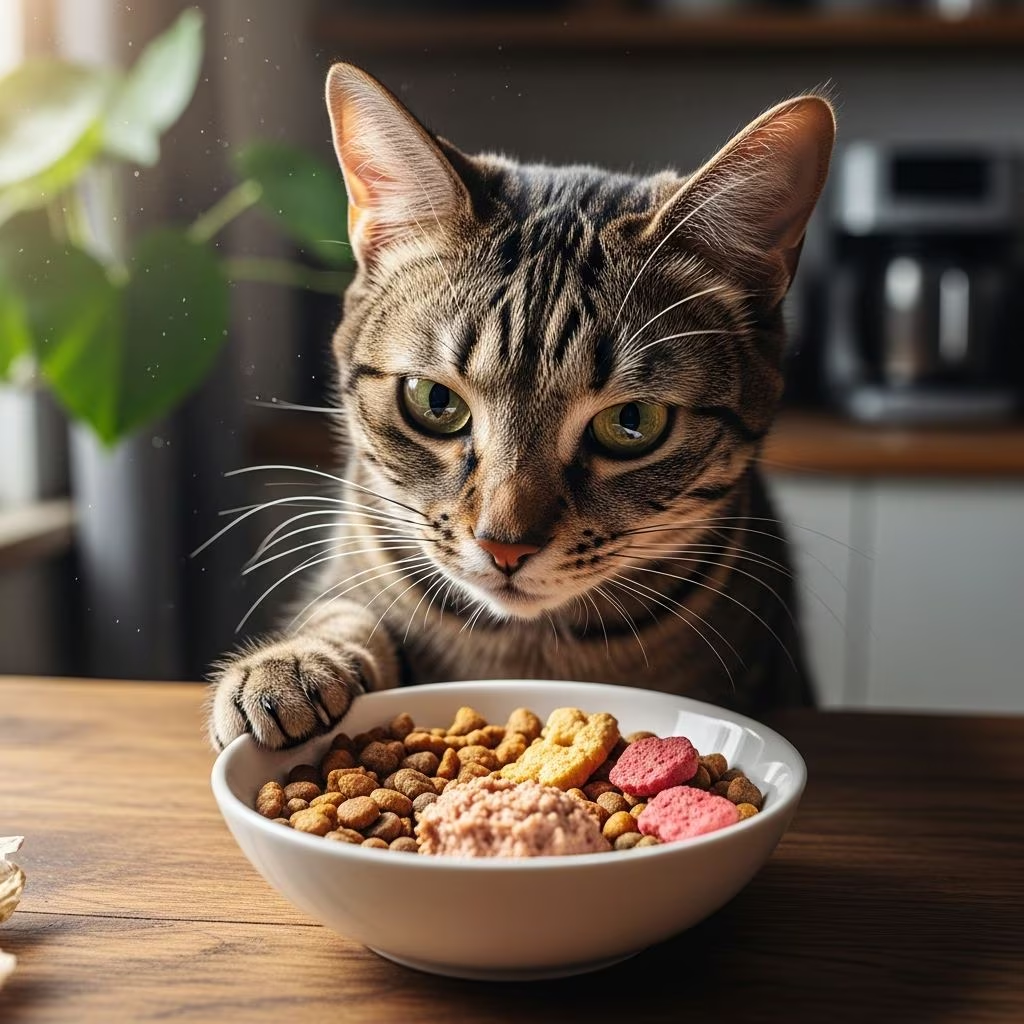
Cats exhibit a fascinating array of eating behaviors rooted in their evolutionary history as solitary hunters. These patterns reveal much about their health, mood, and environment, helping owners provide better care.
The Evolutionary Roots of Cat Mealtime Rituals
In the wild, cats are obligate carnivores that hunt small prey multiple times a day, consuming tiny meals frequently rather than large feasts. This instinct persists in domestic settings, where free-feeding mimics natural grazing but can lead to overconsumption without effort. Meal-feeding, on the other hand, encourages a ‘hunting’ mindset, prompting cats to seek food actively, much like stalking prey.
Solitary by nature, cats prefer undisturbed dining spots, avoiding competition that stresses them in multi-pet homes. Early kittenhood shapes lifelong preferences; exposing young cats to varied textures and flavors prevents adult pickiness.
Observing Key Eating Signals and What They Mean
Body language offers vital clues during meals. A cat sitting vigilantly by an empty bowl anticipates routine feedings, a holdover from survival instincts in strays. Pacing between owner and bowl signals a need for security, often in insecure environments.
- Whisker discomfort: Narrow bowls bend sensitive whiskers, causing hesitation; opt for wide, shallow dishes.
- Paw scooping: Cats may play with or scatter kibble, blending fun with feeding.
- Burying motions: Pawing uneaten food mimics wild scent-hiding to evade predators, not rejection.
- Constant scanning: Looking around mid-bite indicates anxiety from noise, other pets, or busy areas.
Resource guarding appears as hissing or staking out bowls, protecting vital calories. In multi-cat setups, one may raid another’s dish due to hierarchy or scarcity fears.
Unpacking Unusual and Quirky Feeding Patterns
Many cats roll food on their tongues or lap delicately, natural adaptations for texture processing. Psychological elements interplay here: stress or past experiences foster finicky tastes, while grooming urges might prompt odd ingestions like litter.
Environmental shifts—new homes, routine changes—disrupt appetites, making cats choosy or avoidant. Clean, quiet feeding zones restore normalcy.
| Behavior | Possible Cause | Quick Fix |
|---|---|---|
| Tongue-rolling/lapping | Sensory preference | Varied textures |
| Scooping food | Play instinct | Interactive toys |
| Burying food | Survival instinct | Smaller portions |
| Guarding bowl | Resource fear | Separate spaces |
When Hunger Turns Obsessive: Causes and Solutions
Food fixation often stems from boredom, loneliness, or emotional distress, akin to comfort eating in humans. ‘Psychogenic abnormal eating’ diagnoses highlight anxiety-driven overeating. Hyperthyroidism ramps metabolism, causing insatiable appetite with weight loss.
To counter, enrich environments: puzzle feeders simulate hunts, burning energy and engaging minds. Structured play twice daily, cat trees, and perches divert fixation. Remove stressors like loud noises.
Navigating Multi-Cat Household Dynamics at Mealtime
Competition breeds gorging or avoidance; unpredictable schedules heighten stress, leading to hiding or litter issues. Feed separately in calm spots, using vertical space for peace.
Dominance shows as bowl-stealing; former ferals hoard from scarcity memories. Consistent, measured portions build security.
Health Red Flags in Eating Routines
Sudden changes warrant vet checks: refusal signals dental pain or illness; ravenous hunger with slimming points to thyroid issues. Anxiety manifests as soothing via food.
Frequent treats undermine routines; cats often spurn them anyway. Balance with nutrient-dense kibble or wet food.
Strategies for Healthier, Happier Feeding Practices
Transition foods gradually, blending new with old. Simulate wild feeding: hide kibble, use dispensers. Scheduled meals curb begging.
- Daily play to tire and satisfy.
- Clean bowls and areas religiously.
- Monitor weight and adjust calories.
- Consult vets for persistent quirks.
FAQs on Cat Feeding Behaviors
Why does my cat meow loudly before meals?
This mimics wild hunting calls, intensified by meal-feeding.
How can I stop food obsession?
Increase play, use puzzles, reduce free access.
Is burying food a dislike sign?
No, it’s instinctual odor camouflage.
What bowl shape is best?
Wide and shallow to spare whiskers.
Should I free-feed or schedule?
Scheduled promotes natural effort, prevents obesity.
Building Lasting Mealtime Harmony
Respecting instincts while adapting to home life creates balanced eaters. Observe, enrich, and adjust for thriving felines.
References
- Unusual Cat Eating Habits Explained by Experts in 2025 — The Valley Animal Hospital. 2025. https://thevalleyanimalhospital.com/unusual-cat-eating-habits/
- How to Handle a Food Obsessed Cat — CatGenie. N/A. https://www.catgenie.com/blogs/catgazette/how-to-handle-a-food-obsessed-cat
- Cat Behavior Decoded – Food & Feeding — Frontier Veterinary Hospital. N/A. https://frontiervet.com/blog/cat-behavior-decoded-food-feeding/
- Cat feeding behaviours — RSPCA Pet Insurance. N/A. https://www.rspcapetinsurance.org.au/pet-care/cat-care/cat-feeding-behaviours
- Deciphering Cat Body Language Around Food — Wellness Pet Food. N/A. https://www.wellnesspetfood.com/blog/deciphering-cat-body-language-around-food/
- Why Is My Cat Always Hungry? Causes of a Hungry Cat — PetMD. N/A. https://www.petmd.com/cat/symptoms/causes-of-hungry-cat



