

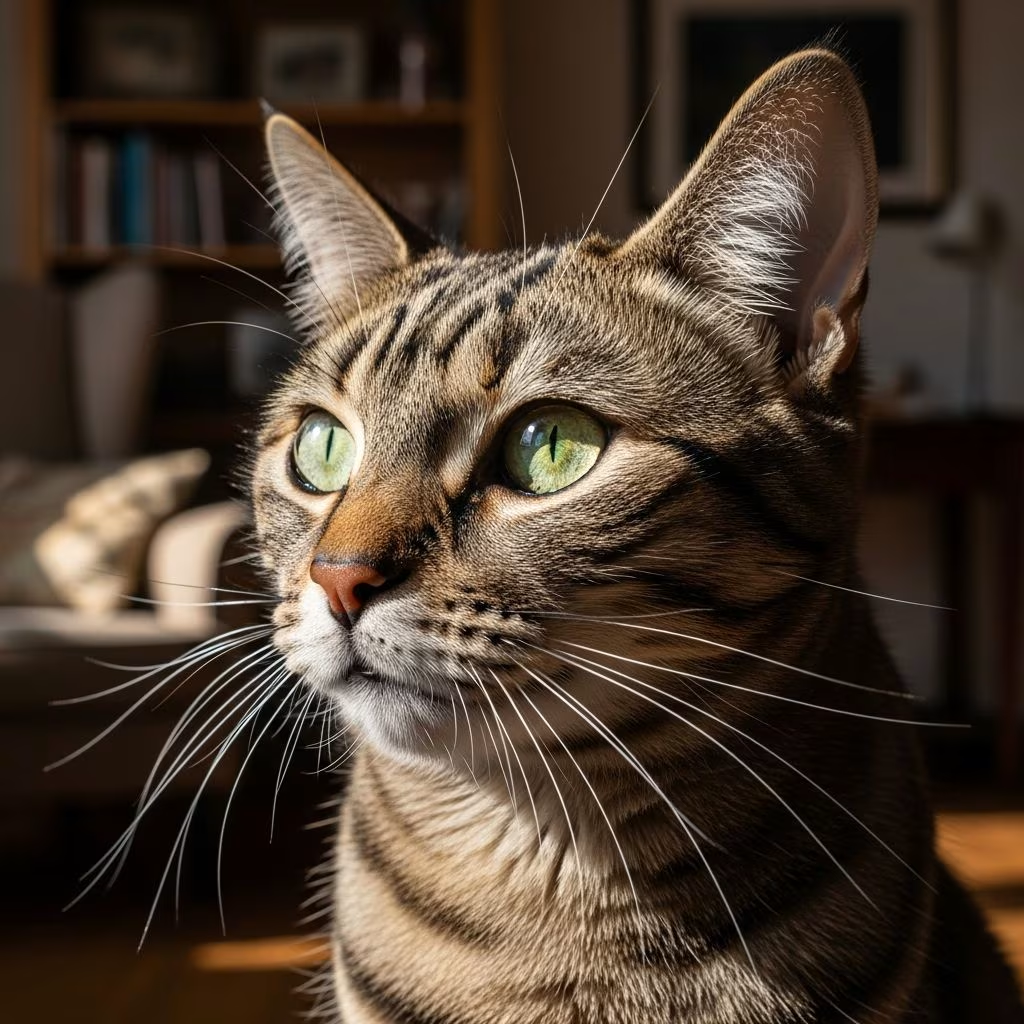
Cats possess a sophisticated system of communication that extends far beyond simple meows and purrs. Through their posture, tail positioning, ear angles, whisker movements, and vocalizations, felines continuously broadcast their emotional state and intentions. However, interpreting these signals requires understanding the nuances of feline behavior, as the same gesture can mean different things depending on context. Developing this skill strengthens the bond between you and your pet while preventing misunderstandings that could lead to stress or injury.
The Foundation: Understanding Context in Feline Expression
One of the most critical aspects of deciphering cat communication is recognizing that isolated gestures rarely tell the complete story. A raised tail, for instance, typically indicates confidence and friendliness when a cat approaches you with an open posture. Yet the same raised tail might signal territorial aggression when directed toward an unfamiliar cat encroaching on the animal’s space. Similarly, a cat’s ears positioned forward generally suggest engagement and calm curiosity, but the same ear position combined with a crouched body and narrowed eyes communicates intense focus and readiness to pounce.
To accurately interpret your cat’s signals, observe the entire behavioral picture. Consider the environmental context, the cat’s recent history, and how multiple body parts work together. A stressed cat displays a constellation of warning signs rather than a single indicator. The difference between a playful cat and an aggressive one lies not in one movement but in the coordinated pattern of signals across the body.
Postural Language: Reading Physical Stance and Orientation
A cat’s overall body posture communicates fundamental emotional states. Cats evolved as both predators and prey animals, meaning their postures often reflect whether they feel defensive or confident. When comfortable and secure, cats stretch their bodies fully, voluntarily exposing themselves because they perceive no threat. This open posture demonstrates trust in their environment and receptiveness to interaction.
Conversely, fearful or anxious cats compress their bodies into smaller shapes. This protective posture reduces their visible profile, making them less noticeable to potential threats. A cat curled into a tight ball or crouching low to the ground typically feels unsafe or threatened. Additionally, a tense, ball-like posture can indicate pain or illness, warranting veterinary attention.
Body orientation provides valuable predictive information about a cat’s intentions. When a cat positions its body sideways to you, it may be experiencing shyness or considering escape. This lateral stance gives the cat an optimal advantage for rapid movement should it need to flee. A cat pointing its body and head directly toward you indicates curiosity and receptiveness to engagement. Conversely, a cat facing away doesn’t necessarily indicate disinterest; it may simply signal that the cat feels secure enough to let its guard down around you.
Tail Position and Movement: The Emotional Indicator
The tail functions as one of the most expressive components of feline body language, serving as an emotional barometer that reflects the cat’s internal state. Understanding tail communication requires attention to both position and movement patterns.
Upright Tail Position: A tail held vertically with a slight hook or curve at the tip indicates a friendly, confident cat excited to greet you or another cat. This posture suggests the cat feels comfortable and open to social interaction. The characteristic hook at the end, sometimes described as a candy cane shape, emphasizes positive intent and enthusiasm.
Lowered Tail: A tail held low or tucked against the body typically signals stress, fear, or submission. A cat communicating “not now, human” through body language often displays this low tail position while swishing it back and forth with increased energy. The lower the tail drops, the more distressed the cat generally feels.
Tail Flicking and Swishing: While a gently swaying tail might indicate mild interest or contentment, rapid flicking often signals agitation, irritation, or mounting frustration. A cat showing progressive tail flicking movements is escalating through stress levels. This behavior serves as an important warning sign that interaction should decrease before the cat reaches its tolerance threshold and resorts to hissing, swatting, or biting.
Tail Puffing: When a cat’s tail expands to twice its normal size, the animal is attempting to appear larger and more threatening. This defensive mechanism occurs when cats feel frightened or defensive, as making themselves appear larger may deter potential threats.
Ear Positioning: Windows to Emotional States
Ear position serves as another reliable indicator of a cat’s emotional condition and level of alertness. The ears’ mobility and expressiveness make them powerful communication tools.
Forward and Upright Ears: Ears positioned forward and upright indicate a confident, relaxed, or engaged cat. This is the cat’s neutral, comfortable position when the animal feels safe and interested in its surroundings. Forward ears suggest the cat is attentively monitoring its environment with positive intent.
Ears Turned Outward: When ears rotate sideways or outward, the cat typically experiences mild stress or is attempting to monitor its surroundings more effectively. This position often accompanies behaviors like head turning or rapid blinking, all components of a cat managing mild anxiety or unfamiliar situations.
Flattened or Backward Ears: Ears pressed flat against the head indicate anger, fear, or extreme defensiveness. This posture is especially concerning when combined with other aggressive signals like hissing, exposed teeth, or a crouched stance. A cat with maximally flattened ears is communicating that it feels threatened and may be preparing to fight or flee.
Whisker Dynamics: Subtle Signs of Emotional Shifts
Whiskers are highly sensitive organs that also function as emotional indicators. These specialized hairs contain proprioceptors that help cats navigate their environment while simultaneously conveying emotional information.
Forward-Facing Whiskers: Confident cats often project their whiskers forward, extending them away from the face. This projecting stance communicates assertiveness and engagement with the environment. Cats displaying forward whiskers alongside other positive body language signals are typically feeling secure and sociable.
Whiskers Close to Face: Fearful or stressed cats pull their whiskers closer to the face, making themselves appear smaller. This behavior mirrors the cat’s overall strategy of reducing its visible profile when feeling threatened. Pulled-back whiskers combined with flattened ears and a crouched posture indicate significant distress.
Eye Communication: Pupils, Blinks, and Contact
Feline eyes communicate through multiple mechanisms, including pupil dilation, blinking patterns, and the intensity of eye contact. Understanding these signals prevents misinterpreting a cat’s emotional state.
Pupil Dilation: Wide pupils can indicate either extreme relaxation or heightened alertness and fear. In dim lighting, naturally enlarged pupils simply facilitate vision. However, in normal lighting, dilated pupils accompanied by other stress signals suggest the cat feels threatened or overstimulated. Conversely, pupils constricted to thin slits may indicate contentment, though they can also reflect heightened focus during hunting behavior.
The Slow Blink: One of the most significant feline communication signals is the slow blink. When a relaxed cat slowly closes and opens its eyes while looking at you, it communicates trust and affection. Because cats remain naturally vigilant predators, voluntarily closing their eyes represents a profound gesture of trust. Returning this slow blink signals to your cat that you reciprocate their trust and feel comfortable in their presence.
Direct Eye Contact: While prolonged direct eye contact between humans often indicates honesty and confidence, cats interpret sustained staring as threatening or aggressive. A cat holding steady eye contact with forward ears and relaxed whiskers may be engaging playfully, but prolonged staring combined with other stress signals indicates challenge or aggression.
Vocalizations: Understanding the Feline Voice
Though body language remains cats’ primary communication method, their vocalizations provide explicit messages about emotional state. Different sounds carry distinct meanings.
Purring: The most commonly recognized cat vocalization, purring typically indicates contentment, relaxation, and affection. However, cats occasionally purr when injured or frightened, using the vibration for self-soothing. Context determines whether purring reflects happiness or stress management.
Meowing: This versatile vocalization serves multiple purposes. Mother cats meow to call kittens, and adult cats meow to communicate with humans. The pitch and intensity of meows vary depending on the cat’s needs, whether demanding food, requesting attention, or expressing distress.
Hissing: A hiss is an unmistakable warning signal. Cats hiss when feeling threatened and preparing either to fight or flee. This sound effectively intimidates potential aggressors by imitating a snake’s threatening hiss, warning that the cat possesses sharp claws and teeth.
Growling: A low, rumbling growl communicates serious displeasure and serves as a warning to back away. This vocalization precedes escalation to more aggressive behaviors and should always be respected as an explicit boundary.
Yowling and Caterwauling: These intense, prolonged vocalizations typically indicate extreme stress, pain, territorial disputes, or reproductive behavior. A cat producing these sounds requires attention and possibly veterinary evaluation if the behavior is unusual.
Distinguishing Stress Levels Through Behavioral Patterns
Cats don’t transition instantly from relaxation to aggression. Instead, they progress through escalating stress levels, with each stage displaying characteristic signals. Recognizing these progressive stages allows you to adjust interaction before the cat reaches its breaking point.
| Stress Level | Physical Signals | Behavioral Indicators |
|---|---|---|
| Calm and Relaxed | Soft eyes with average pupils; forward ears; relaxed whiskers; loose body posture | Slow movements; purring; grooming; resting comfortably |
| Mildly Stressed | Slightly dilated pupils; ears turned outward; whiskers forward of normal; stiff body | Rapid blinking; head turning; tail twitching; leaning away |
| Moderately Stressed | Very dilated pupils; ears further back; whiskers pulled tight; crouched posture | Tail swishing; body held low; one paw raised; avoiding eye contact |
| Highly Stressed/Defensive | Maximally dilated pupils; ears flattened; whiskers compressed; arched back; puffed tail | Hissing; growling; exposed teeth; ready-to-pounce stance |
Special Behavioral Displays and Their Meanings
Belly Exposure: When a cat rolls onto its back and exposes its belly, first instinct might suggest vulnerability and openness to touch. However, this display is context-dependent. A cat might roll for play, inviting interactive engagement with gentle pouncing. Alternatively, a cat displaying belly while keeping its ears alert and whiskers forward may be in a defensive posture, prepared to grab with all four claws and back legs should approached. Always observe accompanying signals before touching an exposed belly.
Slow Approach with Head Bunting: When a cat approaches with slow movements, head held high, and proceeds to rub its face and head against you or objects, it’s displaying affection and ownership marking. Cats have scent glands in their faces, and this rubbing behavior claims friends and objects as part of their territory in a positive manner.
The Figure-Eight Weaving: Cats often circle people’s legs in a figure-eight pattern while their tail curves around the legs. This behavior combines affection, scent marking, and social bonding, clearly communicating positive feelings toward the person.
The Play Bow: A cat that crouches with front legs extended forward and rear end elevated is inviting play. This posture differs from a fear crouch because the cat’s ears remain alert, whiskers point forward, and the overall body tension suggests readiness for active interaction rather than defensive positioning.
Frequently Asked Questions About Cat Body Language
Why does my cat slow blink at me?
Slow blinking is a cat’s way of showing trust and affection. The cat is essentially saying “I feel safe enough to close my eyes around you.” Return the slow blink to reinforce your bond and communicate reciprocal trust.
Is a cat wagging its tail happy?
Not necessarily. While a gently swaying tail can indicate contentment, a rapidly flicking or swishing tail typically signals agitation or frustration. Observe the overall body language context to accurately interpret the tail movement’s meaning.
What does it mean when a cat’s ears are sideways?
Ears turned sideways or outward usually indicate mild stress, uncertainty, or an attempt to monitor multiple sounds simultaneously. This position often accompanies mildly stressful situations but doesn’t necessarily indicate danger.
Can cats smile?
While cats don’t smile in the human sense, they do display contentment through soft eyes, relaxed whiskers, and slow blinks. Some people interpret the slightly upturned mouth of a very relaxed cat as a feline smile, though this is more projection than actual expression.
What should I do if my cat shows stress signals?
Respect the cat’s communication by reducing interaction, providing space, and removing sources of stress. Forcing interaction with a stressed cat risks injury and damages trust. Allow the cat to approach you when ready.
Building Better Communication With Your Feline Companion
Mastering feline body language transforms your relationship with your cat. Rather than viewing cats as aloof or indifferent, you begin recognizing them as highly expressive communicators with complex emotional lives. By learning to read their signals, you can respond appropriately to their needs, prevent escalation conflicts, and deepen your mutual understanding.
Practice observing your cat throughout the day, noting how different signals appear during various situations. Over time, you’ll develop intuition about your individual cat’s communication style, recognizing personal variations in how they express their emotions. This attentiveness demonstrates respect for your cat’s boundaries while celebrating their remarkable capacity for non-verbal communication.
References
- The Definitive Guide to Cat Behavior and Body Language — Tuft & Paw. Accessed February 2026. https://www.tuftandpaw.com/blogs/cat-guides/the-definitive-guide-to-cat-behavior-and-body-language
- Cat Communication: A Guide to Feline Body Language — Dakin Humane Society. Accessed February 2026. https://www.dakinhumane.org/blog-full/cat-communication-a-guide-to-feline-body-language
- How to Read Cat Body Language and Emotions — Best Friends Animal Society. Accessed February 2026. https://bestfriends.org/pet-care-resources/how-read-cat-body-language-and-emotions
- Reading Cat Body Language — Indoor Pet Initiative, The Ohio State University College of Veterinary Medicine. Accessed February 2026. https://indoorpet.osu.edu/sites/default/files/assets/documents/hospital/indoorcat/Reading%20Cat%20Body%20Language.pdf
- A Visual Guide to Cat Body Language — Alley Cat Allies. Accessed February 2026. https://www.alleycat.org/resources/a-visual-guide-to-cat-body-language/
- Cat Body Language — Cats Protection. Accessed February 2026. https://www.cats.org.uk/help-and-advice/cat-behaviour/cat-body-language



