

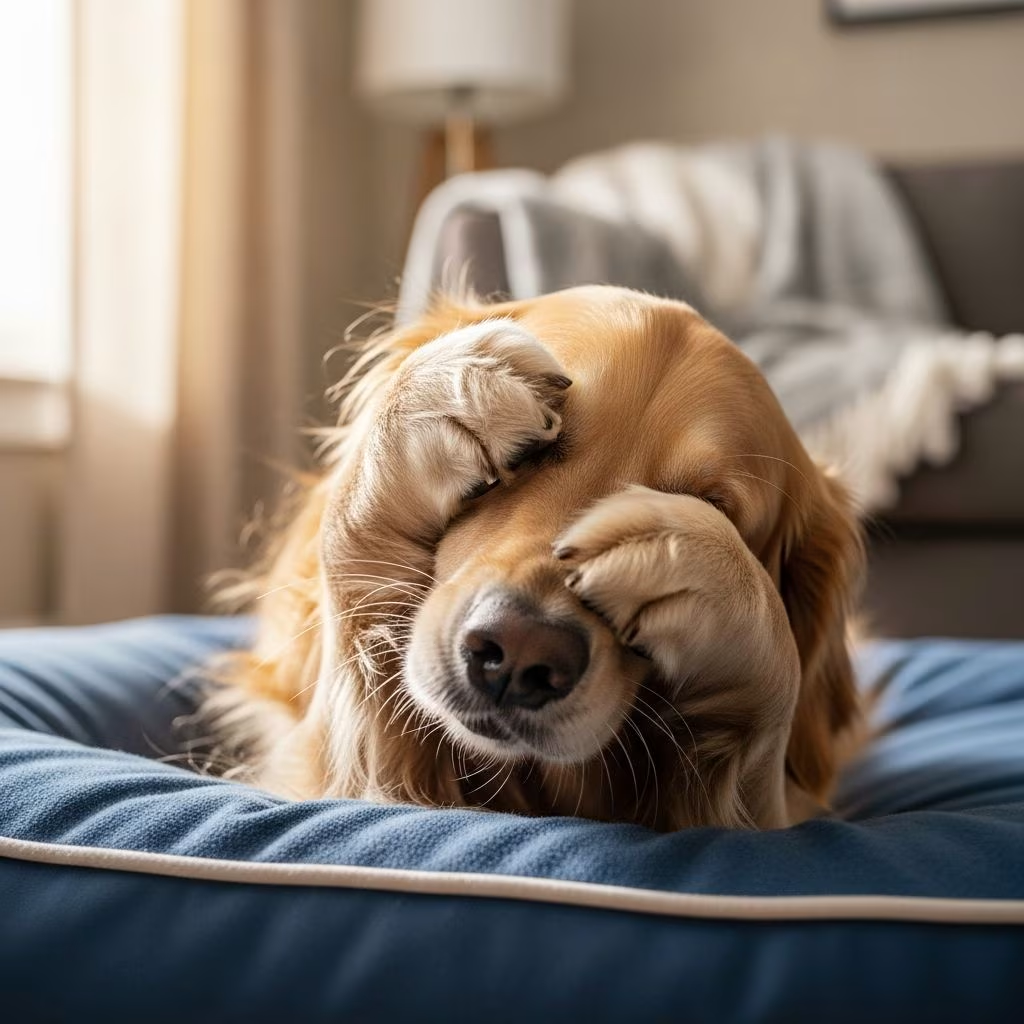
Dogs frequently rub their faces against carpets, furniture, or other surfaces, a behavior that can stem from instinctual habits or signal underlying health concerns. Understanding these actions helps owners distinguish between harmless quirks and issues requiring professional intervention.
Instinctual Reasons for Face Rubbing
Many instances of face rubbing arise from a dog’s natural tendencies rather than problems. These behaviors allow dogs to interact with their environment in ways rooted in their biology.
Scent Gland Expression and Territory Marking
Dogs possess scent glands near their mouths, cheeks, and eyes, which release unique pheromones when rubbed on objects. This marking communicates ownership or familiarity to other dogs, often occurring after meals, outdoor adventures, or encounters with novel odors. The action is typically short-lived, relaxed, and paired with positive body language like a wagging tail.
- Post-meal rubbing: Reinforces personal scent after eating.
- After play: Claims toys or spaces as ‘mine’.
- In new areas: Establishes comfort in unfamiliar surroundings.
Such rubbing strengthens social bonds within packs, a remnant of wild canine ancestry where scent trails guide group dynamics.
Seeking Sensory Pleasure
Some dogs simply enjoy the tactile sensation of fabrics or rough surfaces against their skin. Similar to humans relishing a massage, this provides mild gratification without other symptoms. If isolated and infrequent, it poses no concern.
Health-Related Triggers
When face rubbing intensifies or persists, it often indicates irritation or discomfort. Prompt identification prevents escalation.
Allergies and Skin Irritations
Environmental allergens like pollen, dust, or grasses trigger seasonal itching, peaking in spring (tree pollen) or fall (weeds). Food sensitivities or contact with irritants such as cleaning products exacerbate this. Affected dogs show redness around eyes, mouth, or paws, plus excessive licking.
| Allergen Type | Common Signs | Seasonal Peak |
|---|---|---|
| Environmental | Face redness, paw licking | Spring/Fall |
| Food | Chronic itching, ear issues | Year-round |
| Contact | Localized rash | After exposure |
Hypersensitivity to flea bites amplifies reactions, even with few parasites present.
Parasitic Infestations
Fleas, sarcoptic mites, ear mites, ticks, or mosquitoes cause intense pruritus (itching). Ear mites prompt head shaking and unilateral rubbing, while fleas lead to widespread scratching. Mange from mites results in hair loss and crusty skin.
- Fleas: Visible dirt-like residue, flea allergy dermatitis.
- Ear mites: Dark discharge, foul odor.
- Sarcoptic mange: Highly contagious, intense face focus.
Ocular and Aural Problems
Eye issues like conjunctivitis, dry eye (keratoconjunctivitis sicca), corneal ulcers, entropion (inward-rolling lids), or debris prompt pawing or rubbing. Symptoms include squinting, discharge, swelling, or light sensitivity. Ear infections cause head tilting, odor, and face pressing.
Dental and Oral Discomfort
Tooth infections, gingivitis, broken teeth, or foreign objects stuck in gums provoke one-sided rubbing. Accompanying signs: halitosis, drooling, appetite loss, facial swelling.
Infections and Dermatological Conditions
Bacterial or yeast overgrowth in skin folds (common in brachycephalic breeds), hot spots, or hypocalcemia (low calcium) lead to persistent itching. Hypocalcemia adds twitching or restlessness.
Behavioral and Emotional Factors
Beyond physical causes, emotional states influence this habit.
Stress Relief and Self-Soothing
Anxious or overstimulated dogs rub to release tension, akin to human nail-biting. Triggers include new environments, loud noises, or post-excitement cooldowns. Paired with yawning or lip-licking, it’s a calming signal.
Attention-Seeking Patterns
Clever dogs learn rubbing elicits owner response, repeating for play or affection. Positive reinforcement unwittingly encourages it.
Recognizing When to Worry
Not all rubbing merits alarm, but patterns signal trouble.
- Normal: Occasional, bilateral, relaxed demeanor, no other symptoms.
- Concerning: Frequent, intense, one-sided, with redness, discharge, odor, behavioral shifts, or appetite changes.
Monitor duration and context; video episodes for vet review.
Diagnostic Steps and Home Management
Start with observation: Note frequency, triggers, and symptoms. Bathe gently with hypoallergenic shampoo; use flea preventives year-round. Elizabethan collars prevent worsening injuries during flares.
Veterinary evaluation may include skin scrapes, allergy tests, dental X-rays, or ear cytology. Treatments range from medicated drops to immunotherapy.
Preventive Strategies for a Rub-Free Life
Proactive care minimizes episodes.
- Maintain flea control and regular grooming.
- Diet trial for food allergies under vet guidance.
- Regular ear cleaning and dental chews.
- Stress reduction via exercise, puzzle toys, calming aids.
- Brachycephalic breeds: Monitor folds for moisture buildup.
Common Myths Debunked
Myth: All rubbing means worms. Intestinal parasites rarely cause facial focus; skin parasites are culprits.
Myth: It’s always allergies. While common, rule out infections first.
Myth: Ignore if no visible issue. Subtle problems like early dental decay hide without symptoms.
FAQs
Why does my dog rub its face after eating?
Often scent marking or cleaning residue; excessive suggests oral irritation.
Can food cause face rubbing?
Yes, proteins trigger allergies mimicking environmental ones.
Is face rubbing breed-specific?
Flat-faced breeds prone due to folds; herding breeds from grass exposure.
How to stop excessive rubbing at home?
Cone collar temporarily; address root cause via vet.
When is emergency vet needed?
Swollen face, eye cloudiness, severe lethargy, or trauma.
Long-Term Wellness Tips
Annual wellness exams catch predispositions early. Omega-3 supplements support skin health; hypoallergenic bedding reduces dust. Track behaviors in a journal for patterns, aiding personalized care plans.
By decoding face rubbing, owners foster deeper bonds and proactive health management, ensuring joyful, itch-free companionship.
References
- Why Do Dogs Rub Their Face? — Great Pet Care. 2023. https://www.greatpetcare.com/dog-behavior/why-do-dogs-rub-their-face/
- Why Do Dogs Rub Their Face? Reasons and Meaning — Petworks. 2024. https://www.petworks.com/articles/why-do-dogs-rub-their-face/
- Why Dogs Rub Their Faces on the Carpet or Furniture — Pets4Homes. 2023. https://www.pets4homes.co.uk/pet-advice/why-do-dogs-rub-their-faces-on-the-carpet-or-furniture.html
- Why Does My Dog Keep Rubbing His Face? — Oreata AI. 2024. https://www.oreateai.com/blog/why-does-my-dog-keep-rubbing-his-face-understanding-this-common-canine-behavior/13c3ba72cd82a63eba41448ee657e3b0
- Reasons Why Dogs Rub Their Faces — Petcube. 2023. https://petcube.com/blog/dogs-rub-their-faces/



