

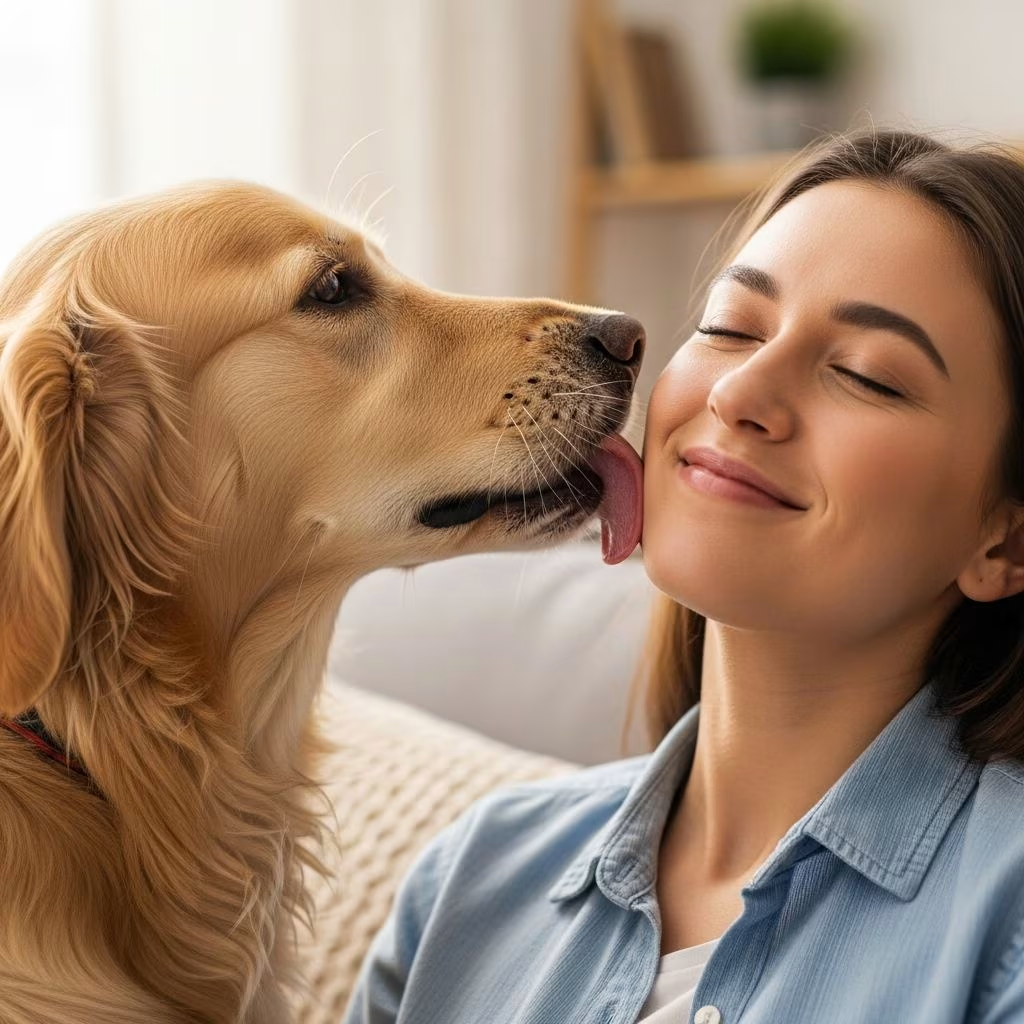
Dogs often greet their owners with enthusiastic face licks, a behavior that blends instinct, emotion, and communication. This action stems from their wolf ancestry and serves various purposes in pack dynamics, now adapted to human households.
The Evolutionary Roots of Canine Licking
Face licking traces back to wild canid packs, where it played essential roles in survival and social order. Puppies instinctively lick their mother’s muzzle to trigger regurgitation of food, ensuring nourishment during weaning. This behavior persists in adult dogs as a foundational social cue. In modern contexts, it evolves into a multifaceted signal among dogs and toward humans.
Within dog groups, licking reinforces hierarchies. A subordinate dog licks a dominant one’s face to show deference, often lowering its body and averting eyes to emphasize submission. The higher-ranking dog stands tall, accepting the gesture without reciprocation, maintaining pack harmony.
Affection and Emotional Connection
Many owners interpret face licks as ‘kisses,’ and while not identical to human affection, they often convey positive emotions. Dogs lick to express joy upon reunions, strengthening bonds similar to pack greetings. This act releases endorphins, providing comfort to both giver and receiver.
- Licking during happy moments, like returning home, signals excitement and attachment.
- It mimics mutual grooming in packs, fostering closeness through physical contact.
- Positive reinforcement from owners—such as smiles or pets—encourages repetition, deepening the perceived affection.
However, affection isn’t the sole driver; context matters. A relaxed tail wag and soft eyes alongside licks point to genuine warmth, whereas tense posture might indicate other motives.
Submission and Appeasement Signals
Licking frequently communicates respect or pacification. Dogs view humans as pack leaders, using licks to say ‘I acknowledge your status’ or ‘I’m not a threat.’ This appeasement reduces tension in uncertain situations.
In multi-dog homes, observe one dog licking another’s face to defer during play or resource disputes. Toward owners, it might occur when seeking permission or calming nerves before interactions.
| Context | Body Language | Likely Meaning |
|---|---|---|
| After scolding | Lowered head, tucked tail | Appeasement |
| During greetings | Relaxed posture, wagging tail | Submission with joy |
| Around food | Averted gaze, crouched body | Deference |
Taste, Scent, and Sensory Exploration
Dogs experience the world through their mouths, boasting over 300 million taste buds compared to humans’ 9,000. Faces offer intriguing flavors—sweat’s saltiness, remnants of food, or skin lotions—prompting investigative licks.
Additionally, licking gathers pheromonal data. A dog’s Jacobson’s organ detects chemical messages, revealing an owner’s stress, diet, or health via saliva traces. This sensory check-in helps dogs assess their environment and companions.
Grooming Instincts in Domestic Life
Mutual grooming maintains hygiene in packs, removing debris and parasites. When dogs lick human faces, they may instinctively ‘clean’ perceived pack members, blending care with bonding. Though human skin differs, this habit endures from puppyhood nurturing.
Attention-Seeking and Habit Formation
Licks often elicit responses—laughter, pets, or play—reinforcing the behavior through learned association. Bored or understimulated dogs amplify it to gain engagement, turning it into a habitual bid for interaction.
Routines exacerbate this: consistent rewards upon entry make face licking a welcome-home ritual. Emotional sensitivity plays a role too; dogs lick more when owners are upset, attempting comfort via familiar means.
Potential Concerns and Red Flags
Moderate licking is benign, but excess warrants attention. Compulsive patterns might signal anxiety, allergies, or gastrointestinal issues prompting nausea relief. Watch for:
- Raw skin from persistent licking.
- Licking paired with pacing or whining, indicating stress.
- Sudden increases without clear triggers.
Hygiene myths persist—dog saliva harbors bacteria like Capnocytophaga, risking infection in open wounds. Immunocompromised individuals should minimize exposure.
Misinterpretations That Can Lead to Risks
Not all licks signal friendliness. Stressed dogs may lick to politely request space, especially around valued items like toys. Ignoring this can escalate to snaps or bites, as seen when children approach resting dogs. Reading full body language prevents misunderstandings.
Strategies to Manage or Redirect Licking
Acceptance suits some, but boundaries benefit others. Consistent training yields results:
- Ignore licks entirely, turning away without eye contact or speech.
- Reward calm alternatives like sitting with treats or praise.
- Teach ‘enough’ or ‘no lick’ cues using positive reinforcement.
- Boost enrichment: puzzle feeders, scent walks, and interactive toys curb boredom-driven licks.
For excessive cases, consult vets to rule out medical causes, followed by certified behaviorists for tailored plans.
Health and Safety Considerations
While saliva aids minor wound healing via enzymes, it’s not sterile. Avoid letting dogs lick faces post-rolling in filth. Regular dental care keeps mouths healthier, reducing bacterial transfer.
FAQs
Is dog face licking a sign of love?
It often indicates affection or bonding, reinforced by owner responses, though multifaceted.
Should I stop my dog from licking my face?
If bothersome or unhygienic, redirect gently; otherwise, enjoy as communication.
What if my dog licks excessively?
Monitor for anxiety or health issues; seek professional advice if persistent.
Do all dogs lick faces?
No, personality and breed influence; some prefer paws or toys.
Is dog saliva dangerous?
Generally safe for healthy people, but avoid wounds and consult doctors for vulnerabilities.
Building a Lick-Free Bond
Understanding licking empowers owners to respond thoughtfully, enhancing mutual trust. Observe patterns, enrich environments, and train proactively for harmonious coexistence. Dogs thrive with clear communication, turning potential annoyances into insightful exchanges.
References
- Are Dog Licks Really Kisses? — PEDIGREE. 2023. https://www.pedigree.com/dog-care-articles/are-dog-licks-really-kisses
- Why Dogs Like to Lick Us — Psychology Today. 2021-10-01. https://www.psychologytoday.com/us/blog/canine-corner/202110/why-dogs-like-to-lick-us
- Why Do Dogs Lick Each Other’s Faces? — Woof. 2024. https://mywoof.com/blogs/articles/why-do-dogs-lick-each-other-s-faces
- Why Does My Dog Lick My Face — The Training of Dogs. 2024. https://www.thetrainingofdogs.com/post/why-does-my-dog-lick-my-face
- Licking Behavior Explained — Beyond the Dog Training. 2023. https://beyondthedogtraining.com/dog-training/licking-behavior-explained/



