Decoding Face Licking in Dogs
Explore the multiple reasons behind why dogs lick each other's faces, from ancient instincts to modern social cues.
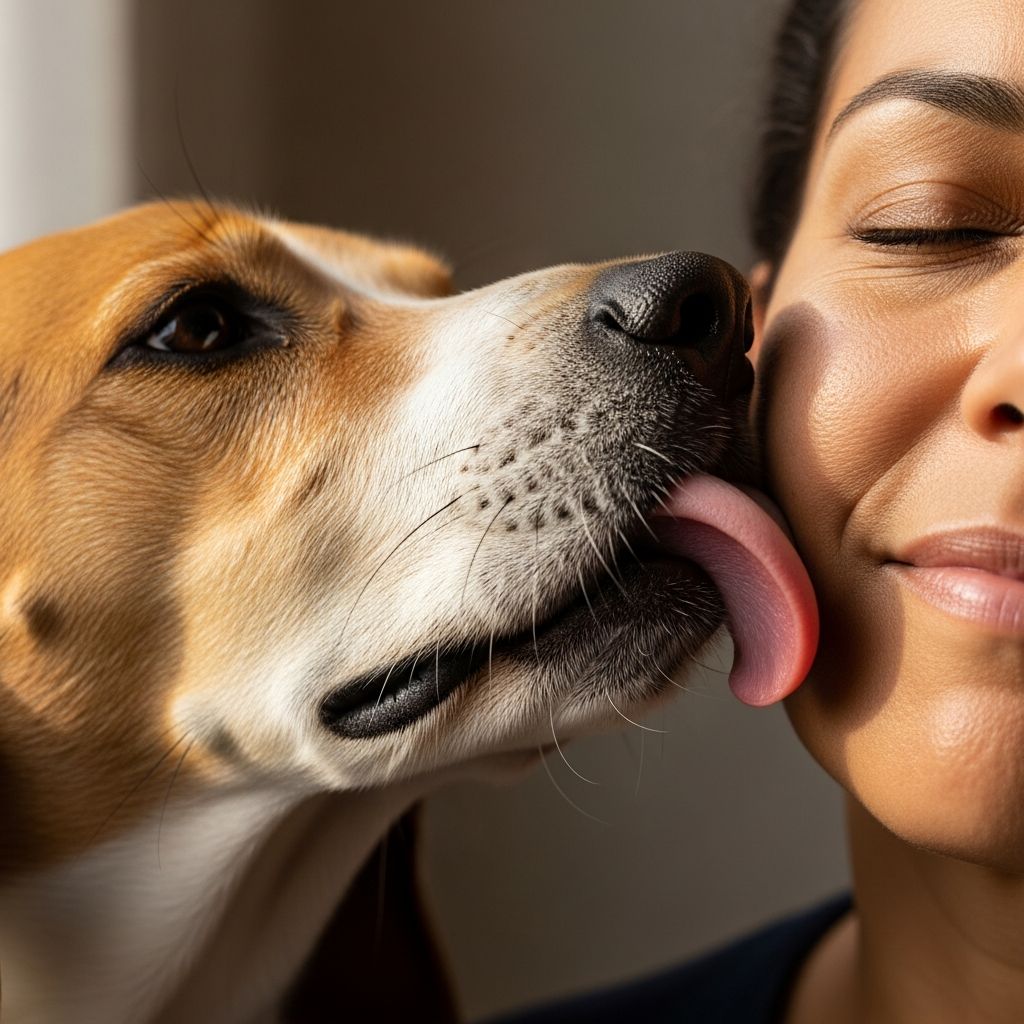
Dogs frequently lick each other’s faces as a multifaceted behavior rooted in their evolutionary history and social structure. This action serves purposes ranging from reinforcing bonds to signaling submission, often observed in packs and domestic settings alike.
The Evolutionary Roots of Canine Face Licking
Face licking traces back to wild canid ancestors like wolves, where puppies licked their mothers’ mouths to stimulate regurgitation of food. This instinct persists in domestic dogs, evolving into broader social communication. In modern contexts, adult dogs rarely lick each other’s faces as frequently as puppies do with adults, indicating a retained juvenile trait adapted for human interaction.
Research highlights how this behavior fosters pack cohesion. Dogs, as pack animals, use licking to affirm hierarchies and maintain group harmony. When one dog licks another’s face, it often conveys respect toward a perceived higher-status individual, with the licker adopting a lowered posture.
Primary Functions: Social Bonding and Greeting
One of the most common reasons dogs lick faces is to strengthen social ties. This gesture acts as a greeting or reaffirmation of affiliation, particularly among familiar pack members. Experts note that such licks express enthusiasm and reinforce ‘pack’ relations, directed more toward known companions than strangers.
In multi-dog households, you’ll observe subordinate dogs licking dominant ones upon reunion, signaling ‘I’m part of the group.’ This mirrors primate reconciliation behaviors, like chimpanzees kissing post-conflict, underscoring licking’s role in peacemaking.
- Bonding mechanism: Releases oxytocin, enhancing emotional connections similar to human hugs.
- Greeting ritual: Equivalent to a canine handshake, often accompanied by tail wags and play bows.
- Affiliation signal: Reinforces alliances, reducing tension in shared spaces.
Submission and Appeasement Signals
Face licking frequently indicates deference or appeasement. Dogs use it to say ‘I come in peace,’ diffusing potential conflicts. This is especially evident when a dog approaches a more assertive one with lowered head and quick licks.
Body language is key: paired with averted gaze, tucked tail, or crouched stance, it clearly signals submission. In contrast, mutual licking between equals suggests playfulness rather than hierarchy. Clinical animal behaviorists emphasize reading these cues to avoid misinterpreting polite deference as aggression.
| Context | Body Language | Meaning |
|---|---|---|
| Quick licks on muzzle | Lowered head, soft eyes | Appeasement/submission |
| Prolonged mutual licks | Relaxed posture, wagging tail | Playful bonding |
| Licks with stiff body | Dilated pupils, lip lick | Stress or dismissal |
Sensory Exploration and Taste Appeal
Dogs possess over 300 million olfactory receptors, making licking a sensory tool for gathering information. Faces carry scents from food, emotions, and environment, providing a ‘taste map’ of social dynamics. Salty residues from sweat or meals make faces particularly enticing.
This exploration deepens understanding of pack mates’ states. A dog might lick to detect stress pheromones or recent meals, integrating sensory data with social cues. Puppies especially use this to learn hierarchies early on.
Stress Relief and Self-Soothing
Licking calms anxious dogs by releasing endorphins, akin to humans chewing gum under pressure. In overwhelming situations, face licking toward others seeks reassurance from familiar scents.
Observe during fireworks or vet visits: a dog may lick another’s face frantically, combining self-soothing with appeasement. Studies link this to elevated oxytocin and dopamine, promoting positive emotions. If persistent, it may indicate chronic anxiety warranting behavioral intervention.
Attention-Seeking and Play Invitation
Energetic licks often solicit interaction. Aroused dogs lick to express excitement, inviting play or attention. This is common in young dogs, blending affection with overstimulation.
Owners report dogs licking pack mates before zoomies, using it as a ‘let’s play’ prompt. Positive responses reinforce the behavior, creating a feedback loop.
Contextual Variations in Multi-Dog Interactions
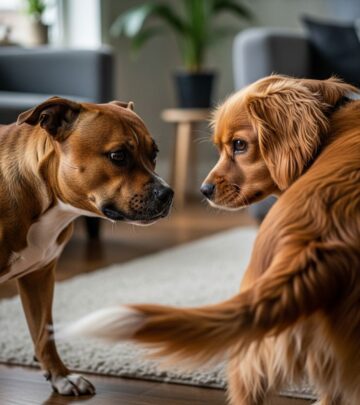
Behavior shifts by relationship and setting. Puppies lick adults for food remnants or comfort; adults lick puppies nurturingly. Between peers, it’s affiliative; toward superiors, deferential.
In shelters or dog parks, unfamiliar dogs may lick cautiously for peace signals. Trainers advise monitoring for escalation, as ignored stress licks can lead to avoidance or snaps.
When Licking Signals a Problem
Not all face licking is benign. ‘Dismissal licks’—brief, tense swipes with whale eye or turning away—indicate discomfort or boundary-setting. Compulsive licking suggests medical issues like allergies or nausea.
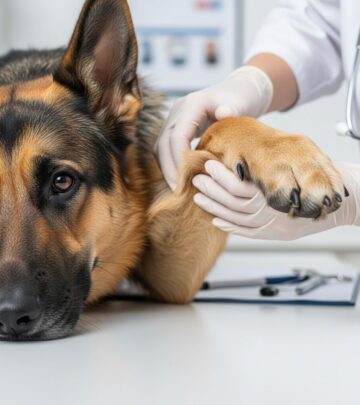
Consult vets if accompanied by lethargy, vomiting, or skin irritation. Behaviorists recommend enrichment to redirect excessive licking.
How to Respond Appropriately
Encourage healthy licking by rewarding calm greetings. Redirect unwanted excess with toys or commands like ‘sit.’ Multi-dog homes benefit from structured intros to prevent overload.
Training tip: Teach ‘enough’ cues, praising disengagement. This respects canine communication while setting boundaries.
FAQs
Is dog-on-dog face licking always friendly?
No, context matters. Relaxed mutual licks indicate friendship; tense ones signal stress.
Why do puppies lick more than adults?
Puppies retain food-soliciting instincts; adults use it socially.
Can excessive licking harm relationships?
Yes, if ignored, it may lead to avoidance or conflict.
How does licking affect dog hormones?
It boosts oxytocin for bonding and endorphins for calm.
Should I stop my dogs from licking each other?
Only if problematic; otherwise, it’s natural communication.
References
- Decoding Dog Behavior: Why Dogs Lick Your Face — Farmina. 2023. https://www.farmina.com/uk/pet-care/geniustips/1417/decoding-dog-behavior:-why-dogs-lick-your-face.html
- Why do dogs lick humans? — Popular Science. 2023-08-01. https://www.popsci.com/science/why-do-dogs-lick-humans/
- Why Does My Dog Lick My Face? 7 Reasons Why — Zigzag. 2023. https://zigzag.dog/en-us/blog/puppy-behavior/understanding-your-puppy/dog-licking-face/
- Why Does My Dog Lick My Face? Should I Stop Them? — Rover.com. 2023. https://www.rover.com/blog/why-do-dogs-lick-face/
- The (rather gross) reason your dog loves to lick people — BBC Science Focus. 2023. https://www.sciencefocus.com/nature/why-do-dogs-lick-people
- What It Means When a Dog Licks You — Psychology Today. 2022-06-01. https://www.psychologytoday.com/us/blog/canine-corner/202206/what-it-means-when-a-dog-licks-you
Similar Articles



Read full bio of medha deb