

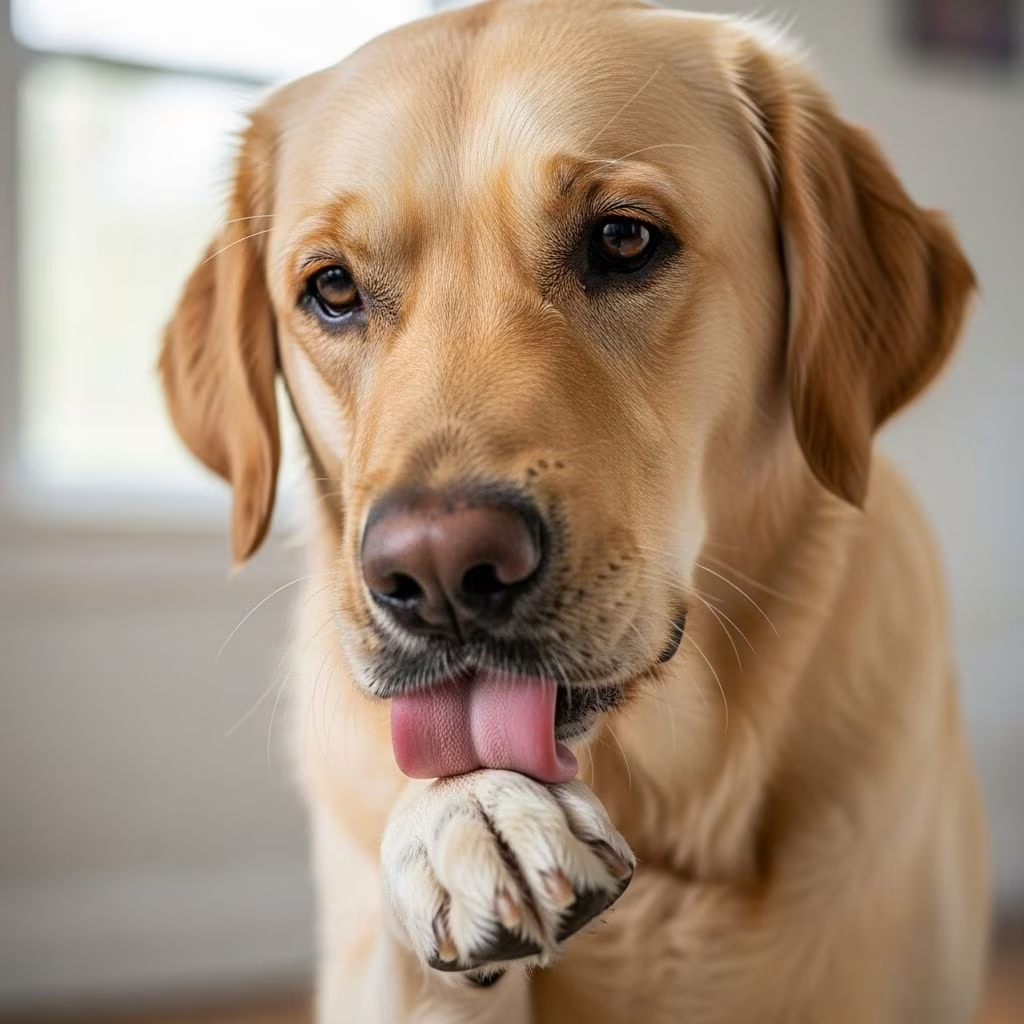
Excessive licking in dogs often signals more than just quirky behavior. It can stem from natural instincts, emotional distress, or underlying health problems that require prompt attention.
Normal vs. Problematic Licking Behaviors
Dogs lick to communicate affection, explore their world, or self-groom. A quick lick on your hand shows love, while grooming maintains hygiene. However, when licking becomes relentless—targeting paws, floors, walls, or even air—it disrupts daily life and may indicate distress.
Signs of concern include hair loss from over-grooming, red inflamed skin, constant paw chewing, or interruption of eating and play. Early recognition prevents escalation into infections or chronic habits.
Emotional and Behavioral Triggers
Many cases trace back to a dog’s mental state. Licking releases endorphins, offering comfort similar to a human hug during stress.
- Anxiety and Stress: Separation from owners, thunderstorms, or routine changes prompt coping licks. Dogs may target front paws for easy access.
- Boredom: Understimulated pups lick surfaces or owners out of habit, seeking salty skin flavors or novelty.
- Compulsive Disorders: Like human OCD, genetic factors plus stressors lead to nonstop licking of objects or self, hard to interrupt.
Behavioral licking often worsens in high-energy breeds without enough exercise or mental challenges.
Medical Conditions Behind the Habit
Rule out health issues first, as they mimic behavioral causes. Vets use exams, skin tests, and bloodwork for diagnosis.
Skin and Allergy Problems
Itchiness drives much excessive licking. Allergies top the list:
- Environmental Atopy: Pollen, dust, or mold causes paw and ear licking, often seasonal with secondary infections.
- Flea Allergy: Saliva hypersensitivity leads to intense groin or base-of-tail focus.
- Food Sensitivities: Year-round itching from proteins in diet.
Skin conditions like dry patches or hot spots (moist dermatitis) create a lick-chew cycle worsening irritation.
Infections and Parasites
Bacterial, yeast, or fungal overgrowth thrives in moist areas like toes or folds, causing discolored fur and discharge. Parasites such as fleas, ticks (Lyme risk), or mites prompt frantic licking.
Pain and Discomfort Signals
Dogs lick sore spots for endorphin relief:
| Body Area | Possible Pain Source | Accompanying Signs |
|---|---|---|
| Paws/Joints | Arthritis, injury | Limping, reluctance to jump |
| Abdomen/Flanks | GI upset, nausea | Vomiting, appetite loss |
| Mouth/Face | Dental issues, foreign objects | Drooling, bad breath |
| Genitals/Anal | Gland issues, UTIs | Scooting, straining |
Digestive and Systemic Issues
Up to 60% of chronic lickers have GI disorders like reflux or nausea, leading to air or surface licking. Endocrine problems (e.g., hypothyroidism) cause itchy skin and hair loss.
When to Consult a Veterinarian
Seek help if licking persists over days, causes skin damage, or pairs with lethargy, weight loss, or behavior changes. Vets may trial diets, meds, or tests like cytology for infections.
Diagnostic steps:
- Physical exam and history review.
- Skin scrapes, cytology, or biopsies.
- Blood tests for allergies or organ function.
- Joint pain trials with anti-inflammatories.
Practical Solutions and Management Strategies
Behavioral Interventions
Enrich environment with puzzle toys, longer walks, and training to redirect energy. For anxiety, desensitization or calming pheromones help. Severe OCD may need meds like fluoxetine.
Medical Treatments
- Allergies: Antihistamines, steroids, or immunotherapy shots.
- Infections: Topical/oral antibiotics, antifungals.
- Pain: NSAIDs, joint supplements.
- GI: Diet changes, antacids.
Prevent flea issues with monthly preventives. For hot spots, cone collars stop access.
Prevention Tips for Licking-Free Living
Maintain balance:
- Balanced diet to avoid deficiencies.
- Regular grooming and flea checks.
- Mental stimulation daily.
- Stress monitoring during changes.
Track patterns in a journal: What, when, where licked? This aids vets.
FAQs on Dog Licking
Is occasional licking normal?
Yes, for grooming or affection. Excess disrupts life.
Can diet cause excessive licking?
Absolutely—food allergies or poor nutrition trigger it.
How do I stop paw licking?
Check for allergies/infections first, then use boots or distractions.
Does breed matter?
High-drive breeds like Labs may lick more from boredom; OCD-prone in Dobermans.
Is air-licking serious?
Often GI or neurological—vet ASAP.
Long-Term Outlook
Most cases resolve with targeted care. Combine vet treatment and lifestyle tweaks for lasting relief. Monitor progress; adjust as needed for your dog’s unique needs.
References
- The Science Behind the Slurp: Why Dogs Engage in Excessive Licking — Rearoad Animal Hospital. 2023. https://www.rearoadanimalhospital.com/the-science-behind-the-slurp-why-dogs-engage-in-excessive-licking/
- 12 Reasons Dogs Lick Excessively and When to be Concerned — Pets Best. 2023. https://www.petsbest.com/blog/12-reasons-dogs-lick-excessively
- Excessive Licking, Chewing, and Grooming in Dogs — PetMD. 2024. https://www.petmd.com/dog/general-health/excessive-licking-chewing-and-grooming-dogs
- Dog Excessive Licking: Causes, Signs, and When to Worry — Mission Road Animal Clinic. 2023. https://www.missionroadanimalclinic.com/dog-excessive-licking-health-signs/
- Is It Normal? Why Dogs Engage in Excessive Licking Constantly — Riverbend Pet. 2024. https://www.riverbendpet.com/reasons-dogs-excessive-licking/
- What does it mean when dogs lick excessively? — Animal Medical Center of New York. 2021-07-07. https://www.amcny.org/blog/2021/07/07/what-does-it-mean-when-dogs-lick-excessively/
- Why Dogs Lick Their Privates — VCA Animal Hospitals. 2023. https://vcahospitals.com/know-your-pet/why-dogs-lick-their-privates



