

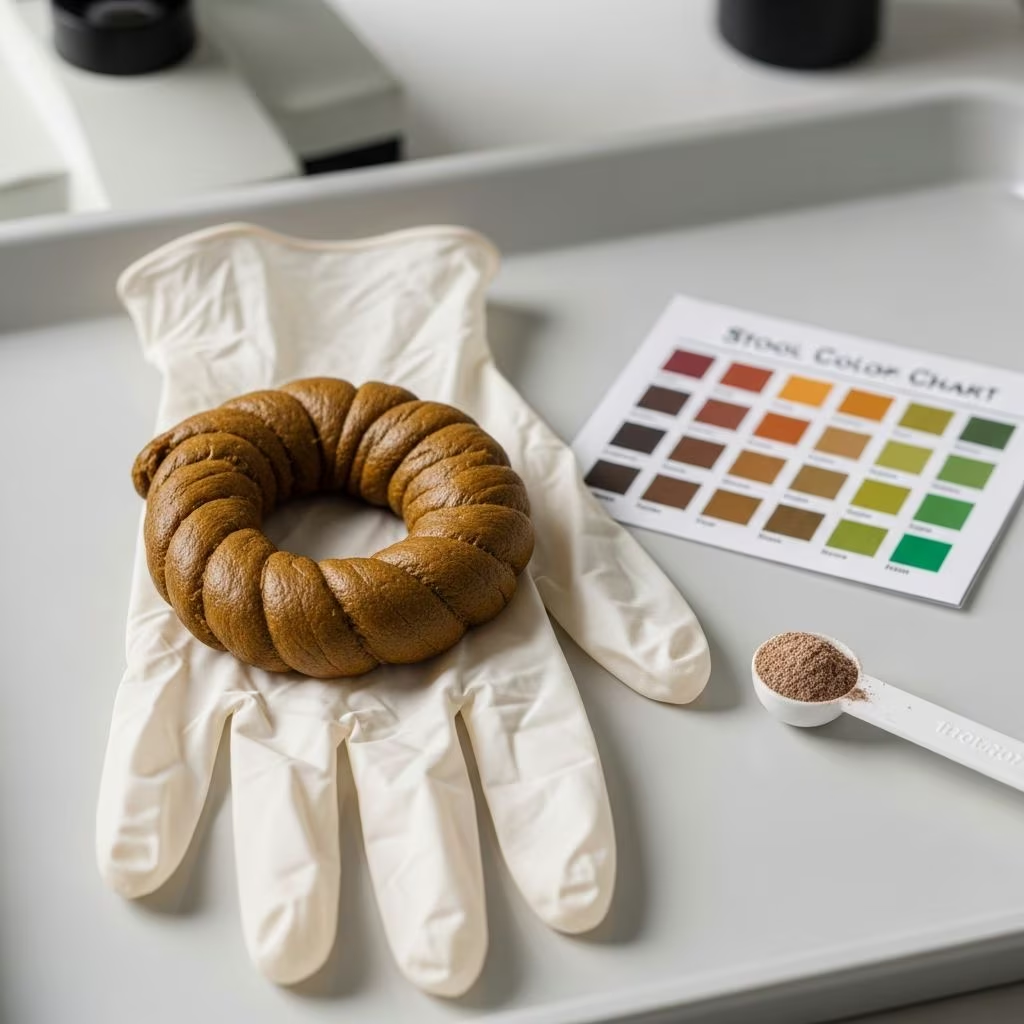
Your dog’s stool serves as a vital window into its overall health, reflecting diet quality, hydration levels, and potential medical concerns. By observing color, shape, texture, and other traits, pet owners can identify issues early, preventing minor problems from escalating.
Characteristics of Ideal Dog Stool
The benchmark for healthy canine feces is a firm, segmented log in shades of light to dark brown, resembling a sausage shape that’s easy to pick up without mess. This form indicates efficient digestion, proper nutrient uptake, and balanced gut bacteria. Smaller volumes with minimal odor often signal excellent food absorption and microbiome health.
- Color: Chocolate brown from bile pigments shows normal liver and gallbladder function.
- Shape: Log-like with visible segments, holding form when lifted.
- Texture: Moist yet firm, not crumbly or runny.
- Size/Frequency: Proportional to meals, typically 1-3 times daily without straining.
Deviations from this norm warrant attention, as they may stem from dietary shifts, stress, infections, or organ dysfunction.
Color Variations and Their Implications
Stool hue provides immediate clues about internal processes. While brown is optimal, other shades flag specific concerns.
| Color | Possible Causes | Action Needed |
|---|---|---|
| Brown | Normal digestion, bile processing | None; continue monitoring |
| Green | Grass ingestion, parasites, gallbladder problems | Observe 24-48 hours; vet if persistent |
| Yellow/Orange | Liver/bile duct issues, food intolerance | Vet evaluation recommended |
| Black/Tarry | Upper GI bleeding | Immediate vet visit |
| Gray/White | Excess calcium (bones), bile deficiency, pancreas problems | Reduce bones; consult vet |
| Red/Pink | Lower GI bleeding, parasites | Urgent veterinary care |
Green tones might arise innocently from grazing but could indicate infections if accompanied by diarrhea. Orange or yellow often ties to biliary or hepatic stress, urging professional checks. Black, sticky stools demand urgency due to bleeding risks. Pale or chalky output from raw diets high in bones links to calcium overload, potentially causing discomfort.
Analyzing Texture and Consistency
Beyond color, how stool feels reveals hydration and gut efficiency. Ideal is firm like Play-Doh, but extremes signal trouble.
- Hard Pellets: Dehydration, low fiber, or slow transit; increase water and veggies.
- Soft Blobs: Mild imbalance from diet changes or stress; often self-resolves.
- Watery/Diarrhea: Infections, toxins, or allergies; withhold food briefly, then vet.
- Greasy Shine: Fat malabsorption from pancreatic insufficiency.
Mucus presence, like jelly coating, points to colon inflammation or colitis, requiring dietary tweaks or meds. Undigested bits suggest rapid passage or enzyme shortages.
Odor, Volume, and Frequency Insights
Normal stool has a mild scent; pungent smells indicate bacterial overgrowth or poor protein breakdown. Excessive gas accompanies these, hinting at microbiome disruption.
Large, frequent poops may mean overfeeding or low-quality food with fillers. Scant output could reflect constipation from inadequate liquids or motion. Straining signals blockages—emergencies if prolonged.
Contents in Stool: Warning Signs
Inspect for anomalies:
- Blood Streaks: Bright red for lower tract issues; dark for upper.
- Worms/Segments: Parasites like tapeworms; deworm promptly.
- Foreign Matter: Swallowed objects risking obstruction.
These demand fecal tests and treatments to avert spread or complications.
Diet’s Role in Stool Quality
High-quality proteins and fibers promote firm, brown output. Raw bones excess leads to white poo and blockages. Sudden food switches cause loose stools; transition gradually over 7-10 days.
Probiotics support gut flora, reducing odor and diarrhea. Avoid table scraps triggering intolerances. Hydration via wet food or fountains prevents pebbles.
When to Seek Veterinary Help
Don’t ignore changes lasting over 48 hours or with symptoms like lethargy, vomiting, or appetite loss.
- Persistent abnormal color/texture.
- Blood, mucus, or parasites.
- Severe diarrhea/constipation with distress.
- Accompanying weight loss or bloating.
Vets use stool samples for parasites, bacteria, or occult blood tests, guiding diets or meds.
FAQs: Common Dog Stool Questions
What does green dog poop indicate?
Often grass eating, but persistent cases suggest parasites or gallbladder trouble—monitor and vet if needed.
Is black poop always serious?
Yes, tarry black signals upper GI bleed; rush to vet, though supplements can mimic mildly.
Why is my dog’s poop white?
Excess bone calcium or bile issues; cut bones and check with vet.
How does dehydration affect stool?
Causes hard, pellet-like feces; boost water intake.
Can stress change poop?
Yes, leading to soft or frequent stools; stabilizes with routine.
Preventive Tips for Optimal Digestion
Maintain consistency in feeding, exercise, and water. Annual fecal exams catch parasites early. Balanced diets with prebiotics foster healthy microbiomes.
Track stool weekly in a journal, noting diet correlations for personalized care.
References
- Dog poo decoded: colour, consistency and smell (vet …) — Lyka. 2023. https://lyka.com.au/blog/ultimate-poo-guide
- Dog Poop Color Chart: What’s Your Dog’s Poo Telling You? — Spot & Tango. 2024. https://www.spotandtango.com/blog/dog-poop-color-chart
- Unhealthy Dog Poop Chart: A Visual Guide to the 4 C’s — Earth Rated. 2023. https://www.earthrated.com/blogs/blog/unhealthy-dog-poop-chart-a-visual-guide-to-the-4-c-s
- The Ultimate Guide to What Your Dog’s Poop is Telling You — CVC Boca. 2024. https://www.cvcboca.com/the-ultimate-guide-to-what-your-dogs-poop-is-telling-you/
- How to Tell If Your Dog’s Poop Is Healthy — American Kennel Club. 2023-02-17. https://www.akc.org/expert-advice/health/dogs-poop-says-health/



