

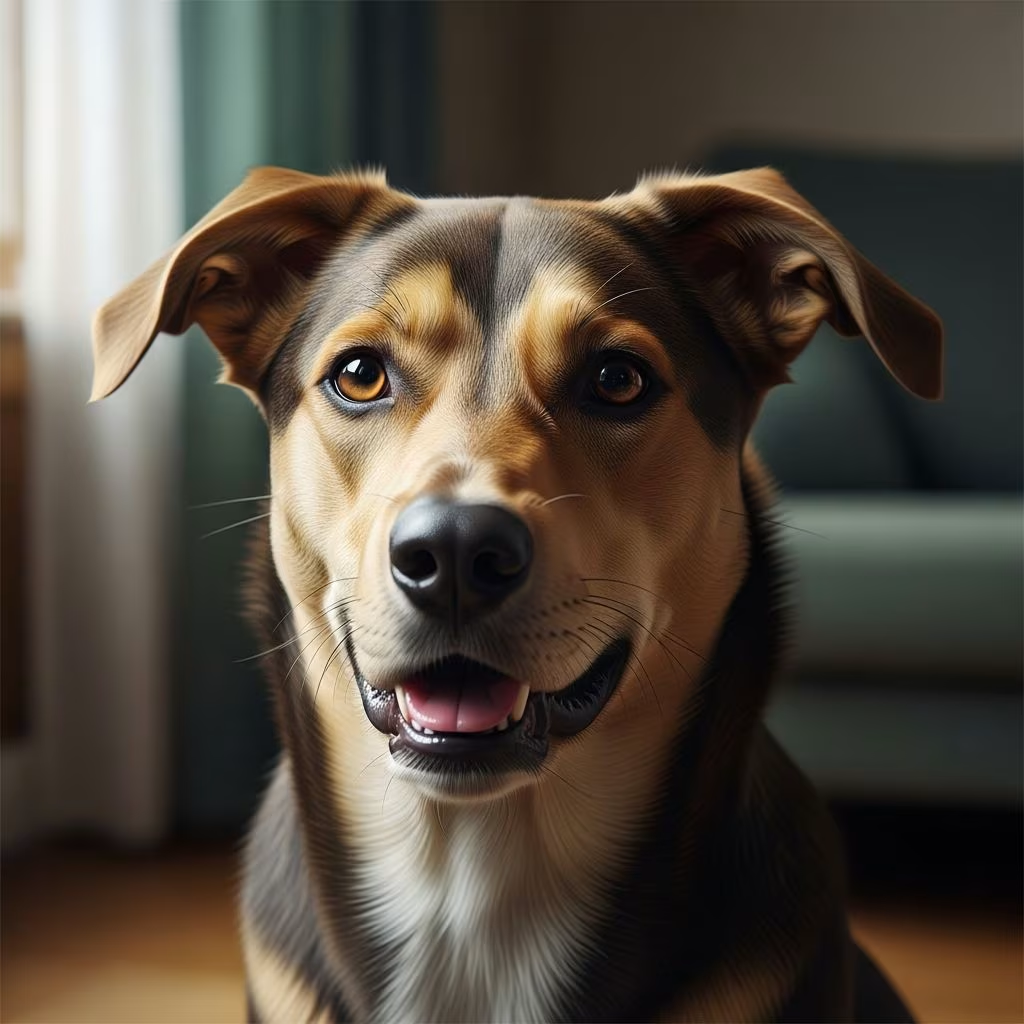
Decoding Dogs’ Body Language: Understanding Your Canine Companion
Dogs communicate with us constantly, but not through words. Instead, they rely on a complex system of body language that includes tail movements, ear positions, facial expressions, and overall posture. As a responsible dog owner, learning to decode these signals is essential for understanding your pet’s emotional state, ensuring their well-being, and building a stronger bond with them. By paying close attention to how your dog positions their body and moves through space, you can better interpret their emotions and intentions, which helps prevent misunderstandings and keeps both you and your dog safe.
The Importance of Reading Your Dog’s Body Language
Dogs cannot tell us in words when they’re anxious, excited, fearful, or content. Instead, they express themselves through a sophisticated language of physical cues. Understanding these cues is crucial for several reasons: it helps you recognize when your dog is stressed or anxious, allows you to identify when they want to play or rest, enables you to respond appropriately to their needs, and helps prevent behavioral problems before they escalate. Learning to read your dog’s body language transforms you into a more empathetic and responsive pet owner, creating a safer and happier environment for your canine companion.
Tail Position and Movement
The tail is one of the most expressive parts of your dog’s body, and different tail positions convey distinct messages:
Wagging Tail
While many people assume a wagging tail always means a happy dog, the truth is more nuanced. A wagging tail indicates arousal, but the direction and speed of the wag matter significantly. A slow, side-to-side wag that makes your dog’s entire body sway suggests relaxation and contentment—the kind of greeting you see when your dog welcomes you home. Conversely, a faster, more twitching wag can indicate higher arousal levels, which might be positive excitement or potentially negative tension, depending on other body language signals. A tail wagging in a circular motion is a particularly clear sign of extreme happiness and joy.
Raised Tail
A tail held high and rigid may indicate confidence or potentially arousal and alertness. The context is important here—a dog greeting you with a high tail might be happy and confident, while a dog in a tense situation with a high, stiff tail might be displaying dominance or aggression.
Tucked Tail
One of the clearest signs of fear, anxiety, or submission is a tail tucked tightly between the dog’s back legs. This posture makes the dog appear smaller and is often accompanied by other stress signals. A tucked tail is a dog’s way of saying, “I’m not a threat,” and it frequently appears in situations where the dog feels overwhelmed, scared, or unsure.
Ear Position and Movement
A dog’s ears are highly mobile and incredibly expressive, capable of communicating a wide range of emotions:
Ears Up and Forward
When your dog’s ears are perked up and pointing forward, they’re showing interest and alertness. This position indicates your dog is engaged with their surroundings, curious about something, or excited. For dogs with floppy ears, look at the base of the ears to see if they’re rotated forward even if the ear flap itself hangs down.
Ears Back or Pinned
Ears pulled back or flattened against the head can signal several emotions depending on context. Fear, anxiety, and submission are common interpretations when ears are pinned back. However, sometimes a dog with ears back is simply in a relaxed, friendly state, so always consider the complete picture of the dog’s body language rather than focusing on a single signal.
Ears Relaxed to the Side
When your dog’s ears are in a neutral position, neither forward nor back, it typically indicates a calm, content state. This relaxed ear position often appears in dogs who are simply observing their environment without intense focus or concern.
Facial Expressions and Eye Contact
Your dog’s face tells you a tremendous amount about their internal emotional state:
Soft Eyes
Soft, relaxed eyes with slightly squinted lids indicate a calm, content, and happy dog. This gentle gaze is often accompanied by other relaxed signals and suggests your dog is comfortable in their environment. Dogs showing soft eyes are typically in a positive emotional state and feel secure.
Wide Eyes and Whale Eye
When your dog’s eyes widen considerably or you can see the whites of their eyes (sometimes called “whale eye”), this typically indicates stress or fear. This expression is often accompanied by tension in the face and other stress signals. A dog displaying whale eye may be uncomfortable or anxious about a situation.
Hard Stare
A hard, intense stare, particularly one that’s fixed and unblinking, can signal a threat or guarding behavior. This is distinctly different from a soft gaze and might appear when a dog is protecting a resource or feeling aggressive. The intensity and context of the stare determine its meaning.
Direct vs. Averted Gaze
Direct eye contact can mean different things depending on the softness of the eyes. Soft, direct eye contact shows trust and affection, while hard, intense direct contact might indicate a challenge or threat. Conversely, avoiding eye contact often signals stress, anxiety, or appeasement.
Head and Neck Position
The position and movement of your dog’s head communicate intent and emotional state:
Relaxed Head
A dog with a relaxed head and neck position, held in a natural neutral stance, is generally comfortable and at ease. This relaxed positioning suggests your dog feels safe and confident in their current situation.
Head Tilt
That adorable head tilt your dog does is actually a sign of curiosity or confusion. When your dog tilts their head, they’re trying to understand something—perhaps a sound they heard or something you said. It’s a sign of attentiveness and indicates your dog is actively processing information.
Lowered Head
A lowered head, especially when paired with a cowering body posture, indicates submission, fear, or appeasement. The lower your dog holds their head, the more submissive or fearful they may be feeling. This is often accompanied by other stress signals like a tucked tail and pinned ears.
Body Posture and Movement
Your dog’s overall body position and the way they move reveals crucial information about their state of mind:
Play Bow
One of the most recognizable and positive signals is the play bow—when a dog places their chest on the ground with their rear end elevated in the air. This is an invitation to play, whether directed at another dog or at you. A dog in a play bow is showing they want interaction and fun.
Cowering and Crouching
A dog hunched low to the ground with their body curved downward is displaying fear or stress. This posture makes the dog appear smaller and is a defensive stance that says, “I mean no harm.” Cowering often indicates the dog is trying to escape from something or someone they perceive as threatening.
Weight Distribution
How your dog distributes their weight tells you about their readiness and intentions. An alert dog will have weight distributed evenly in a “ready” position as they assess their surroundings and determine their next move. A relaxed dog will have a loose, waggy posture with weight naturally distributed. A dog leaning on you indicates comfort, trust, and contentment.
Paw Raise
A raised paw often indicates uncertainty, insecurity, or hesitation about a situation. Outside of pointing behavior in certain breeds, a dog lifting one paw is frequently expressing mild anxiety or doubt rather than positive emotions.
Raised Hair and Piloerection
When the hair along your dog’s back or shoulders stands on end, this is called piloerection or “raised hackles.” This indicates heightened arousal and can stem from several emotions: fear, excitement, aggression, or intense interest. The context and other body language signals help determine which emotion your dog is experiencing. While raised hackles might indicate excitement during play, they could also signal fear or aggression in other situations, making it essential to consider the complete picture.
Calming Signals and Stress Indicators
Dogs display various signals when they’re trying to calm themselves or communicate stress:
Calming Signals
Calming signals are behaviors dogs use to reduce tension and show they mean no harm. These include:
- Looking away or averting gaze
- Turning away from a perceived threat
- Moving in a curve rather than a direct line
- Slow, deliberate movements
- Freezing in place
- Lip smacking or licking
- Sniffing the ground
- Raising one paw
- Scratching or shaking off
Stress and Distress Signals
Stressed dogs may display exaggerated yawns, frequent lip licking, sneezing, or shake their bodies as if wet. They might focus excessively on self-grooming, scratch themselves repeatedly, or show tension around the mouth and lips. A stressed dog may also display what’s called an “appeasement grin”—where they pull back their lips to show their front teeth in what looks like a smile but is actually a sign of deference and anxiety.
Understanding Context is Key
The most important principle in reading dog body language is understanding that no single signal means the same thing in isolation. A wagging tail might mean excitement when your dog greets you but could indicate agitation or uncertainty in a tense situation. Always look at the whole picture—consider your dog’s head position, ear placement, eye expression, tail movement, overall body posture, and the environmental context. Additionally, consider the specific situation your dog is in. A dog at the veterinarian’s office may show different body language than the same dog playing in the park.
Signs of a Calm and Content Dog
When your dog is happy and relaxed, you’ll typically observe:
- Soft, squinting eyes or direct soft gaze
- Ears in a natural, relaxed position
- Slow, gentle tail wags that may involve the whole body
- Relaxed mouth, possibly slightly open or panting gently
- Loose, waggy body posture
- Leaning on you or lying down
- Rolling over to show their belly
- Circular tail wags indicating extreme happiness
A content dog appears loose and engaged with their surroundings, and their overall demeanor suggests they feel safe and secure in their environment.
Signs of Anxiety, Fear, or Stress
When your dog is anxious or stressed, watch for:
- Averted or indirect eye contact
- Whale eye or wide eyes showing the whites
- Ears pinned back or flattened
- Tucked tail held low or between legs
- Lowered or tucked body posture
- Tension around the mouth and face
- Lip licking or excessive drooling
- Freezing or slow, cautious movements
- Panting or difficulty focusing
These signals indicate your dog is uncomfortable or fearful and may benefit from being removed from the stressful situation or given space to calm down.
Alert and Attentive Body Language
When your dog is alert and interested in something, you’ll notice:
- Ears perked up and pointed forward
- Eyes wide open and focused with a relaxed forehead
- Mouth closed without tension
- Tail extended from the body, even with the spine, possibly wagging slightly
- Even weight distribution in a ready position
An alert dog is assessing their surroundings and gathering information about what’s happening around them.
The Role of Vocalization in Body Language
While not strictly body language, vocalizations work alongside physical signals to complete the communication picture. Barking, growling, whining, and other sounds should always be interpreted in context with the dog’s physical posture. A playful bark during an energetic play session differs dramatically from a warning bark with raised hackles and tense posture.
Building Better Communication With Your Dog
By learning to read and interpret your dog’s body language, you create a foundation for better communication and understanding. Recognize when your dog is happy and wants to play, respect when they’re showing stress signals and need space, and respond appropriately to their needs. This heightened awareness helps you prevent conflicts, identify health or behavioral issues early, and strengthen your bond through better mutual understanding.
Frequently Asked Questions
Q: Does a wagging tail always mean a happy dog?
A: No, a wagging tail indicates arousal, not necessarily happiness. The speed, position, and context matter significantly. A slow wag may indicate uncertainty, while a fast, high wag suggests enthusiasm. Always consider other body language signals alongside tail movement.
Q: What does it mean when my dog raises one paw?
A: A raised paw often indicates uncertainty or insecurity about a situation. Outside of pointing behavior in certain breeds, it’s frequently a sign of mild anxiety or hesitation rather than a positive signal.
Q: How can I tell if my dog is stressed?
A: Stressed dogs show multiple signals including averted eye contact, pinned ears, tucked tail, tension around the mouth, lip licking, freezing, and difficulty focusing. Look for a combination of these signals rather than relying on just one.
Q: What is whale eye in dogs?
A: Whale eye refers to when you can see the whites of a dog’s eyes, indicating stress or fear. This is often accompanied by tension in the face and other stress signals, suggesting your dog is uncomfortable.
Q: Is direct eye contact with my dog good or bad?
A: Direct eye contact depends on context. Soft, direct eye contact shows trust and affection, while hard, intense staring can indicate a threat or challenge. Always consider the softness of the eyes and overall body language.
Q: What does the play bow mean?
A: A play bow, where a dog places their chest on the ground with their rear end elevated, is an invitation to play. It’s a positive signal indicating your dog wants interaction and fun with you or another dog.
Q: How do I know if my dog feels safe around me?
A: A dog that feels safe will display soft eyes, relaxed ears, a loose and waggy posture, and may lean on you or lie down nearby. They’ll seem engaged with their surroundings and display a generally calm demeanor.
References
- A Guide to Understanding Your Furry Friend: How Behavioral Cues Help Us Understand Dogs — Beyond the Leash. 2024-08-15. https://beyondtheleash.dog/2024/08/15/decoding-dog-communication-a-guide-to-understanding-your-furry-friendhow-behavioral-cues-help-us-understand-dogs/
- Understanding Your Dog’s Body Language: A Guide To Canine Communication — Texas A&M AgriLife. 2025-03-13. https://stories.tamu.edu/news/2025/03/13/understanding-your-dogs-body-language-a-guide-to-canine-communication/
- Understanding Dog Body Language: Decipher Dogs’ Signs and Signals — American Kennel Club. 2024. https://www.akc.org/expert-advice/training/how-to-read-dog-body-language/
- How To Read a Dog’s Body Language — PetMD. 2024. https://www.petmd.com/dog/behavior/how-to-read-dog-body-language
- Canine Body Language — Positively.com. 2024. https://positively.com/dog-training/article/communication-canine-body-language



