

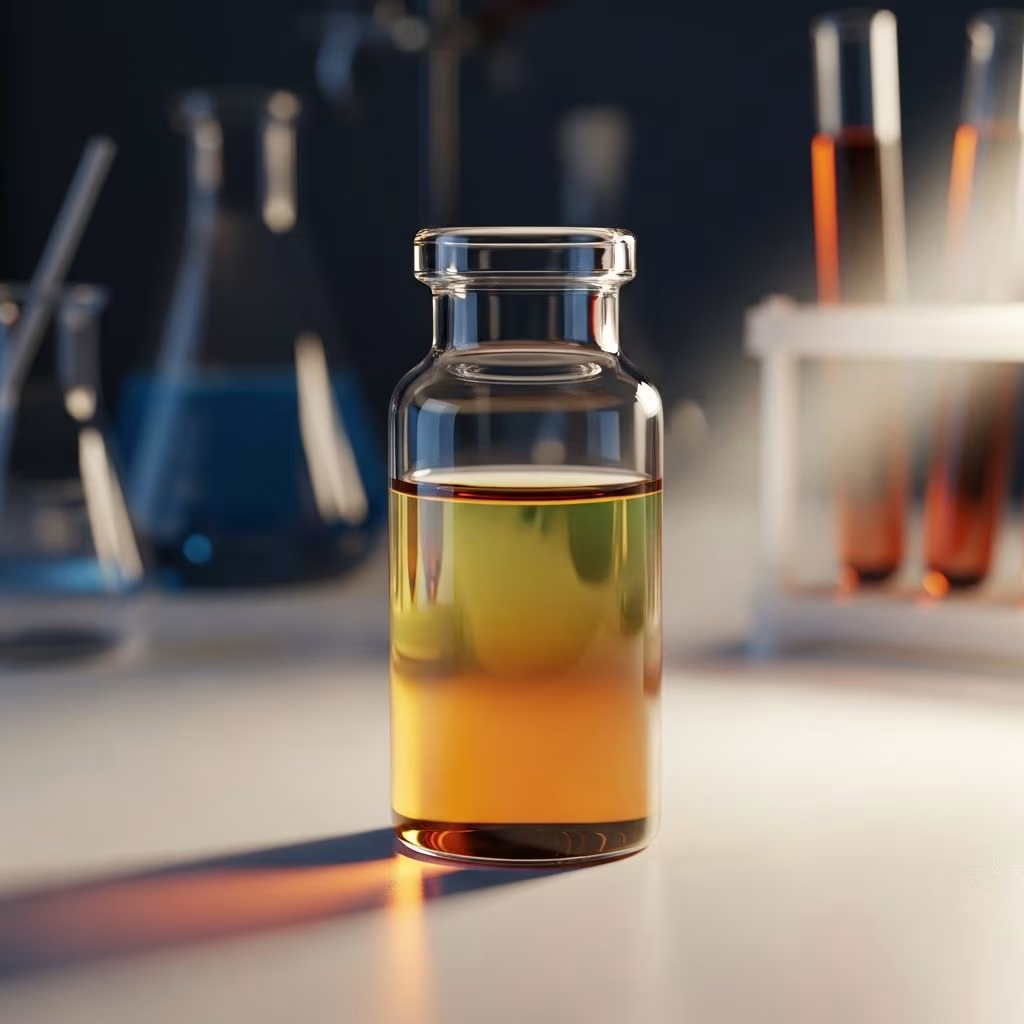
Observing your dog’s urine provides key insights into their hydration, kidney function, and overall wellness. Changes in color or odor often signal issues ranging from simple dehydration to severe infections or organ problems. This guide breaks down common variations, their causes, and action steps to keep your pet thriving.
Normal Urine Characteristics in Dogs
Healthy canine urine typically appears as a transparent **pale yellow to amber** shade, reflecting proper hydration and kidney efficiency. This color comes from urochrome, a pigment produced during normal metabolism. The urine should be clear without cloudiness or particles, and it usually has a mild odor.
- Hydration link: Well-hydrated dogs produce lighter urine, while slight concentration darkens it to amber without concern.
- Daily norms: Minor shifts occur with diet or activity, but consistency is key for health monitoring.
Regular checks during walks help establish your dog’s baseline, making abnormalities easier to spot early.
Variations in Urine Color and Their Implications
Deviations from the standard yellow-amber range warrant attention. Here’s a breakdown of frequent colors observed in dogs.
| Urine Color | Possible Causes | Recommended Action |
|---|---|---|
| Light/Clear | Overhydration, diabetes, kidney problems, Cushing’s | Monitor intake; vet if frequent urination persists |
| Dark Yellow | Dehydration, concentrated urine | Increase water; recheck in 24 hours |
| Bright Yellow | Foods, vitamins | Observe; contact vet if ongoing |
| Orange | Bilirubin excess, liver/gallbladder issues, hemolytic anemia, dehydration | Urgent vet exam |
| Red/Pink | Blood (hematuria), UTI, stones, trauma, cancer, heat cycle | Immediate vet unless female in estrus |
| Brown/Black | Muscle breakdown (rhabdomyolysis), hemolysis, heat stroke, toxins | Emergency care |
| Green | Liver disease, Pseudomonas infection | Urgent veterinary attention |
| Cloudy/Milky | Crystals, infection, mucus, semen | Vet urinalysis needed |
This table summarizes findings from veterinary sources, emphasizing prompt response to non-yellow hues.
Pale or Colorless Urine Insights
Excessively dilute urine suggests the kidneys aren’t concentrating waste properly, possibly due to endocrine disorders like diabetes or kidney failure. Owners might notice increased thirst and urination alongside this. Tracking water bowl levels helps quantify changes.
Concentrated Dark Shades
Dark yellow signals mild fluid loss from heat, exercise, or illness-related vomiting. Simple remedies like adding wet food moisture often resolve it, but persistent cases need professional input.
Alarming Red and Pink Tones
Blood-tinged urine demands quick evaluation, as causes span infections to prostate problems in males or tumors. Females in heat may show this naturally, but rule out pathology.
Understanding Urine Odor Changes
Beyond visuals, smell offers diagnostic clues. Normal urine has a subtle scent; strong or unusual odors indicate underlying troubles.
- Sweet or fruity: Diabetes, where high glucose spills into urine.
- Foul/ammonia-like: Bacterial UTIs or crystals building up.
- Musty or metallic: Liver dysfunction or blood breakdown products.
- Strong fishy: Urinary crystals or rare infections.
Combine odor with color for fuller assessment—cloudy foul urine screams infection.
Why Odors Develop
Bacteria multiply in stagnant bladder conditions, producing ammonia. Metabolic wastes from diabetes ferment into sweets. Liver issues release distinct compounds altering scent profiles.
Associated Symptoms Requiring Immediate Action
Don’t isolate urine checks—pair with behavior. Seek care if seeing:
- Straining or frequent small voids.
- Crying during elimination.
- Accidents in house-trained dogs.
- Lethargy, vomiting, jaundice.
- Appetite loss or abdominal discomfort.
These amplify urine signals, pointing to systemic crises like blockages or toxemia.
Home Monitoring Best Practices
Empower yourself with routine surveillance:
- Collect samples: Use a clean container mid-stream on walks.
- Assess visuals: Note color, clarity, volume against baseline.
- Sniff test: Compare to normal without contaminating.
- Log patterns: Track over days with photos or notes.
- Over-the-counter strips: Check pH, glucose preliminarily, but not diagnostically.
Store samples cool for vet transport if delaying visit.
Veterinary Diagnostic Approaches
Professionals start with urinalysis: microscopy for cells/crystals, culture for bacteria, chemistry for proteins/glucose. Bloodwork, ultrasounds follow for organ views. Early intervention via antibiotics, fluids, or diets halts progression.
Preventive Strategies for Urinary Health
Proactive steps reduce risks:
- Unlimited fresh water access.
- Balanced diet avoiding excess minerals.
- Regular exercise for bladder tone.
- Annual vet checkups with urine screens.
- Neutering to curb prostate woes.
Breed awareness matters—Dalmatians prone to stones, others to infections.
Frequently Asked Questions
What if my dog’s urine is occasionally dark?
One-off darkening from heat or low intake is common; hydrate and watch. Persistent needs vet.
Can diet change urine color?
Yes, beets or vitamins tint it; monitor for resolution.
Is cloudy urine always serious?
Often infection or crystals, but sediment tests confirm.
How often should I check urine?
Weekly for seniors, monthly otherwise, daily if symptomatic.
Does age affect urine norms?
Older dogs risk dilution from kidney wear; vigilant monitoring essential.
Key Takeaways for Pet Owners
Mastering urine analysis empowers timely care. Normal is pale yellow-amber, mild smell; anomalies like red, brown, or stench trigger vet calls. Prevention via hydration and routine exams sustains health.
References
- Dog Urine Color Chart: What Specific Shades Mean — Great Pet Care. 2023. https://www.greatpetcare.com/dog-health/dog-urine-color-chart/
- Pet Urinalysis Color Chart: 5 Essential Signs of Pet Health — The Pet Vet. 2024. https://thepetvet.com/pet-urinalysis-color/
- Pet Urine Health Clues: 2025 Vet-Approved Diagnostic Guide — Ask A Vet. 2025-01-01. https://askavet.com/blogs/news/pet-urine-health-clues-2025-vet-approved-diagnostic-guide-%F0%9F%90%95%F0%9F%92%A6
- What Does Your Dog’s Urine Color Mean? — Pet Health Network. 2023. https://www.pethealthnetwork.com/dog-health/dog-checkups-preventive-care/what-does-your-dogs-urine-color-mean
- Decoding Your Dog’s Urine Color — Animal Wellness Magazine. 2024. https://animalwellnessmagazine.com/decoding-your-dogs-urine-color/
- Understanding Urinalysis in Dogs — Morris Animal Foundation. 2024. https://www.morrisanimalfoundation.org/article/importance-of-urinalysis-for-pets



