

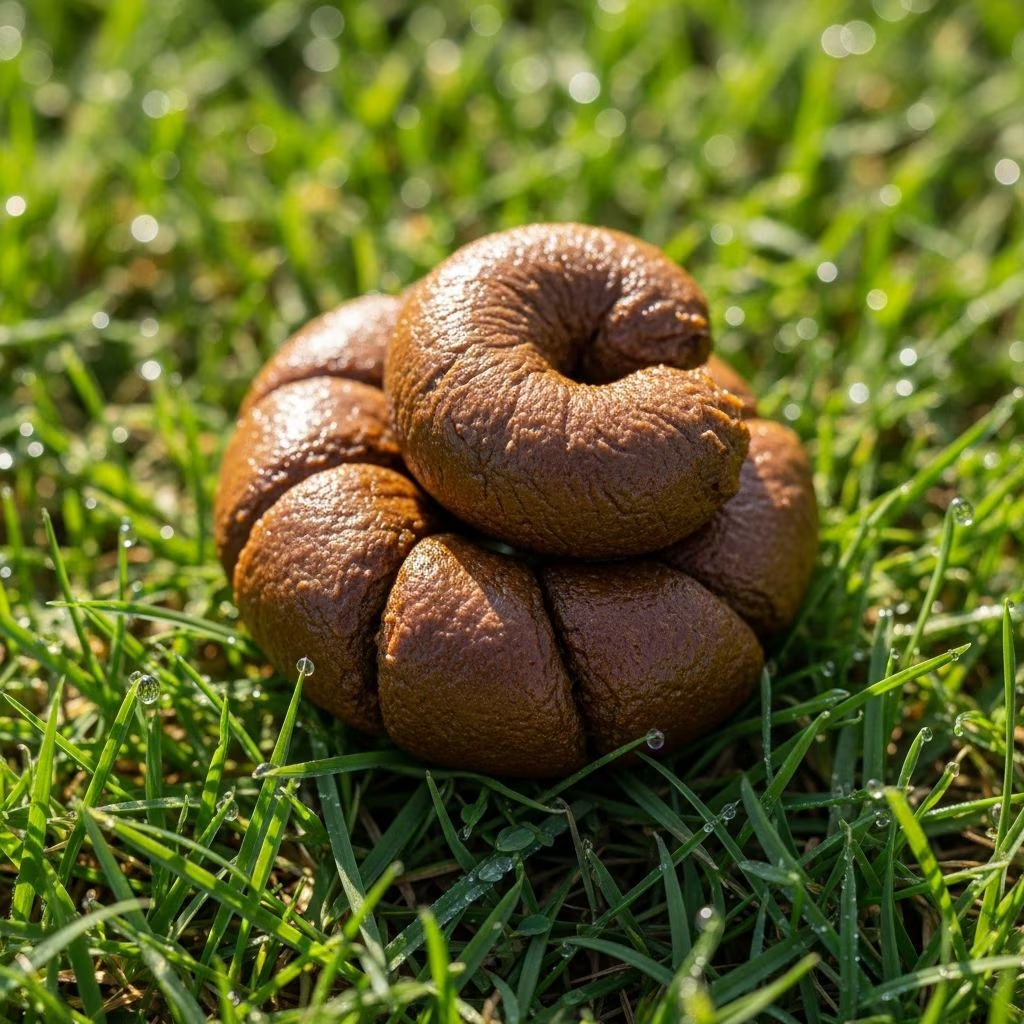
Your dog’s stool offers a direct window into its digestive health. Monitoring feces regularly helps detect issues early, ensuring your pet remains vibrant and active. Ideal stool reflects balanced nutrition, proper hydration, and a thriving gut microbiome.
Key Traits of Optimal Canine Feces
Healthy dog poop shares consistent characteristics across breeds and ages. It serves as a benchmark for gastrointestinal function, indicating efficient food breakdown and nutrient absorption.
- Color: Uniform chocolate brown from bile pigments during digestion.
- Shape: Log-like or segmented, maintaining form when handled.
- Texture: Firm yet pliable, similar to modeled clay, easy to scoop without residue.
- Odor: Mild, not overpowering, signaling complete digestion.
- Frequency: At least once daily, with effortless squatting posture and no straining.
These features stem from a well-hydrated system processing high-quality diet effectively. Deviations warrant attention to prevent escalation.
Understanding Color Variations
Stool hue derives primarily from bilirubin in bile, processed by the liver and gallbladder. Normal shades range from medium to dark brown, influenced slightly by diet but stable otherwise.
| Color | Possible Cause | Action Needed |
|---|---|---|
| Chocolate Brown | Normal bile processing | None – ideal |
| Green | Grass ingestion, gallbladder issues, or toxins | Monitor diet; vet if persistent |
| Yellow/Orange | Liver/pancreas problems, food intolerance | Seek veterinary evaluation |
| Gray/Greasy | Malabsorption, excess dietary fat, pancreatic disorder | Immediate vet check |
| Black/Tarry | Upper GI bleeding | Emergency care |
| Red Streaks | Lower GI blood, anal injury | Examine area; consult vet |
| White/Chalky | Excess minerals, raw diet imbalance | Adjust diet, vet review |
Observe patterns over days, as single instances may tie to recent meals.
Assessing Shape and Consistency
Form and firmness reveal transit speed through the intestines and water reabsorption rates. The Bristol Stool Scale, adapted for dogs, rates ideal output as type 2: smooth, sausage-shaped with cracks.
- Firm Log (Ideal): Indicates balanced fiber and hydration; picks up cleanly.
- Soft/Pudding-like: Often from diet shifts, stress, or mild bacterial imbalance; usually self-resolves.
- Watery/Diarrhea: Signals irritation, parasites, allergies, or infections; fast for 24 hours then bland diet.
- Hard/Pebble: Points to dehydration, low fiber, or joint pain in seniors affecting posture.
Diet profoundly impacts this: high-quality proteins, fibers, and probiotics promote firmness. Raw diets often yield smaller, denser stools versus kibble.
Diet’s Role in Stool Quality
Nutrition forms the foundation of digestive health. Ingredients like soluble/insoluble fibers regulate motility, while probiotics support gut flora balance.
Essential components include:
- High-quality proteins for complete digestion.
- Digestible carbs for energy without excess waste.
- Balanced fats to avoid greasy output.
- Pre/postbiotics for microbiome stability.
- Adequate hydration – always provide fresh water.
Avoid sudden changes or table scraps, which disrupt flora and cause softness. Hypoallergenic, single-protein formulas benefit sensitive dogs.
Frequency and Pooping Behavior
Normal dogs defecate 1-5 times daily, proportional to intake. Watch posture: smooth squat without prolonged straining or circling signals health.
Issues include:
- Infrequent/Hard Straining: Constipation from low fiber or dehydration.
- Excessive/Urgent: Colitis, infections, or stress.
- Accidents Indoors: Potential incontinence or cognitive decline in elders.
Track alongside symptoms like lethargy or appetite loss.
Spotting Abnormal Contents
Beyond basics, inspect for intruders:
- Mucus: Intestinal inflammation or allergies.
- Blood: Parasites, polyps, or ulcers – color indicates source.
- Worms/White Segments: Tapeworms; deworm promptly.
- Undigested Food: Poor enzyme activity or rapid transit.
- Foreign Objects: Scavenging hazard.
These demand fecal testing at the vet.
When to Contact a Veterinarian
Transient changes often resolve with rest and diet tweaks. Persist beyond 24-48 hours, or accompany vomiting, weight loss, or pain? Seek professional help immediately.
Urgent signs:
- Blood or black stool.
- Persistent diarrhea/constipation.
- Unusual colors/textures.
- Visible parasites.
- Straining with no output.
Vets use exams, fecal analysis, and imaging for diagnosis.
Practical Tips for Better Digestion
Proactive steps maintain ideal stool:
- Feed consistent, premium diet suited to age/breed.
- Incorporate fiber gradually (pumpkin, veggies).
- Ensure unlimited water; wet food boosts moisture.
- Exercise daily to stimulate bowels.
- Minimize stress with routines.
- Annual deworming/fecal checks.
Supplements like probiotics aid recovery.
Frequently Asked Questions
What if my puppy’s poop is softer than an adult’s?
Puppies process milk/formulas differently; firm up with age-appropriate food. Persistent softness needs vet review for parasites.
Does raw diet change stool appearance?
Yes, often smaller/denser due to high digestibility, but monitor for chalkiness from bone excess.
Is green poop always bad?
Not if from grass; recurring suggests gallbladder/liver issues.
How much poop is normal?
Proportional to meals; 1-2 logs daily typical.
Can treats cause stool changes?
Absolutely – fatty/human foods soften stool. Limit to 10% calories.
Monitoring Tools for Pet Owners
Use apps or journals to log stool daily, noting diet/activity. Share with vets for trends.
Visual aids like charts help beginners identify norms versus concerns.
References
- Understanding Your Dog’s Poop: A Guide to What’s Normal, What’s Not, and When to Call the Vet — Neighborhood Vet Clinic. 2023. https://www.neighborhoodvetclinic.com/pet-education/understanding-your-dogs-poop-a-guide-to-whats-normal-whats-not-and-when-to-call-the-vet/
- Understanding Your Dog’s Poop: A Comprehensive Guide to Color, Consistency and Behaviour — Prime100. 2024. https://prime100.com/blogs/blog/understanding-your-dogs-poop-a-comprehensive-guide-to-color-consistency-and-behaviour
- Dog Poop 101 – What’s Healthy, What’s Not — Allure Veterinary Partners. 2023. https://www.allureveterinarypartners.com/blog/dog-poop-101-whats-healthy-whats-not/
- How to Tell If Your Dog’s Poop Is Healthy — American Kennel Club (AKC). 2024-02-17. https://www.akc.org/expert-advice/health/dogs-poop-says-health/
- What Should My Dog’s Poop Look Like? — PetMD. 2024. https://www.petmd.com/dog/care/how-should-my-dogs-poop-look
- Healthy Dog Poop Chart: In Search of the Perfect Poop — Scrumbles. 2023. https://scrumbles.co.uk/blogs/dog/healthy-dog-poop-chart-in-search-of-the-perfect-poop



