

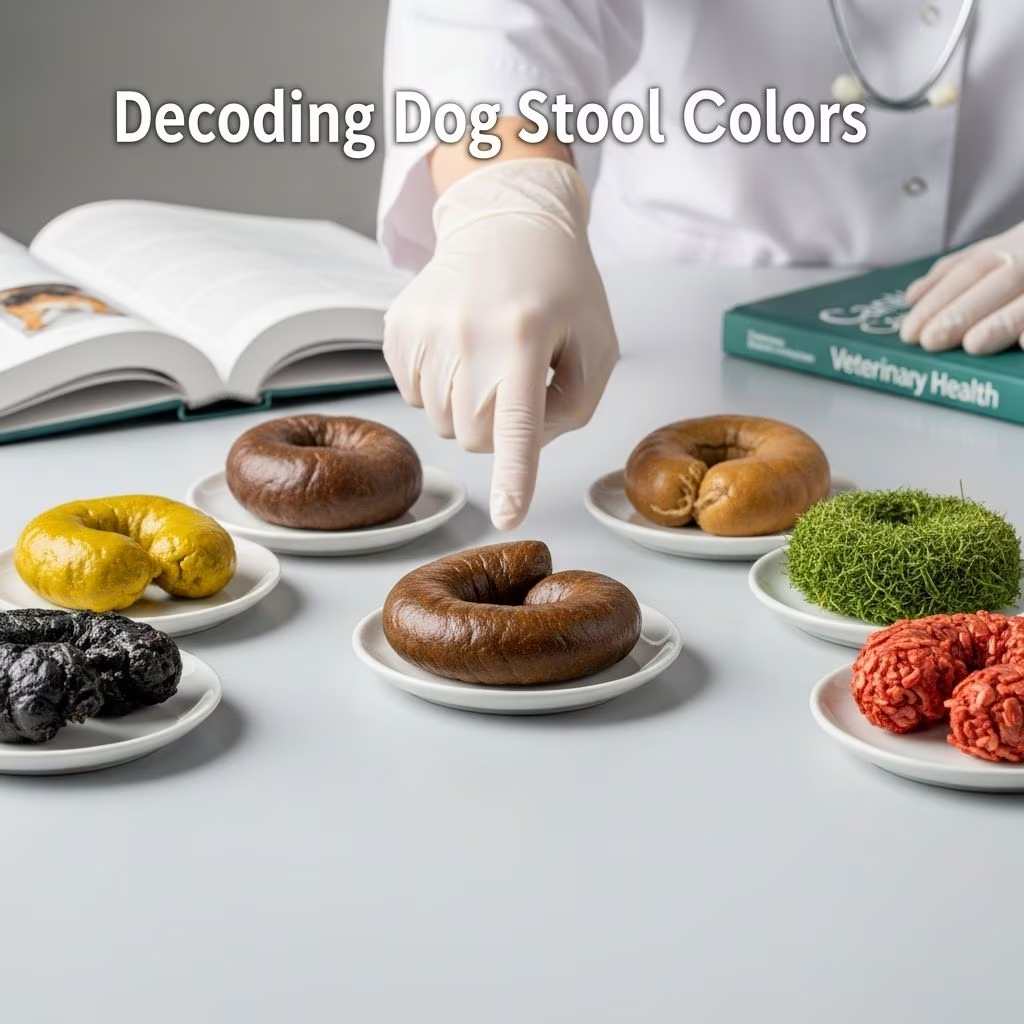
Your dog’s stool offers a window into their internal health. Monitoring its color provides early clues to digestive efficiency, organ function, and potential diseases. Normal stools reflect balanced digestion, while deviations signal issues needing attention.
Characteristics of Healthy Canine Stool
Ideal dog feces appear as firm, log-shaped segments in a chocolate-brown shade. This color stems from bile pigments processed during digestion. The stool maintains shape when handled, indicating proper moisture and nutrient absorption.
- Firm yet pliable texture
- Uniform brown coloration
- Segmented, sausage-like form
- Easy to scoop with minimal residue
Slight shade variations occur from diet, but drastic changes warrant scrutiny. Healthy poop correlates with overall vitality, efficient gut bacteria, and organ harmony.
Why Stool Color Matters for Diagnosis
Bile from the liver and gallbladder imparts the standard brown hue via bilirubin breakdown. Disruptions in this process alter color, pointing to specific problems. For instance, rapid transit through intestines preserves green bile tones, while blood introduces red or black.
Veterinarians use stool color alongside consistency and frequency to diagnose conditions like infections, parasites, or organ failure. Daily observation during walks empowers owners to detect changes promptly.
Black or Tarry Stools: Upper GI Bleeding Alerts
Dark, sticky black feces, termed melena, arise from digested blood originating in the stomach or upper intestines. Enzymes break down hemoglobin, yielding this distinctive appearance. Causes include ulcers, tumors, or ingested toxins.
Immediate veterinary evaluation is essential, as this signals significant blood loss. Diagnostic tests like endoscopy or bloodwork follow. Do not delay if this persists beyond one elimination.
Bright Red Streaks: Lower Intestinal Concerns
Fresh blood appears as vivid red on stool surfaces or mixed within, often from the colon or rectum. Common triggers encompass colitis, parasites, polyps, or trauma from hard stools.
- Colitis from diet shifts or stress
- Parasitic worms damaging mucosa
- Anal gland issues or constipation
While less urgent than black stools, persistent red demands fecal analysis and deworming if indicated.
Green Poop: Dietary or Gallbladder Flags
Green hues frequently result from grass consumption or rapid digestion preventing bile alteration. Food dyes or certain poisons like rodenticides also contribute. Accompanying symptoms like vomiting elevate concern for gallbladder dysfunction.
Monitor for recurrence; isolated instances post-grass eating prove benign. Veterinary input advised if diet unchanged.
Yellow or Orange Indications: Liver and Digestion Warnings
Yellow-orange stools suggest bile deficiencies or accelerated gut motility from intolerances or infections. Liver impairment hinders pigment production, while pancreatic issues impair fat digestion.
Greasy texture often accompanies, signaling malabsorption. Blood tests assess liver enzymes; dietary trials pinpoint allergies.
Gray or White Stools: Pancreatic and Bile Duct Issues
Pale gray feces indicate insufficient bile reaching the intestines, often from blockages, pancreatic insufficiency, or excessive bone consumption yielding white calcium specks.
These greasy, foul-smelling stools require urgent imaging and enzyme supplements. Parasites may mimic with white segments.
Other Unusual Colors and Their Implications
| Color | Possible Causes | Action Steps |
|---|---|---|
| Purple | Beets or pigments; rare deeper issues | Review diet; vet if persistent |
| White specks | Calcium excess; tapeworms | Fecal exam for parasites |
| Mottled | Malnutrition; infections | Full health check |
Factors Influencing Normal Variations
Diet profoundly impacts hue: blueberries yield bluish tints, carrots orange undertones. Hydration affects firmness; dyes from treats pass through unchanged. Age, breed, and medications also play roles.
Track changes against recent inputs. Puppies and seniors show more fluctuations due to developing or declining systems.
Assessing Stool Alongside Color
Color alone insufficient; evaluate consistency using scales like the Bristol Stool Chart adapted for dogs. Type 3-4 (smooth sausage) ideal; watery signals diarrhea, pebble-like constipation.
- Observe frequency: 1-5 times daily normal
- Note straining or urgency
- Check for mucus, undigested food
When to Contact a Veterinarian
Seek care if abnormal color spans 2+ days, pairs with lethargy, appetite loss, vomiting, or weight decline. Puppies, seniors, or chronic illness patients merit quicker response.
Prepare details: color photos, diet log, symptom timeline aid diagnosis. Fecal samples enable parasite screening.
Preventive Measures for Optimal Gut Health
Consistent high-quality diet minimizes disruptions. Probiotics support microbiome balance; fiber aids regularity. Routine deworming and vaccinations thwart infections.
Annual checkups catch subclinical issues. Hydration via fresh water prevents hard stools.
Common Myths About Dog Poop Colors
Myth: All color changes dietary. Reality: Persistent shifts demand investigation beyond food.
Myth: Grass eating always harmless. Reality: Compulsive grazing signals nausea or deficiencies.
FAQs on Canine Stool Monitoring
What is the healthiest dog poop color?
Chocolate brown indicates optimal digestion.
Is green poop always bad?
Often from grass, but recurring green needs vet review.
How long to watch black stool before calling vet?
Immediately; it signifies bleeding.
Can treats cause yellow poop?
Yes, dyes or intolerances; monitor persistence.
What if stool has white spots?
Likely parasites or calcium; test feces.
Tools for Daily Stool Tracking
Apps log photos, colors, consistency for trend spotting. Share with vets for remote consults. Weekly backyard checks build baseline knowledge.
References
- What Should My Dog’s Poop Look Like? — PetMD. 2023. https://www.petmd.com/dog/care/how-should-my-dogs-poop-look
- What Does Healthy Dog Poop Look Like? — Purina. 2024. https://www.purina.com/articles/dog/health/digestion/what-does-healthy-dog-poop-look-like
- Dog Poop Color Chart — Chewy. 2023. https://www.chewy.com/education/dog/health-and-wellness/dog-poop-color-chart
- The Ultimate Guide to What Your Dog’s Poop is Telling You — CVC Boca. 2024. https://www.cvcboca.com/the-ultimate-guide-to-what-your-dogs-poop-is-telling-you/
- What Your Dog’s Poop Means — The Dog Stop. 2023. https://thedogstop.com/blog/what-your-dogs-poop-means/
- Understanding Your Dog’s Poop — Prime100. 2024. https://prime100.com/blogs/blog/understanding-your-dogs-poop-a-comprehensive-guide-to-color-consistency-and-behaviour



