

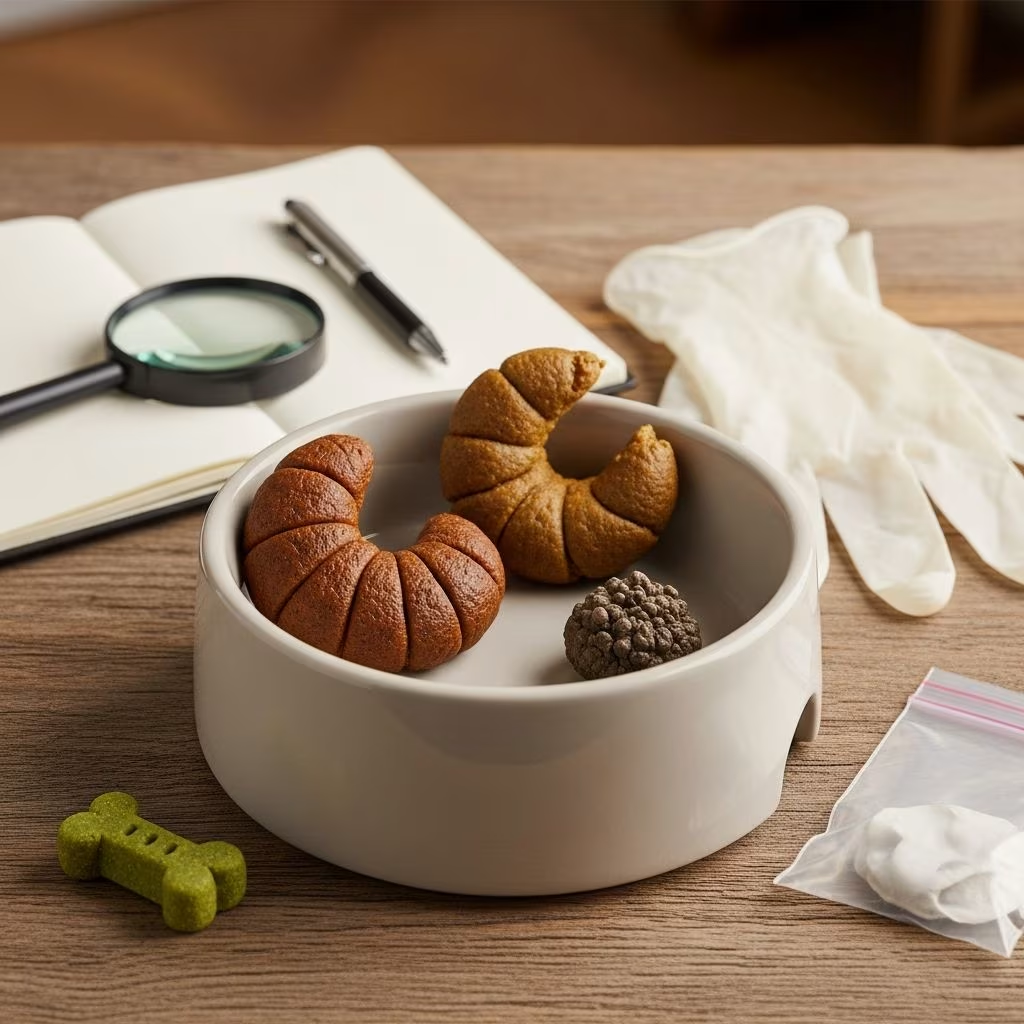
Your dog’s stool serves as a vital window into its overall health, revealing insights about digestion, diet, hydration, and potential medical concerns. By observing color, shape, size, and coating, pet owners can detect issues early, from minor dietary imbalances to serious conditions like internal bleeding or organ dysfunction.
Why Monitor Your Dog’s Poop Regularly?
Consistent monitoring of canine feces helps identify subtle changes before they escalate. Healthy digestion produces predictable stool patterns, while deviations often signal problems such as infections, allergies, parasites, or chronic diseases. Vets recommend daily checks during walks, noting not just visuals but also frequency and effort during elimination.
Factors influencing stool include diet, age, breed, activity level, and medications. Puppies and seniors may show variations due to developing or declining systems, while high-fiber diets firm up output compared to rich, fatty foods that loosen it.
The Gold Standard: What Healthy Dog Poop Looks Like
Ideal canine stool is segmented like a banana, firm yet pliable for easy pickup, and colored in shades of light to dark brown from bile pigments. It measures 1-2 inches per segment, with minimal odor and no visible undigested bits or mucus.
- Color: Milk chocolate brown, uniform without streaks.
- Shape: Log-like with clear divisions between sections.
- Consistency: Holds form when picked up, not smeary.
- Size: Matches dog’s meal intake; smaller breeds produce less.
- Frequency: 1-3 times daily, strain-free.
Deviations warrant attention; persistent normals confirm good health.
Dog Poop Color Chart: Interpret Every Shade
Stool hue stems from diet, bile, blood, or malabsorption. Use this guide to assess risks.
| Color | Appearance | Possible Causes | Action Needed |
|---|---|---|---|
| Brown | Firm, uniform | Normal digestion, bile processing | None |
| Green | Grass-like tint | Grass eating, parasites, gallbladder issues | Monitor 48 hours; vet if persists |
| Yellow/Orange | Mustard hue, greasy | Liver/bile problems, infections, fat malabsorption | Vet consult promptly |
| Black/Tarry | Sticky, shiny | Upper GI bleeding (digested blood) | Emergency vet |
| Red/Bloody | Bright streaks or clots | Lower GI bleed, polyps, trauma | Immediate vet |
| Gray/White | Chalky, pale | Pancreatic issues, excess calcium, parasites | Vet evaluation |
| Pink/Magenta | Raspberry jam-like | Hemorrhagic gastroenteritis, dyes | Urgent vet |
This chart synthesizes common observations; always consider context like recent meals.
Beyond Color: Consistency and Texture Insights
Shape and feel provide equally critical data. Hard pellets suggest dehydration or low fiber, while loose puddles indicate infections or stress.
- Hard/Dry Pellets: Insufficient water or fiber; add moisture-rich foods.
- Firm/Log-Shaped: Optimal; maintains integrity.
- Soft/Smeary: Mild upset from diet changes or allergies.
- Watery/Diarrhea: Pathogens, toxins, or IBD; dehydrates quickly.
- Mucus-Coated: Colitis or worm burdens.
- Greasy/Floating: Exocrine pancreatic insufficiency.
Undigested food points to rapid transit or enzyme deficiencies.
Common Culprits Behind Abnormal Stool
Dietary Influences
Sudden food switches, table scraps, or treats alter output. Beets turn purple, carrots orange, and dyes pink—usually resolving in 24-48 hours.
Parasites and Infections
Worms like tapeworms cause white specks; giardia yields yellow diarrhea. Fecal tests confirm.
Stress and Behavioral Factors
Anxiety from travel or new homes loosens stool via gut-brain axis effects.
Chronic Conditions
Liver disease yellows stool, pancreatitis greases it, ulcers blacken it. Allergies mucus-up output.
When to Rush to the Vet: Red Flags
Don’t wait if seeing black tarry stool, frank blood, severe diarrhea with lethargy/vomiting, or changes lasting over 48 hours. Accompanying symptoms like weight loss, appetite refusal, or abdominal pain demand immediate care.
- Bloody or black poop.
- Persistent non-brown colors.
- Diarrhea >24 hours in puppies/seniors.
- Mucus, grease, or parasites visible.
- Straining or scooting.
Improving and Maintaining Healthy Digestion
Proactive steps ensure optimal stool. Feed high-quality, balanced kibble or fresh diets with probiotics for gut flora balance. Gradually transition foods over 7-10 days. Ensure constant fresh water, especially for active or hot-weather dogs. Fiber from pumpkin or veggies firms loose stool; exercise aids motility.
Annual fecal exams screen for parasites. Probiotics like FortiFlora support microbiome post-antibiotics.
Breed and Age-Specific Considerations
Brachycephalics like Bulldogs prone to megaesophagus cause loose stool. Large breeds risk bloat-related changes; small ones allergies. Puppies’ immature guts fluctuate more; elders face motility slowdowns.
Practical Tips for Stool Sample Collection
For vet visits, use a clean plastic bag or container. Refrigerate if not delivering same-day. Note diet, recent changes, and symptoms.
Frequently Asked Questions (FAQs)
What does green dog poop mean?
Often harmless grass ingestion, but persistent green signals parasites or bile issues—vet check advised.
Is yellow dog poop always serious?
Not if diet-related, but ongoing yellow/orange suggests liver or malabsorption; consult vet.
Can food cause black stool?
Rarely; iron supplements might, but tarry black usually means upper GI bleed—emergency.
How long to monitor abnormal poop before vet?
24-48 hours for mild changes; immediate for blood, black, or with other symptoms.
What makes poop greasy or floating?
Poor fat digestion from pancreatic problems; requires diagnostic tests.
Empowering Pet Owners Through Observation
Mastering stool analysis equips you to safeguard your dog’s well-being proactively. Routine vigilance prevents minor issues from becoming crises, fostering longer, happier lives.
References
- Dog Poop Color Chart – Characteristics — Hill’s Pet Nutrition. 2023. https://www.hillspet.com/dog-care/healthcare/dog-poop-color-and-health
- Dog Poop 101: Essential Guide of Healthy and Unhealthy Dog Poop — Bond Vet. 2023. https://bondvet.com/blog/dog-poop-101-essential-guide-of-healthy-and-unhealthy-dog-poop
- Dog Poop Color Chart | What’s Normal? — Pet Drugs Online. 2023. https://www.petdrugsonline.co.uk/pet-advice/dog-poo-colour-guide
- Dog Poop Color Chart: What’s Your Dog’s Poo Telling You? — Spot & Tango. 2023. https://www.spotandtango.com/blog/dog-poop-color-chart
- Dog Poop Chart: What Color Should Healthy or Unhealthy Dog Poop Be? — Rover. 2023. https://www.rover.com/blog/dog-poop-chart/
- Dog Poo Decoded: Colour, Consistency and Smell (Vet Approved Guide) — Lyka. 2023. https://lyka.com.au/blog/ultimate-poo-guide



