Decoding Dog Poop: Health Insights
Unlock vital clues about your dog's wellness by examining poop color, shape, and texture for early detection of issues.
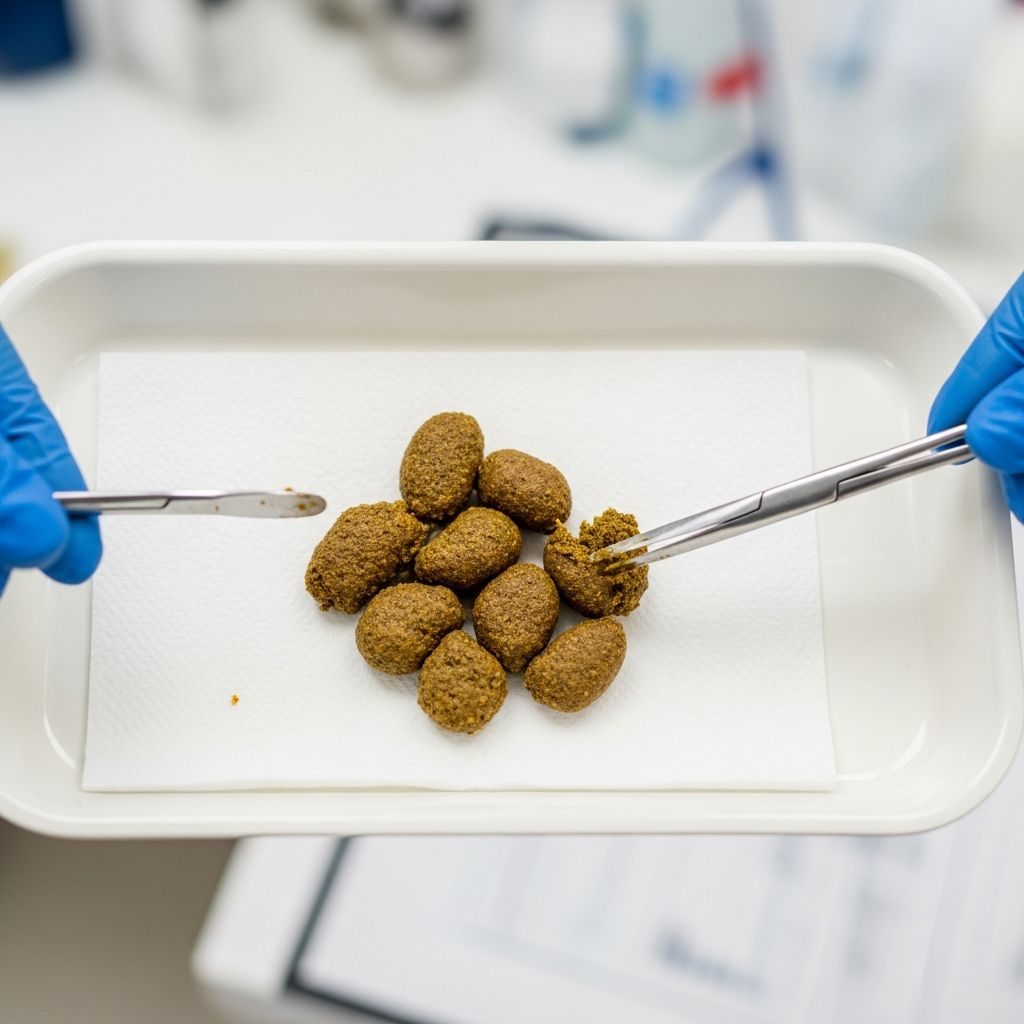
Your dog’s stool serves as a daily health report card, revealing insights into digestion, hydration, diet, and potential medical concerns. By observing attributes like color, shape, texture, and contents, owners can spot issues early and decide when to consult a veterinarian. This comprehensive guide breaks down normal versus abnormal poop characteristics, drawing from veterinary standards to empower proactive pet care.
Ideal Characteristics of Healthy Dog Stool
Healthy dog poop typically resembles a smooth, firm sausage in a medium to dark brown shade, easy to pick up without residue. This form indicates balanced nutrition, proper hydration, and efficient gastrointestinal function.
- Shape and Texture: Log-like or sausage-shaped, firm yet pliable, akin to Play-Doh consistency. This corresponds to Types 3-4 on the Bristol Stool Scale, where stools pass comfortably without straining.
- Color: Medium to dark brown from bile pigments and digested food, uniform without streaks.
- Size and Frequency: Moderate volume, produced 1-3 times daily depending on diet and size; no excessive gas or foul odor beyond normal.
- Content: Free of blood, mucus, worms, or undigested items like plastic or excessive grass.
Maintaining this standard involves consistent high-quality diet, fresh water access, and regular exercise to support gut motility.
Assessing Stool Consistency: From Firm to Fluid
Consistency provides the first clue to digestive efficiency. Deviations signal dehydration, dietary imbalances, or infections.
| Bristol Type | Description | Implications | Action |
|---|---|---|---|
| 1-2 | Hard lumps or sausage with lumps | Dehydration, low fiber, constipation | Increase water/fiber; vet if straining |
| 3-4 | Smooth sausage/snake | Optimal health | Monitor routinely |
| 5-6 | Soft blobs or fluffy mush | Diet upset, parasites, stress | Fast 24h, bland diet; vet if persists |
| 7 | Watery liquid | Infection, toxin, allergy | Urgent vet care |
Hard, pellet-like stools often stem from insufficient water intake or fiber-poor diets, while mushy or liquid forms point to rapid transit through the intestines, preventing nutrient absorption.
Color Variations: What They Reveal
Stool color derives from bile, blood, and diet. Abnormal hues demand attention.
- Black or Tarry (Melena): Digested blood from upper GI bleeding like ulcers; shiny, sticky texture. Accompanied by lethargy or vomiting—emergency vet visit.
- Bright Red Streaks or Drops (Hematochezia): Fresh blood from lower GI, anal glands, or colitis; often with mucus. Monitor briefly but seek care if recurrent.
- Yellow or Orange: Bile issues, liver problems, or rapid digestion from grass-eating. Persistent cases suggest gallbladder concerns.
- Green: Gallbladder dysfunction or excessive grass; usually benign if isolated.
- Grey, White, or Chalky: Lack of bile, excess bone in raw diets, or poor fat digestion. Dry and crumbly; adjust diet.
- Greasy or Shiny Grey: Pancreatic exocrine insufficiency; foul smell, bulky volume. Vet-prescribed low-fat food needed.
Colors outside brown persisting beyond 2-3 stools warrant professional evaluation.
Unusual Contents and Coatings in Stool
Beyond basics, inspect for additives indicating deeper problems.
- Mucus (Slimy Coating): Clear or white film signals colon inflammation from stress, diet changes, antibiotics, or parasites. Frequent with straining—vet check.
- Blood: As noted, location determines urgency; always photograph for vet.
- Worms or Segments: White rice-like tapeworm pieces or spaghetti-like roundworms. Deworm immediately.
- Undigested Food, Hair, or Foreign Material: Swallowed items like string risk blockages; supervise chewers.
- Excessive Grass or Plant Matter: Normal in moderation for self-soothing, but abundance suggests nausea.
Mucus is frequently overlooked but critical, often appearing jelly-like.
When Stool Changes Signal Emergencies
Not all variations require immediate action, but these do:
- Diarrhea >24 hours or with vomiting/lethargy.
- Black/tarry or bloody stools.
- Constipation >2 days with straining.
- Worms, excessive mucus, or foul odor changes.
- Accompanied by appetite loss, pale gums, or weakness.
Collect fresh samples for vets, noting duration, diet, and symptoms.
Diet and Lifestyle Factors Influencing Poop Quality
Diet drives 80% of stool health. High-fiber foods promote firmness; raw diets may yield smaller volumes but risk bone excess causing chalky output.
- Dehydration Fixes: Wet food, fountains, ice cubes.
- Fiber Boost: Pumpkin, veggies for constipation.
- Bland Diet Trial: Boiled chicken/rice for 24-48h post-upset.
- Allergy Checks: Grain-free if chronic diarrhea/scooting.
Probiotics restore gut flora post-antibiotics; avoid sudden changes.
Practical Monitoring Tips for Owners
Daily walks reveal patterns; use apps or journals for logs.
- Photograph anomalies.
- Track alongside behavior/food.
- Annual fecal tests catch parasites.
Puppies/seniors need closer watch due to immature/weakened systems.
Frequently Asked Questions (FAQs)
What does healthy dog poop look like?
Firm, log-shaped, medium-brown, no extras—Types 3-4 on Bristol Scale.
Is mucus in dog poop normal?
Occasional trace yes; excess signals inflammation—vet advised.
Why is my dog’s poop black?
Likely upper GI bleed; urgent care needed.
How long to monitor diarrhea before vet?
24 hours max, sooner with other symptoms.
Does raw diet change poop color?
Yes, potentially whiter from bones; balance Ca:P ratio.
Preventive Steps for Optimal Gut Health
Proactive care minimizes issues: vaccinate against parvovirus, deworm quarterly, feed AAFCO-approved foods, and schedule checkups. Hydration and exercise are foundational.
Understanding these signals transforms routine cleanup into health vigilance, potentially extending your dog’s life through early intervention.
References
- Vet-Approved Dog Poop Chart: Signs, Symptoms & What to Do — Vets Love Pets. 2023. https://vetslovepets.com.au/blogs/dog/dog-poo-chart
- How To Tell If Your Dog’s Poo is Healthy — Vets4Pets. 2024. https://www.vets4pets.com/pet-health-advice/dog-advice/how-to-tell-if-your-dogs-poo-is-healthy/
- What Should My Dog’s Poop Look Like? — PetMD. 2025-03-15. https://www.petmd.com/dog/care/how-should-my-dogs-poop-look
- How to Tell If Your Dog’s Poop Is Healthy — American Kennel Club. 2024. https://www.akc.org/expert-advice/health/dogs-poop-says-health/
- Unhealthy Dog Poop Chart: A Visual Guide to The 4 C’s — Earth Rated. 2023-10-01. https://www.earthrated.com/blogs/blog/unhealthy-dog-poop-chart-a-visual-guide-to-the-4-c-s
- Decoding Your Dog’s Poop — Zoetis Petcare. 2024-06-20. https://www.zoetispetcare.com/blog/article/decoding-dog-poop
Similar Articles








Read full bio of Sneha Tete