

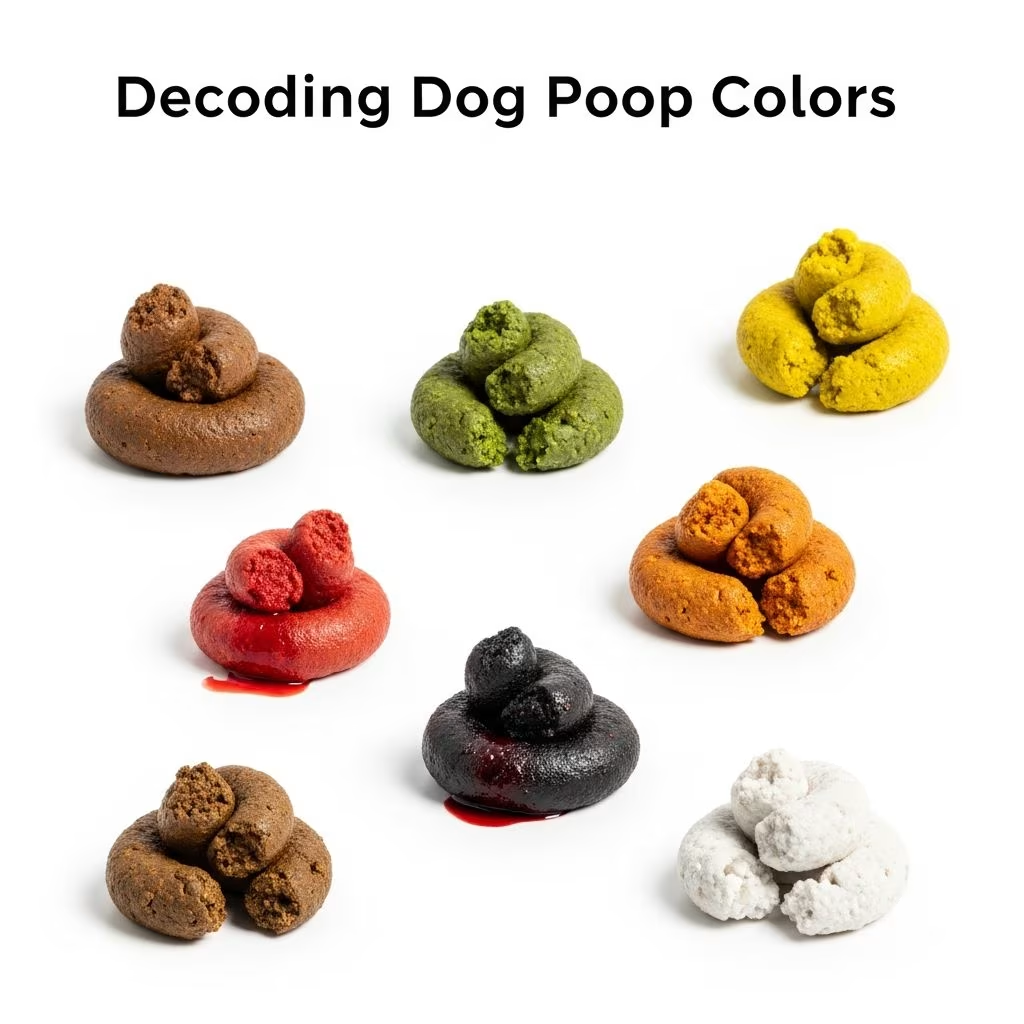
Observing your dog’s stool provides critical insights into their overall well-being. Healthy canine feces typically exhibit a consistent **chocolate-brown** hue, reflecting proper digestion where bile pigments like bilirubin break down food effectively. Deviations from this norm can signal underlying problems ranging from dietary imbalances to serious medical conditions. This comprehensive guide examines various stool colors, their potential causes, and actionable steps for dog owners.
Characteristics of Ideal Canine Stool
Before delving into abnormalities, recognize the benchmarks of healthy poop. Optimal dog stool is log-shaped, segmented, firm yet pliable, and easy to scoop without residue. It maintains a medium-to-dark brown color, influenced by diet but not drastically altered. Frequency varies by dog size and meal schedule, usually 1-3 times daily, without straining or urgency.
- Color: Uniform chocolate brown from bile processing.
- Shape: Tubular and cohesive, holding form when handled.
- Consistency: Moist but not watery; picks up cleanly.
- Odor: Earthy, not overwhelmingly foul.
Dietary factors like colorful foods (e.g., carrots tinting orange slightly) cause minor variations, but persistent changes warrant attention.
Unusual Stool Hues and Their Implications
Stool color shifts often stem from diet, medications, or gastrointestinal disturbances. Persistent anomalies beyond 1-2 days require professional evaluation.
Black or Tarry Stool: A Red Flag for Upper GI Bleeding
**Black, sticky, tar-like feces** (melena) indicate digested blood from the stomach or upper intestines. Stomach acids darken fresh blood during passage. Causes include ulcers, tumors, ingested toxins, or clotting disorders. Accompanying symptoms: vomiting, lethargy, abdominal pain.
- Common triggers: NSAIDs overuse, foreign body ingestion, cancer.
- Action: Immediate vet visit; diagnostics like endoscopy may be needed.
Bright Red Streaks or Blood: Lower GI Concerns
Fresh **red blood** on stool surfaces or mixed in points to lower bowel issues such as colitis, parasites, polyps, or trauma from constipation. Straining exacerbates tears in the rectum or anus.
| Possible Causes | Symptoms | Next Steps |
|---|---|---|
| Colitis or IBD | Diarrhea, mucus | Vet exam, fecal test |
| Parasites (e.g., hookworms) | Weight loss, anemia | Deworming |
| Anal gland issues | Scooting, licking | Expression, diet change |
Monitor for dehydration; urgent care if heavy bleeding occurs.
Yellow or Orange Stool: Bile and Liver Signals
**Yellow-orange** feces suggest rapid transit through the gut or bile production problems, preventing proper pigment breakdown. Linked to liver dysfunction, food intolerances, or pancreatic insufficiency. Greasy texture amplifies concerns for malabsorption.
- Dietary: High-fat meals or allergies.
- Medical: Hepatitis, bile duct obstruction.
- Observe: Appetite changes, jaundice (yellow gums).
Green Poop: Diet, Speed, or Toxins?
**Green** stool arises from excess grass consumption, green-dyed treats, or swift digestion skipping bile mixing. Serious cases involve gallbladder issues or rodenticides.
If isolated and diet-related, it resolves quickly; persistent green merits bloodwork.
Grey or White Stool: Pancreatic and Bile Duct Alerts
Pale **grey** or clay-colored poop signals absent bile, often from liver, gallbladder, or pancreatic disorders. **White specks** may denote tapeworm segments or excess calcium.
- Exocrine pancreatic insufficiency (EPI): Volume increase, weight loss.
- Parasites: Confirm via fecal flotation.
Beyond Color: Consistency, Size, and Frequency Matter
Color alone doesn’t tell the full story. Pair it with texture and habits for diagnosis.
| Consistency | Meaning | Causes |
|---|---|---|
| Hard, pebble-like | Dehydration, low fiber | Insufficient water, diet |
| Soft, mushy | Malabsorption | Parasites, stress |
| Liquid diarrhea | Infection, toxins | Bacteria, viruses |
Large breeds produce proportionally bigger stools; sudden size drops signal poor appetite or blockages.
Factors Influencing Normal Variations
Diet dominates: Beets yield purple, blueberries blue tinges. Medications (e.g., Pepto-Bismol blackens), supplements, or stress alter output. Puppies and seniors show more fluctuations due to developing or declining systems.
Monitoring and Home Tracking Tips
Daily backyard checks build baselines. Photograph anomalies for vets. Log diet, new treats, and behaviors in a journal.
- Pick up promptly to assess fully.
- Note frequency: >5/day or <1>
- Track hydration: Skin tent test.
When to Contact a Veterinarian Urgently
Seek care if colors persist >48 hours, or with vomiting, lethargy, pain, or appetite loss. Fecal tests detect parasites/microbes; blood panels check organs.
Preventive Strategies for Gut Health
Probiotics support flora; high-fiber diets regulate. Annual deworming, parasite preventives essential. Transition foods gradually to avoid colitis.
Dietary Adjustments for Better Stool Quality
- Incorporate pumpkin for fiber.
- Probiotic yogurts (plain) aid digestion.
- Avoid table scraps triggering intolerance.
Common Myths About Dog Poop Debunked
Myth: All grass-eating indicates illness—no, often boredom. Myth: Color changes always mean worms—not true; test confirms.
FAQs: Dog Poop Color Concerns
What is the healthiest dog poop color?
Chocolate brown signifies balanced digestion.
Is green poop always bad?
Often dietary; persistent cases need vet review.
Why is my dog’s poop black?
Likely upper GI bleed; urgent evaluation required.
Can diet alone cause yellow stool?
Yes, but rule out liver/pancreas issues.
How often should I check my dog’s stool?
Daily for patterns; note changes immediately.
Advanced Diagnostics for Persistent Issues
Vets use ultrasound for organs, endoscopy for bleeding sites, biopsies for IBD. Bloodwork measures liver enzymes, bilirubin.
Understanding these signals empowers proactive care, potentially averting crises. Regular monitoring keeps tails wagging healthily.
References
- What Should My Dog’s Poop Look Like? — PetMD. 2023. https://www.petmd.com/dog/care/how-should-my-dogs-poop-look
- What Does Healthy Dog Poop Look Like? — Purina. 2024. https://www.purina.com/articles/dog/health/digestion/what-does-healthy-dog-poop-look-like
- Dog Poop Color Chart — Chewy. 2023. https://www.chewy.com/education/dog/health-and-wellness/dog-poop-color-chart
- What Your Dog’s Poop Means — The Dog Stop. 2024. https://thedogstop.com/blog/what-your-dogs-poop-means/
- Understanding Your Dog’s Poop — Prime100. 2023. https://prime100.com/blogs/blog/understanding-your-dogs-poop-a-comprehensive-guide-to-color-consistency-and-behaviour
- What Color Should My Dog’s Poop Be? — Elanco Your Pet and You. 2024. https://yourpetandyou.elanco.com/us/health-and-care/dog-poop-color-chart
- Dog Poop Chart — Rover. 2023. https://www.rover.com/blog/dog-poop-chart/



