

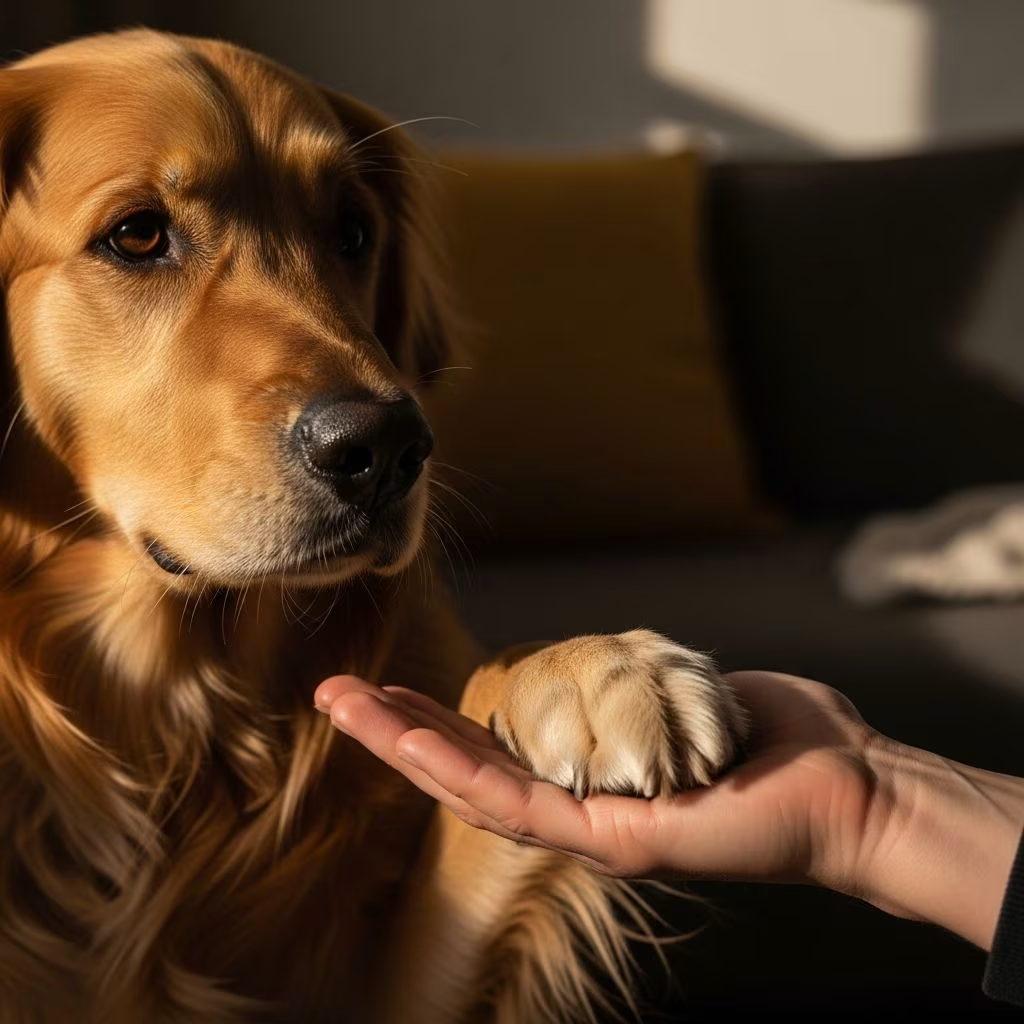
Dogs communicate through body language, and pawing stands out as a versatile signal owners often encounter. This gesture can convey needs ranging from simple affection to urgent discomfort, helping build deeper connections when understood properly.
The Instinctive Roots of Pawing in Canines
Canine pawing traces back to ancestral behaviors where wolves and wild dogs used paws to interact within packs, such as signaling submission or inviting play. Modern dogs retain this trait, adapting it to domestic life with humans. Observing context—like tail position or vocalizations—reveals the intent behind each paw lift.
Breeds vary in pawing frequency; herding dogs like Border Collies paw more to ‘herd’ attention, while lap dogs like Chihuahuas use it for closeness. Understanding breed tendencies aids interpretation.
Primary Motivations Behind Your Dog’s Paw Touches
Dogs paw for clear reasons, each tied to emotional or physical states. Here’s a breakdown:
- Craving Interaction: A soft paw on your leg often means ‘notice me now.’ Dogs learn this works for pets or treats, strengthening habits through positive responses.
- Playtime Requests: Extended paws with a lowered front and wagging tail signal fun. This ‘play bow’ invites games, especially in energetic pups.
- Comfort Seeking: During stress like storms, pawing seeks reassurance. Accompanied by whining or tucked tails, it highlights anxiety needs.
| Motivation | Body Language Cues | Common Triggers |
|---|---|---|
| Attention | Relaxed tail wag, bright eyes | Owner on phone or sitting idle |
| Play | Play bow, bouncy posture | High energy after naps |
| Anxiety | Low tail, pacing | Loud noises, separations |
When Pawing Signals Emotional Needs
Beyond basics, pawing expresses complex feelings. Dogs sense human sadness, placing paws to offer solace—studies show they respond to owner cortisol levels. This empathy fosters mutual support.
Anxiety-driven pawing spikes in unfamiliar settings. Separation fears prompt frantic paw taps at doors or laps, urging return. Boredom also fuels it; understimulated dogs paw to vent excess energy.
Health Warnings Hidden in Paw Gestures
Not all pawing is behavioral—persistent targeting of one spot may indicate pain. Dogs paw sore areas or owners to highlight issues like injuries or allergies, as they can’t speak.
Watch for excessive licking alongside pawing, signaling skin problems or gastrointestinal upset. Vet visits resolve these; early detection prevents worsening.
Training Strategies to Shape Pawing Habits
Manage unwanted pawing without ignoring valid signals. Ignore gentle taps initially, rewarding calm sits with attention—this redirects effectively.
- Observe patterns: Note times and triggers.
- Exercise daily: 30-60 minute walks curb boredom pawing.
- Teach alternatives: ‘Sit’ commands replace paws for rewards.
- Use positive reinforcement: Treats for desired behaviors only.
Consistency across household members prevents confusion. Puzzle toys provide mental outlets, reducing attention pawing by 50% in trials.
Enhancing Your Bond Through Paw Awareness
Responding aptly to pawing deepens trust. Gentle pets affirm affection bids, while calm words soothe anxiety. This dialogue makes dogs feel secure, minimizing problem behaviors.
Enrich environments with toys and routines. Scheduled playtimes preempt pawing, turning potential nuisances into bonding moments.
Breed-Specific Pawing Insights
- Retrievers: Paw for fetch initiations, loving interactive games.
- Huskies: Independent yet paw during high energy bursts.
- Bulldogs: Use paws sparingly, mainly for food begs.
FAQs: Common Pawing Questions Answered
Why does my dog paw me at night?
Night pawing often means potty needs or cuddle requests. Establish routines like pre-bed walks to minimize disruptions.
Is pawing a dominance sign?
Rarely; jumping with paws on shoulders might hint at it, but gentle pawing is usually affectionate. Training clarifies boundaries.
How to stop excessive pawing?
Redirect with commands, ignore unwanted taps, and boost exercise. Patience yields results in weeks.
Does pawing mean my dog is unhappy?
Not always—context matters. Happy pawing pairs with wags; distress shows with other stress signs.
Should I always respond to pawing?
Discern intent: Reward positives, investigate potentials for pain, ignore nuisances.
Long-Term Wellness Tips for Paw-Happy Dogs
Monitor paw health: Trim nails regularly to prevent scratches. Moisturize pads for comfort. Annual vet checks catch underlying issues early.
Integrate training into daily life. Apps tracking behaviors help spot patterns, refining responses. Socialization classes teach polite interactions.
Ultimately, pawing enriches human-dog ties. By decoding these taps, owners create responsive homes where dogs thrive emotionally and physically.
References
- Understanding Pet’s Behavior: Dog Pawing & Scratching — PetPads.net. 2023. https://petpads.net/blogs/news/understanding-your-pets-behavior-what-your-dogs-pawing-and-scratching-mean
- Understanding Your Dog’s Pawing: How to Curb This Behavior — OreaTe AI. 2024. https://www.oreateai.com/blog/understanding-your-dogs-pawing-how-to-curb-this-behavior/d38af49f2b72d3c45b26552c59e6fd08
- Why Does My Dog Put Their Paw On Me? — American Kennel Club (AKC). 2023-10-15. https://www.akc.org/expert-advice/advice/why-does-my-dog-put-paw-on-me/
- The Language of Paws: How Dogs Use Their Paws to Communicate — Pets4Homes. 2024. https://www.pets4homes.co.uk/pet-advice/the-language-of-paws-how-dogs-use-their-paws-to-communicate.html



