

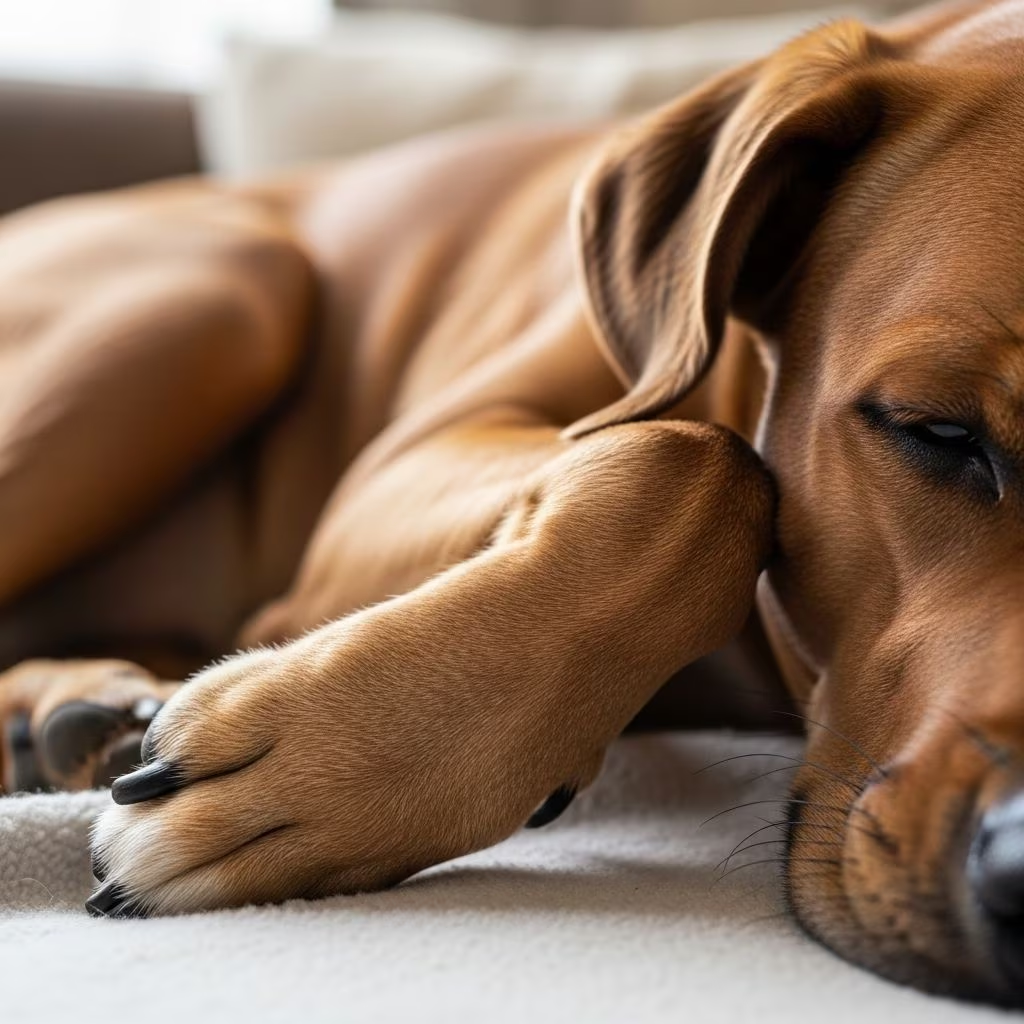
Dogs frequently fold their paws beneath their bodies, a posture often called the “dog loaf” that sparks curiosity among pet owners. This behavior serves multiple purposes, ranging from simple relaxation to subtle health indicators, helping dogs navigate their environment effectively.
Understanding the Instinctive Posture
At its core, paw tucking stems from a dog’s wild ancestry, where compact positions offered protection and efficiency. Modern dogs retain this trait, using it to signal emotional states or physical needs. Observing context—such as surroundings, recent activity, or accompanying cues like tail wagging—provides clues to its meaning.
Primary Motivations Behind Paw Folding
Dogs adopt this position for everyday comforts that enhance their well-being. Key drivers include:
- Seeking Warmth: In cooler settings, tucking paws reduces heat loss by minimizing exposed skin, a vital adaptation especially for short-coated or small breeds.
- Maximizing Comfort: Curling into a ball distributes weight evenly, easing pressure on joints and promoting deep rest, much like a puppy nestling with siblings.
- Preserving Energy: Post-exercise, this pose signals downtime, allowing muscles to recover without full extension.
These instincts make paw tucking a default for many dogs during naps or quiet moments.
Environmental and Situational Triggers
External factors heavily influence when and why dogs tuck paws. Temperature fluctuations prompt adjustments: cold prompts full tucking for insulation, while heat might involve partial folding to avoid hot ground. Similarly, uneven or soiled surfaces encourage paw elevation to stay clean and dry, preventing irritation from mud, water, or debris.
| Condition | Paw Tucking Response | Common Breeds Affected |
|---|---|---|
| Cold Weather | Full tuck for heat conservation | Chihuahuas, Greyhounds |
| Hot Pavement | Partial lift or tuck | All breeds |
| Wet Grass | Tuck to avoid moisture | Long-coated breeds |
This adaptability showcases dogs’ environmental awareness.
Emotional and Social Signals
Paw tucking often reflects inner feelings. A relaxed dog with tucked paws and a loose body exudes contentment, particularly in safe, familiar spaces. Conversely, sudden tucking amid stiff posture or averted gaze may indicate anxiety or deference, a non-threatening stance to de-escalate tensions with other dogs or people.
- Happy tuck: Accompanied by sighing, soft eyes.
- Anxious tuck: Ears back, yawning, avoidance.
In multi-pet homes, it fosters harmony by visually shrinking the dog’s profile.
Physical Relaxation and Recovery
After play or walks, dogs tuck paws to unwind tense muscles. This position stretches ligaments gently while supporting the spine, akin to a natural yoga pose for canines. It facilitates circulation and joint relief, ideal for aging dogs or those with mild soreness.
Breed-Specific Tendencies
Not all dogs tuck equally; anatomy plays a role. Breeds with flexible bodies like Labradors, Border Collies, and Poodles favor it, while short-legged ones like Dachshunds struggle due to proportions. Bulldogs, with stocky builds, often default to it for balance.
When Paw Tucking Signals Alertness
Occasionally, tucking prepares for action rather than rest. A dog on “high alert” might tuck paws under while scanning for threats, muscles coiled for a quick spring—fight or flight primed. Watch for perked ears or focused stares as confirmations.
Health Concerns: Beyond Normal Behavior
While mostly benign, persistent or asymmetrical tucking warrants attention. One hallmark issue is knuckling, where paws fold unnaturally due to proprioceptive deficits—the inability to sense limb position.
Knuckling manifests as:
- Paw dragging or topside walking.
- Wobbly gait or crossing limbs.
- Reluctance to bear weight.
Common Causes of Knuckling
| Cause Category | Specific Conditions | Age Group Affected |
|---|---|---|
| Neurological | IVDD, degenerative myelopathy, spinal stroke | Seniors, all ages |
| Developmental | Carpal flexural deformity, rapid growth | Puppies (giant breeds) |
| Trauma | Injuries, burns, broken nails | All ages |
| Other | Obesity, poor nutrition, cancer | Varies |
For instance, fibrocartilaginous embolism (FCE) disrupts spinal signals suddenly, causing immediate knuckling. Puppies with carpal flexural deformity (CFD) knuckle from tendon-bone growth mismatches, often resolvable with splints and diet.
Other red flags include limping, swelling, or tucking only one paw—prompt veterinary evaluation is crucial, as early intervention like therapy or surgery can restore mobility.
How to Differentiate Normal from Problematic Tucking
Context is key:
- Normal: Symmetrical, relaxed body, responds to name cheerfully.
- Concerning: Sudden onset, uneven, with dragging, whining, or appetite loss.
Monitor duration: Occasional is fine; constant suggests issues. Home checks include paw inspection for cuts, heat, or foreign objects.
Enhancing Your Dog’s Comfort
Support healthy tucking with orthopedic beds for joint aid, climate-appropriate bedding, and routine exercise to prevent weakness. Balanced nutrition curbs developmental knuckling risks.
Frequently Asked Questions (FAQs)
Is paw tucking always a sign of pain?
No, it’s often comfort-related, but paired with limping or dragging, it may indicate knuckling or injury.
Why do some breeds tuck more than others?
Body structure influences ease; flexible, longer-legged breeds like Poodles excel at it.
Should I worry if my dog tucks paws in hot weather?
Not usually—it’s cooling strategy, but ensure shade and water access.
How can I help a knuckling dog at home?
Avoid self-treatment; vet diagnostics first. Support with ramps, non-slip floors.
Does age affect paw tucking frequency?
Seniors tuck more for arthritis relief or weakness-related knuckling.
Conclusion: Tune Into Your Dog’s Signals
Paw tucking enriches communication with your pet, blending instinct, emotion, and health cues. By observing patterns, owners foster deeper bonds and timely care, ensuring tails wag freely.
References
- Why Do Dogs Tuck Their Paws: 12 Common Reasons — Dogster. 2023. https://www.dogster.com/dog-behavior/why-do-dogs-tuck-their-paws
- Knuckling in Dogs: Causes and Ways to Help Your Dog — ToeGrips. 2023. https://toegrips.com/knuckling-in-dogs/
- Why Do Dogs Tuck Their Paws? 9 Common Reasons — Hepper. 2023. https://articles.hepper.com/why-do-dogs-tuck-their-paws/
- The Ultimate Guide to Knuckling in Dogs — My Pet Nutritionist. 2023. https://mypetnutritionist.com/post/the-ultimate-guide-to-knuckling-in-dogs/
- Why does my dog tuck its paws under its body when lying down? — Dial a Vet. 2023. https://www.dialavet.com/vet-answers/dog-tucking-paws-meaning-8146



