

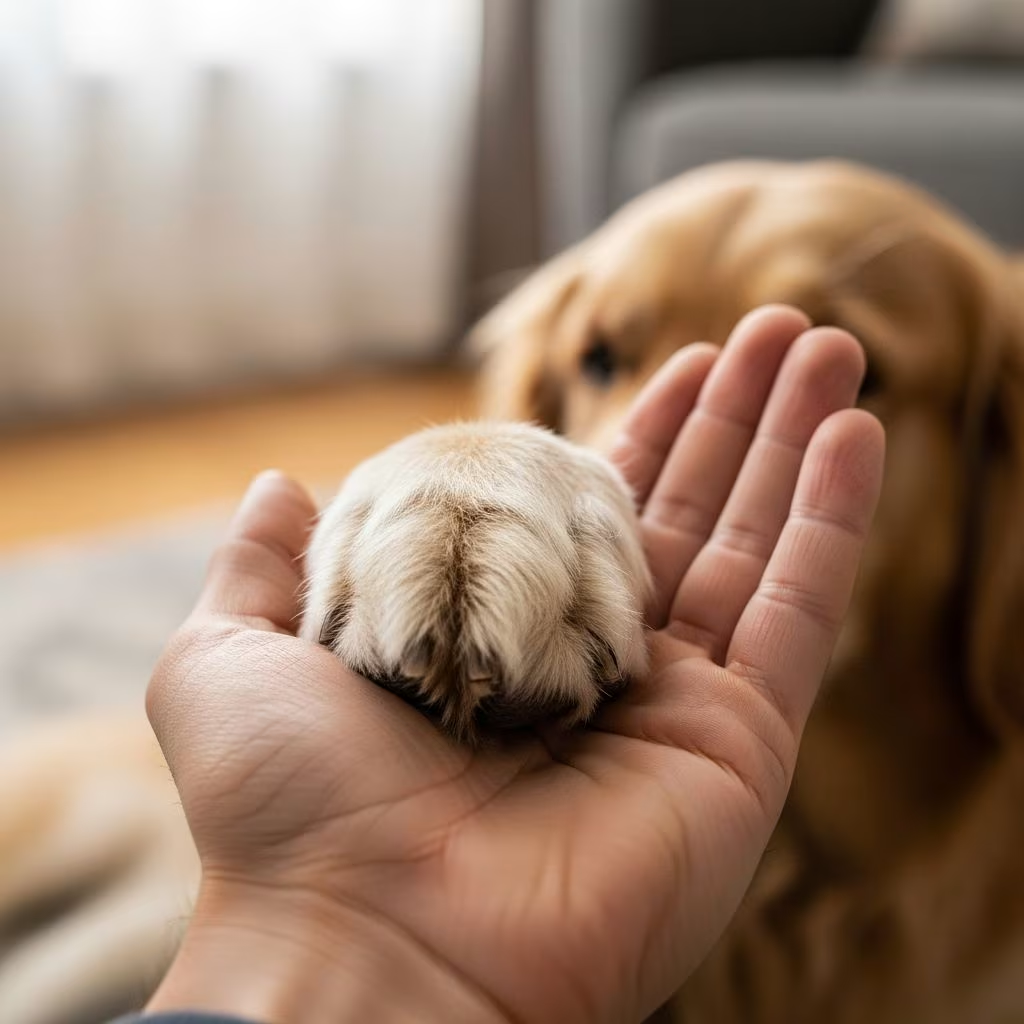
Dogs communicate through subtle physical gestures, and placing a paw on you is one of the most common. This action often signals affection, a need for attention, or emotional reassurance, rooted in their instinctive behaviors from puppyhood.
The Instinctive Roots of Paw Placement
Puppies naturally paw at their mothers to request milk, establishing this as a core communication method early on. As dogs mature and live with humans, they adapt this instinct, learning that pawing prompts responses like food, play, or pets. According to veterinary experts, this behavior persists because it reliably meets unmet needs.
In adult dogs, paw touches evolve into a versatile tool for interaction. The American Kennel Club highlights how dogs use paws similarly to human hands, signaling requirements such as walks or meals. Context is key: observe accompanying cues like tail wags or ear positions to interpret intent accurately.
Expressions of Love and Trust
One of the warmest reasons for a paw on your leg or arm is pure affection. Dogs view this as a reciprocal gesture, akin to petting you back during cuddles. Behavior specialists note it fosters closeness, especially in bonding-prone breeds like Golden Retrievers.
This touch releases oxytocin in both dog and owner, mirroring human hugs and deepening emotional synchronization. Studies on canine empathy show dogs sense human moods and offer paws during sad moments, saying “I’m with you.” It’s a sign of deep trust, where your dog chooses physical contact to affirm the pack bond.
Seeking Your Focus and Interaction
Frequently, a paw tap means “Notice me!” Bored or eager dogs use it to request play, scratches, or mealtime. If ignored, they may escalate with repeated nudges, as pawing has been reinforced by past positive outcomes.
- Play invitation: Accompanied by bouncy posture and play bows.
- Attention for basics: Paired with whining near doors or bowls.
- Affection boost: Gentle paw during quiet petting sessions.
To manage this, provide alternatives like puzzle toys stuffed with treats. Veterinary recommendations include Kong toys frozen with peanut butter for prolonged engagement, reducing unwanted pawing.
Signs of Stress and Comfort Needs
Not all paw placements are joyful; some indicate anxiety. Dogs paw for reassurance during storms, vet visits, or changes like new household members. Look for stress clusters: lip licking, yawning, tucked tail, or tense muscles.
Vet Dr. Duncan Houston explains paws as calming signals, seeking human stability to self-soothe. If the paw pushes away lightly, it may signal “Give space,” politely requesting less petting or proximity.
| Context | Body Language | Meaning | Best Response |
|---|---|---|---|
| Relaxed evenings | Loose wag, soft eyes | Affection | Reciprocate gently |
| During thunder | Ears back, trembling | Anxiety relief | Offer calm presence, safe spot |
| Over-pet session | Turning head, light push | Space request | Stop touching, step back |
| High energy | Play bow, excited jumps | Play start | Short play burst, then redirect |
Initiating Fun and Games
Puppies and young dogs often paw to spark play, combining it with mouthing or zooming. This energetic gesture invites chase or tug, drawing from wolf pack rituals adapted for home life. Respond briefly to avoid overstimulation, then guide to toys.
In multi-dog homes, pawing may assert friendly dominance or test boundaries. Consistent training reinforces polite alternatives, like sitting for attention.
When Pawing Signals Health Concerns
Persistent or sudden pawing warrants a vet check. It could mask pain, like arthritis in seniors, where pawing seeks gentle massage on sore joints. Changes in frequency might indicate cognitive issues in older dogs or unmet medical needs.
Monitor for limping, whining, or appetite loss alongside pawing. Early intervention from primary veterinary sources ensures timely care.
Training Tips to Shape Paw Behavior
Channel pawing positively with these steps:
- Ignore demands: No response to unsolicited paws teaches patience.
- Reward calm: Treats for four-on-the-floor reinforce good habits.
- Teach cues: “Paw” on command for controlled interactions.
- Enrich environment: Rotate toys to curb boredom-driven pawing.
Positive reinforcement from organizations like the AKC builds trust without punishment, aligning with modern behavior science.
Breed and Age Variations in Pawing
Touchy breeds like Labradors paw more for affection, while herders like Aussies use it for attention during work-like routines. Puppies paw playfully; seniors seek comfort amid reduced mobility. Tailor responses to your dog’s profile for optimal harmony.
Building a Deeper Connection
Understanding paw meanings transforms interactions. Respond to affection with mutual pets, redirect attention-seekers to activities, and comfort the anxious. This empathy strengthens your role as a attuned pack leader.
Observe daily patterns: journal paw instances with notes on time, context, and outcome. Over weeks, patterns emerge, refining your communication.
Frequently Asked Questions
Why does my dog paw me only at night?
Nighttime pawing often seeks reassurance in the quiet or pre-bed routine attention. Ensure daytime exercise to reduce evening energy.
Is pawing on face different from on leg?
Face pawing amps urgency or intimacy, risking scratches; leg pawing is gentler for general needs. Train redirection for safety.
What if my dog paws aggressively?
Rare, but paired with growls signals discomfort or pain. Consult a vet; avoid forcing interaction.
Can I discourage all pawing?
Not advisable—it’s natural communication. Shape it instead for appropriate times.
Does pawing mean dominance?
Outdated myth; modern views see it as affiliative, not hierarchical, per behavior research.
References
- Why Dogs Put Their Paws on People in 2025 – Vet-Approved Signals & Advice — Ask A Vet, Dr. Duncan Houston BVSc. 2025. https://askavet.com/blogs/dog-behavior-training/why-dogs-put-their-paws-on-people-in-2025-vet-approved-signals-advice-%F0%9F%90%B6%E2%9C%8B
- Do Dogs Put Their Paws on You? It Says More About… — Smelly Belly (YouTube). 2025-12-25. https://www.youtube.com/watch?v=3B5KVNmMXUE
- Why Do Dogs Put Their Paws On People? — PetMD. Recent (2020s update). https://www.petmd.com/dog/behavior/why-do-dogs-put-their-paws-on-people
- Why Does My Dog Put Their Paw On Me? — American Kennel Club (AKC). Recent. https://www.akc.org/expert-advice/advice/why-does-my-dog-put-paw-on-me/



