

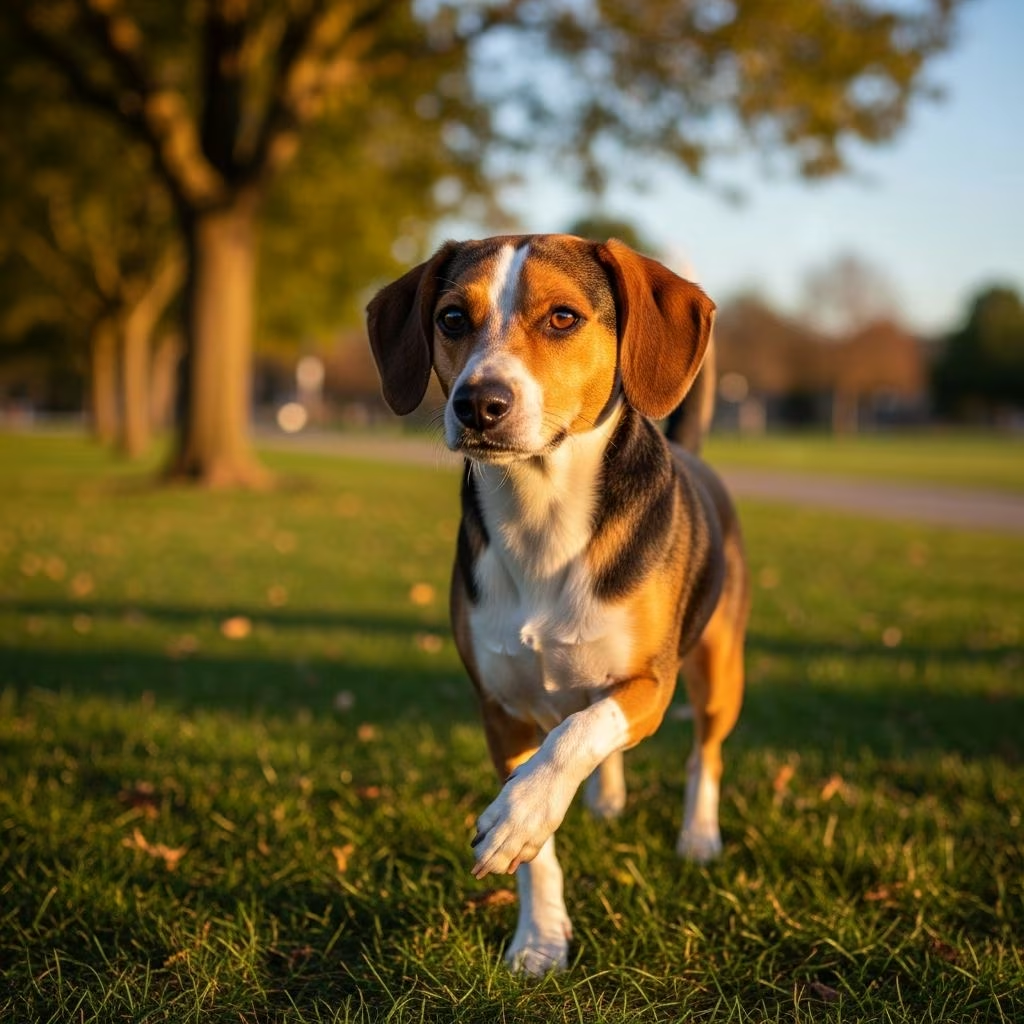
Dogs communicate through a rich array of body language, and one common gesture is lifting a single paw. This action can signal anything from mild discomfort to enthusiastic play invitations, helping owners better understand their pet’s needs.
Understanding Canine Communication Basics
Canine body language evolved as a survival tool, allowing dogs to convey emotions, intentions, and physical states without words. A raised paw often appears in contexts like standing still, during interactions, or while exploring. Observing accompanying cues—such as tail position, ear orientation, and eye contact—provides crucial context for accurate interpretation.
For instance, a relaxed body with a wagging tail might indicate positive intent, while tense muscles and lowered head suggest unease. This subtle signaling system helps dogs navigate social dynamics with humans and other animals.
Emotional Signals: Stress and Uncertainty
One of the most frequent explanations for a paw lift is emotional conflict. Dogs in uncertain situations, like encountering strangers or loud noises, may freeze and raise a paw as a displacement behavior. This gesture reflects an internal tug-of-war between approaching and retreating.
- Crouched posture: Indicates fear or hesitation.
- Tail tucking: Signals submission or anxiety.
- Yawning or lip licking: Additional stress relievers often seen alongside.
Chronic paw lifting in everyday scenarios points to ongoing stress from routine changes, poor socialization, or environmental pressures. Addressing these through calm routines and positive reinforcement can alleviate the behavior.
Submission and Appeasement Gestures
Closely related to stress, paw raising serves as an appeasement signal to diffuse potential conflicts. During tense encounters with other dogs or people, a dog might lift a paw to show non-threat, often paired with averted gaze, muzzle licking, or head turning.
This submissive posture prevents escalation, mirroring wild pack dynamics where lower-status members yield to avoid fights. Recognizing it allows owners to intervene gently, perhaps by removing the dog from the situation.
Physical Discomfort and Health Concerns
Not all paw lifts are behavioral; many stem from physical issues. If a dog favors one paw consistently, especially with limping or excessive licking, injury is likely. Common culprits include:
| Cause | Symptoms | Actions |
|---|---|---|
| Cuts or thorns | Limping, targeted licking | Inspect pads, clean wounds |
| Foreign objects | Sudden onset, refusal to bear weight | Remove gently, monitor |
| Extreme temperatures | Raised paw on hot/cold surfaces | Use booties, avoid hazards |
| Allergies/irritants | Itching, chewing at paw | Wash paws, vet for meds |
Sudden changes warrant immediate vet visits to rule out sprains, fractures, or arthritis.
Playful Intentions and Attention-Seeking
In joyful contexts, a paw lift invites interaction. Dogs may raise a paw during a play bow—front end lowered, rear elevated—to signal fun. Bouncy movements and bright eyes confirm this positive motive.
Additionally, many dogs learn that paw offering earns pets or treats, turning it into an attention bid. While endearing, teaching alternatives like sitting prevents reinforcement of demanding habits.
Instinctual Behaviors in Hunting Breeds
Certain breeds exhibit paw lifts as ingrained hunting traits. Pointers, Setters, and similar dogs “point” by raising a paw upon scenting prey, directing hunters precisely. Even non-hunting dogs may show this when intrigued by smells outdoors.
- Freeze stance: Body rigid, nose pointed.
- Tail raised: Alert excitement.
- Common in: English Pointers, German Shorthaired Pointers, Brittanys.
This atavistic behavior highlights dogs’ ancestral roots, persisting in modern pets.
How to Observe and Interpret Paw Lifts Effectively
Context is key to decoding paw lifts. Note:
- Frequency and duration.
- Environmental triggers (weather, people, noises).
- Associated behaviors (play vs. withdrawal).
Video your dog’s actions for patterns, aiding vet discussions. Rule out medical causes first by paw exams and professional checks before assuming behavioral origins.
Practical Solutions for Common Paw Lift Triggers
Managing Stress and Anxiety
For emotional paw lifts, identify stressors like fireworks or separations. Calming aids, puzzle toys, and desensitization training help. Veterinary behaviorists offer tailored plans for severe cases.
Preventing Injuries and Irritations
Regular paw inspections, booties for rough terrain, and grooming for long-haired breeds minimize physical issues. Wipe paws post-walks to remove salts or allergens.
Training for Positive Interactions
Redirect attention-seeking with commands like “sit for pet.” Reward calm states to encourage balanced communication.
When to Seek Professional Veterinary Help
Consult a vet promptly if paw lifting involves:
- Limping or three-legged hopping.
- Swelling, wounds, or odor.
- Behavioral shifts like lethargy or aggression.
- Repetition despite environmental fixes.
Early intervention prevents minor issues from worsening.
Frequently Asked Questions (FAQs)
Is paw lifting always a sign of pain?
No, it often reflects emotions or instincts, but persistent cases with limping require checks.
Why do hunting dogs point with a paw?
It’s a bred-in trait to signal prey location, seen in Pointers and Setters.
Can weather cause paw raising?
Yes, hot pavement or icy salt irritates pads, prompting lifts.
How do I stop attention-seeking paw lifts?
Ignore the gesture, reward sitting instead for polite requests.
Should I worry about occasional paw lifts?
Monitor context; isolated incidents are usually benign, but track changes.
Enhancing Your Bond Through Body Language Awareness
Mastering paw lift meanings deepens trust, allowing proactive care. Regular observations turn everyday moments into insights, fostering a harmonious human-dog relationship. By responding appropriately—whether with comfort, play, or medical aid—you affirm your role as attuned guardian.
References
- Why Does My Dog Lift Their Paw? Reasons and Solutions — ChowPow. 2023. https://chowpownow.com/from-discomfort-to-playfulness-the-many-reasons-dogs-lift-their-paws/
- Why Do Dogs Lift One Paw? 6 Vet-Verified Reasons — Dogster. 2023. https://www.dogster.com/lifestyle/why-do-dogs-lift-one-paw
- Why does my dog keep lifting his front paw when standing still? — Dial A Vet. 2023. https://www.dialavet.com/vet-answers/dog-lifts-paw-standing-still-36978
- Why Does My Dog Raise a Paw and Point? — American Kennel Club (AKC). 2023. https://www.akc.org/expert-advice/training/why-is-my-dog-raising-a-paw-and-pointing/
- Paw Lift – Dog Body Language — Animal Health Foundation. 2019-07-01. https://www.animalhealthfoundation.org/blog/2019/07/paw-lift-dog-body-language/



