

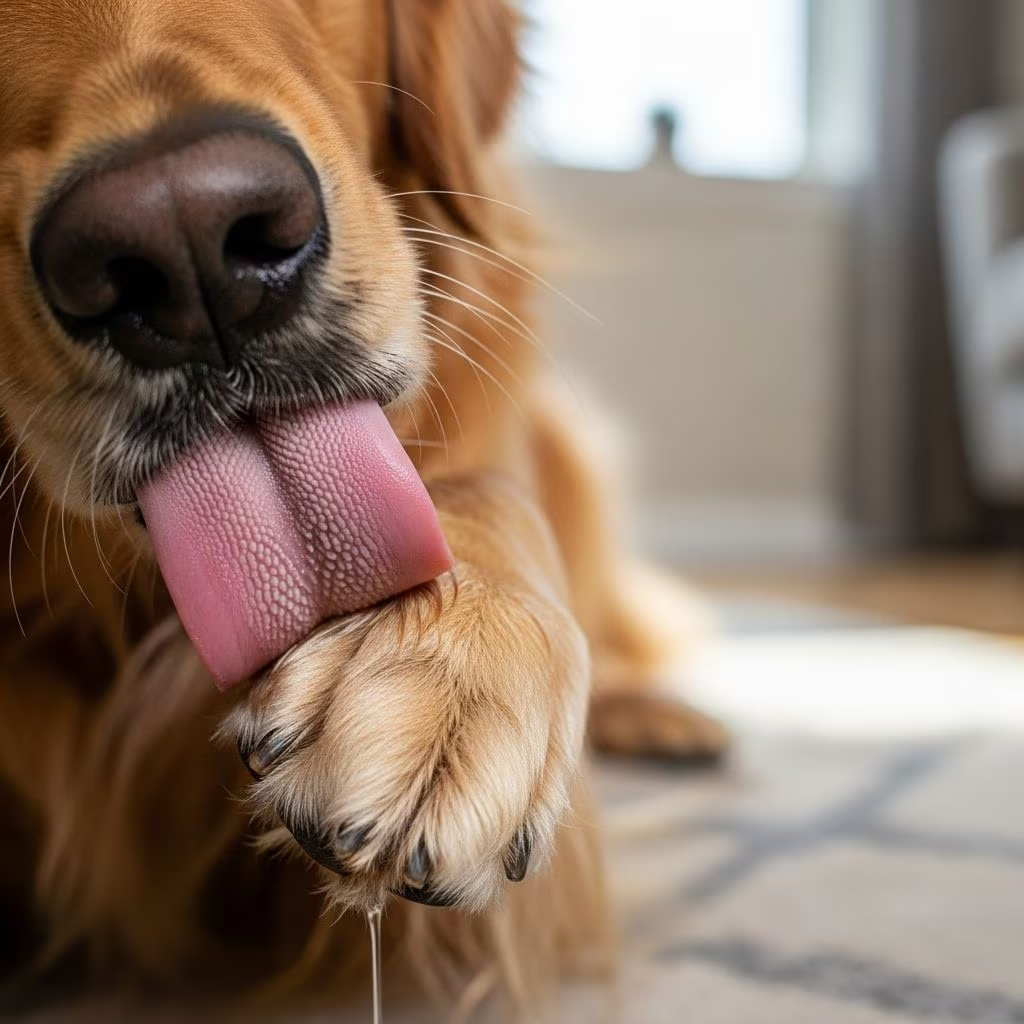
Dogs naturally lick their paws as part of grooming, but frequent or intense licking often signals an underlying issue. This behavior can stem from physical discomfort like allergies or injuries, or emotional factors such as stress, potentially leading to secondary problems if ignored.
Normal vs. Problematic Paw Licking
Occasional paw licking helps dogs clean dirt after walks or soothe minor irritations, mimicking wild ancestors removing debris. However, when it becomes obsessive—focusing on one paw, occurring at night, or causing hair loss, redness, or sores—it indicates trouble. Watch for limping, swelling, foul odors, or behavioral changes like reduced appetite.
Top Physical Triggers for Paw Licking
Many cases trace back to tangible health concerns affecting the paws directly.
Allergies: The Itch That Won’t Quit
Allergies top the list, causing itchy paws that dogs try to relieve through licking. Environmental culprits include pollen, grass, dust mites, and mold, often worsening seasonally or post-walk. Food allergies to proteins like chicken or beef provoke similar reactions, while contact allergies arise from lawn chemicals or de-icing salts. Atopic dermatitis, a chronic allergic skin condition, frequently targets paws, mirroring human hay fever triggers.
Injuries and Hidden Hurts
Minor traumas like cuts, thorns, stings, or burns from hot pavement prompt targeted licking for self-cleaning. Check between toes and pads for splinters, cracked skin, or ingrown nails. Arthritis or joint pain in older dogs can also manifest as paw focus, accompanied by limping or reluctance to jump.
Parasites and Pesky Invaders
Fleas, ticks, mites, and mange cause intense itching, especially if saliva triggers allergic responses. Even one flea can spark widespread discomfort, leading to paw obsession. Regular checks and preventives are key.
Infections Taking Hold
Constant licking creates moist environments breeding bacteria or yeast, resulting in red, smelly paws with pus or scabs. These often follow allergies or injuries, forming a vicious cycle. Hot spots or interdigital furunculosis add to the misery.
| Condition | Symptoms | Common Causes |
|---|---|---|
| Allergies | Itchy, red paws; seasonal flares | Pollen, food proteins, grass |
| Injuries | Limping, swelling, bleeding | Cuts, burns, foreign objects |
| Parasites | Intense itch, possible fleas visible | Fleas, mites, ticks |
| Infections | Foul odor, discharge, crusting | Bacteria, yeast from moisture |
Behavioral Roots of the Habit
Not all licking is physical; emotional drivers play a big role. Anxiety from separation, loud noises, or routine changes prompts self-soothing licks, potentially escalating to lick granulomas—thickened, hairless lesions from chronic trauma. Boredom in understimulated dogs, especially those alone long hours, turns licking compulsive, akin to OCD.
- Stress indicators: Licking during fireworks, thunderstorms, or owner absences.
- Boredom cues: Repetitive behavior in high-energy breeds without exercise.
- Compulsion signs: Licking despite clean, healed paws; wrist-area granulomas.
Diagnosing the True Culprit
Observe patterns: one paw suggests injury; multiple paws point to allergies or behavior. Note timing (nighttime worsens allergies), smells, or discharge. Veterinary exams may include skin scrapes, allergy tests, cytology for infections, or elimination diets for food sensitivities. Rule out systemic issues like arthritis via X-rays.
Effective Remedies and Management Strategies
Treatment targets the root cause while breaking the lick cycle.
Home Care First Steps
Gently clean paws post-walk with lukewarm water and pet-safe wipes to remove allergens. Apply vet-recommended moisturizers for dry pads or medicated sprays for infections. Use cone collars or booties temporarily to deter licking.
Vet-Prescribed Interventions
- Allergies: Antihistamines, Apoquel, Cytopoint injections, or immunotherapy.
- Infections: Topical antifungals, antibiotics, medicated shampoos.
- Parasites: Flea/tick preventives like oral NexGard or topical Frontline.
- Pain: NSAIDs for arthritis; wound care for injuries.
- Behavior: Anxiety wraps, pheromone diffusers, or behaviorist consults.
Lifestyle Adjustments for Prevention
Boost mental stimulation with puzzle toys, longer walks, and training. Switch to hypoallergenic diets if food allergies suspected—eliminate common proteins for 8-12 weeks under vet guidance. Mow grass short, rinse paws after yard time, and maintain year-round parasite control.
When to Rush to the Vet
Seek immediate care for raw, bleeding paws, limping, lethargy, or if licking persists despite home efforts. Early intervention prevents lick granulomas or chronic infections.
Frequently Asked Questions
Is occasional paw licking normal?
Yes, for grooming after outdoor time, but monitor for excess.
Can diet cause paw licking?
Absolutely—food allergies to beef, dairy, or grains often manifest there.
How do I stop nighttime licking?
Use booties, elevate food/water to reduce allergies, add bedtime enrichment.
What’s a lick granuloma?
A self-inflicted sore from obsessive licking, often behavioral.
Are paw booties effective?
Yes, they protect and prevent licking while healing occurs.
Addressing paw licking promptly enhances your dog’s comfort and quality of life. Regular vet check-ups catch issues early, combining medical and behavioral strategies for lasting relief.
References
- Understanding Excessive Paw Licking: Signs, Causes, And Care — Woodhill Vet Clinic. 2023. https://woodhillvetclinic.com/blog/understanding-excessive-paw-licking-signs-causes-and-care/
- Why Is My Dog Licking His Paws So Much? Causes and Remedies — Best Friends Animal Society. 2024. https://bestfriends.org/pet-care-resources/why-my-dog-licking-his-paws-so-much-causes-and-remedies
- Dog Licking Paws – Common Causes and When to See a Vet — Bright Vet. 2024. https://www.bright.vet/a/why-is-my-dog-licking-their-paws
- Why Do Dogs Lick Their Paws? Understanding the Behavior and Potential Causes — Earthborn Holistic Pet Food. 2023. https://www.earthbornholisticpetfood.com/blog/training-behavioral/why-do-dogs-lick-their-paws-understanding-the-behavior-and-potential-causes/
- Why Is My Dog Licking its Paws? Causes and Solutions — Vetericyn. 2024. https://vetericyn.com/blogs/vetericyn/why-is-my-dog-licking-his-paws
- Why Does My Dog Lick Their Paws? — American Kennel Club. 2025-01-15. https://www.akc.org/expert-advice/health/why-does-my-dog-lick-chew-paws/
- Why Do Dogs Lick and Chew Their Paws? — PetMD. 2024-06-10. https://www.petmd.com/dog/general-health/why-do-dogs-lick-chew-paws



