

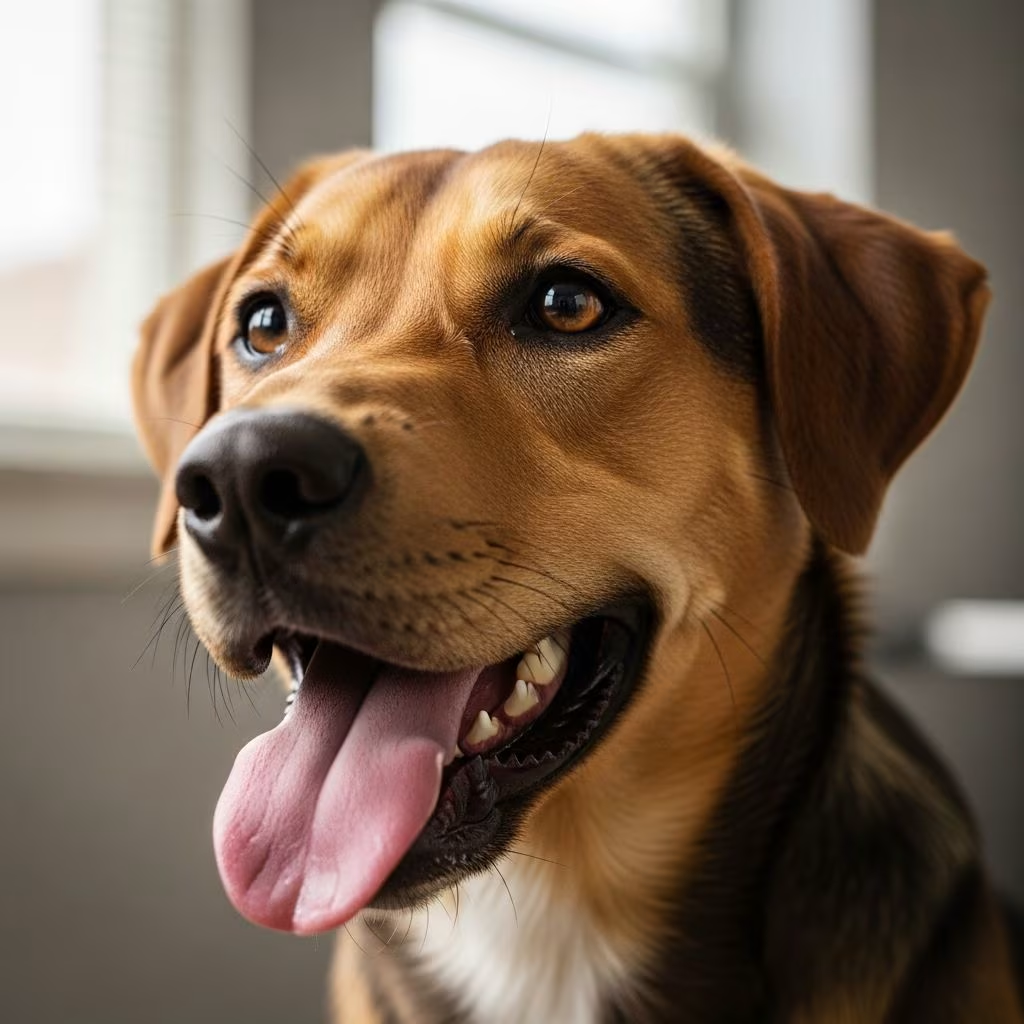
Dogs pant primarily to regulate their body temperature, as they lack the extensive sweat glands humans have, relying instead on evaporation from their tongue and respiratory tract during rapid breathing. This natural mechanism activates after activity or in warm conditions, but frequent or intense panting can signal underlying problems ranging from stress to serious illnesses.
The Science of Canine Thermoregulation
Unlike humans who sweat through skin pores, dogs cool mainly via panting, where quick breaths increase airflow over moist tongue surfaces, promoting evaporative cooling. Their paw pads also contribute minimally through sweat glands. This process efficiently lowers core temperature post-exercise or in heat, with normal panting resolving quickly upon rest or cooler environments.
Brachycephalic breeds, such as Pugs, Bulldogs, and French Bulldogs, face challenges due to shortened airways causing Brachycephalic Obstructive Airway Syndrome (BOAS), impairing efficient panting and raising overheating risks. These dogs often pant more visibly even mildly active.
Everyday Triggers for Panting
Panting frequently accompanies routine scenarios, helping distinguish benign from worrisome instances.
- Physical Exertion: Post-run or play, dogs pant to meet elevated oxygen needs and dissipate heat from raised metabolism.
- Excitement or Joy: Anticipating walks or greetings spikes heart rates, prompting panting as an emotional outlet alongside tail wags.
- Environmental Heat: Warm weather prompts panting, especially in thick-coated or obese dogs struggling with circulation and cooling.
Obesity exacerbates panting by demanding extra effort for oxygenation and movement, potentially leading to arthritis or reduced lifespan if unaddressed.
Behavioral and Emotional Panting Signals
Beyond physiology, panting conveys emotions. Stress-induced “behavioral panting” pairs with yawning, lip-licking, pacing, whining, or hiding during car rides, vet visits, or fireworks. Separation anxiety manifests as panting with destructiveness or vocalizing.
Excitement panting differs by context: playful with wagging tails versus tense with tucked posture. Observing body language clarifies intent—contentment shows relaxed posture, while fear appears rigid.
Health Conditions Linked to Excessive Panting
When panting persists without triggers like heat or exercise, medical evaluation is crucial. Dogs mask pain adeptly, so nocturnal or resting panting often indicates discomfort from arthritis, injuries, or abdominal issues.
| Condition | Symptoms with Panting | Key Risks |
|---|---|---|
| Heart Disease | Coughing, fatigue, weakness | Oxygen circulation failure |
| Cushing’s Disease | Increased thirst, pot belly, hair loss | Excess cortisol production |
| Respiratory Issues (e.g., Pneumonia) | Cough, fever, lethargy | Lung inflammation |
| Allergic Reactions | Vomiting, lethargy | Breathing distress from meds |
Heart conditions force constant panting for oxygen, evident even at rest. Cushing’s, from adrenal overactivity, alters metabolism alongside panting. Respiratory infections like pneumonia inflame airways, compounding breathing efforts.
Recognizing Abnormal Panting Patterns
Normal panting slows with rest; abnormal continues or intensifies. Watch for:
- Restlessness or unusual postures.
- Gums pale/blue or tongue excessively dark.
- Accompanying vomiting, drooling, or collapse.
Brachycephalic dogs or obese pets warrant closer monitoring due to inherent vulnerabilities.
Preventive Measures for Healthy Panting
Minimize risks through proactive care:
- Provide shade, water, and avoid midday heat, especially for flat-faced breeds.
- Maintain ideal weight via balanced diet and exercise—consult vets for plans.
- Use cooling mats or vests in hot climates.
- Monitor anxiety with calming aids or training for stressors like travel.
Regular vet checkups detect issues early, including heart screens or Cushing’s tests.
Emergency Responses to Panting Crises
Suspect heatstroke if panting escalates with drooling, disorientation, or collapse—cool gradually with fans/water, then rush to vet. Pain or heart signs demand immediate care to avert progression.
FAQs on Dog Panting
Is panting always a sign of overheating?
No, it serves cooling, emotional expression, or pain indication. Context determines concern.
Why do some breeds pant more?
Brachycephalic anatomy restricts airflow, hindering cooling efficiency.
When should I worry about nighttime panting?
If unexplained at rest, it may signal pain or Cushing’s—vet evaluation needed.
Can medications cause panting?
Yes, allergies or side effects can trigger it; monitor new prescriptions.
How to help an overweight dog pant less?
Weight management through diet/exercise improves respiration; vet guidance essential.
Understanding panting nuances empowers owners to safeguard canine companions effectively.
References
- Why Do Dogs Pant? Learn the Reasons Why — Purina US. 2023. https://www.purina.com/articles/dog/behavior/understanding-dogs/why-do-dogs-pant
- Understanding Why Dogs Pant — Peak Pet Urgent Care. 2024-05-15. https://peakpeturgentcare.com/understanding-why-dogs-pant/
- Why Do Dogs Pant? What To Know About Dogs and Panting — PetMD. 2025-01-10. https://www.petmd.com/dog/general-health/why-do-dogs-pant
- Why is My Dog Panting? Common Reasons and What You Can Do — Dix Hills Animal Hospital. 2024. https://dixhillsanimalhospital.com/blog/dog-panting/
- Why Is My Dog Panting? — Pony Express Vet. 2024-08-20. https://ponyexpressvet.com/why-is-my-dog-panting/
- When Your Dog’s Panting Becomes an Emergency — GSVS. 2023-11-05. https://gsvs.org/blog/dog-panting-emergency/



