

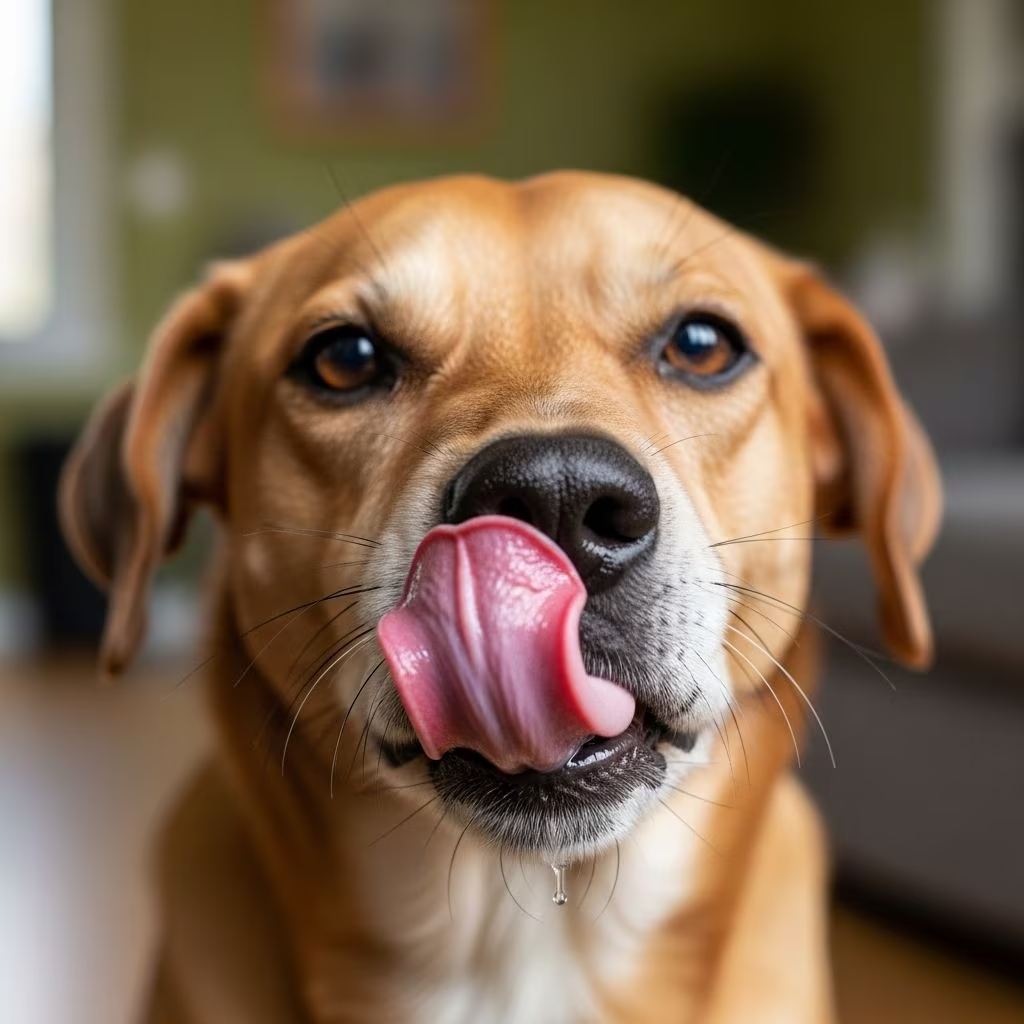
Dogs communicate through a variety of behaviors, and licking stands out as one of the most frequent and intriguing. This action serves multiple purposes, ranging from bonding rituals inherited from their wolf ancestors to modern expressions of emotion toward humans. Understanding the context of a lick can deepen the relationship between you and your furry companion while helping identify when it might signal a deeper issue.
The Evolutionary Roots of Canine Licking
Licking originates from wild canid behaviors where puppies lick their mother’s face to stimulate regurgitation of food, a survival mechanism that ensured nourishment. Over time, domestication has transformed this into a social tool. Today, dogs lick humans not just for food remnants but to build connections, much like pack members reinforce ties. Experts note that this gesture often conveys greeting, affiliation, or even deference in social hierarchies.
In puppyhood, licking facilitates grooming and comfort, strengthening family bonds. Adult dogs retain this instinct, directing it toward owners as a sign of trust and security. When a dog licks your face or hands, it may mimic the appeasement signals used among peers, acknowledging you as a valued pack leader without challenge.
Affection and Emotional Bonding Through Licks
One of the most heartwarming interpretations of dog licking is pure affection. Similar to a human hug, a gentle lick expresses love and contentment. Research indicates that licking triggers endorphin release in dogs’ brains, promoting relaxation and pleasure, while also elevating oxytocin levels associated with bonding.
- Oxytocin boost: Licking fosters the same ‘love hormone’ surge seen in human-dog interactions during petting or eye contact.
- Reinforcement loop: Your delighted reactions – laughter, pets, or coos – encourage more licks, solidifying the behavior as a positive exchange.
- Familiarity factor: Dogs typically reserve enthusiastic licks for trusted people, not strangers, underscoring selective affection.
This emotional layer explains why licks intensify after separations, like when you return from work. The dog isn’t just excited; it’s reaffirming the bond through a familiar, rewarding ritual.
Licking as Communication and Social Cues
Beyond affection, licks carry nuanced messages. Dogs are highly attuned to human cues, using licks to navigate interactions purposefully. A quick lick might signal greeting or enthusiasm, while patterns reveal more.
| Lick Type | Possible Meaning | Accompanying Signs |
|---|---|---|
| Face/Hand Lick | Affection or greeting | Wagging tail, relaxed body, play bow |
| Quick, perfunctory lick | Dismissal or ‘back off’ | Rigid posture, turning away, whale eye (visible whites) |
| Excessive, repetitive | Stress or appeasement | Panting, pacing, avoidance |
Social hierarchy plays a role; subordinates lick dominants to show respect, a behavior puppies direct at elders. With humans, this can appear as submission, especially in anxious dogs seeking reassurance. Conversely, a ‘lick to dismiss’ politely requests space, often overlooked by owners misreading it as love.
When Licking Signals Taste, Curiosity, or Exploration
Dogs possess around 1,700 taste buds compared to humans’ 9,000, but their sense of smell drives much of their oral investigation. Licking allows them to sample scents and flavors up close. Salty skin after exercise, food residues on lips, or intriguing lotions make you a tasty target.
Puppies especially use licking for environmental exploration, akin to a toddler touching everything. This sensory tool helps them learn textures and tastes. Even adults lick novel objects or returning owners to gather intel, blending curiosity with social intent.
Stress, Anxiety, and Self-Soothing Behaviors
Not all licks are joyful; many stem from emotional distress. Licking acts as a displacement activity, calming dogs amid anxiety triggers like thunderstorms, separations, or changes in routine.
- Calming mechanism: Repetitive licking mimics wound-licking, releasing soothing endorphins and dopamine.
- Boredom outlet: Understimulated dogs lick surfaces, paws, or people to self-entertain.
- Attention ploy: If licks elicit any response, even scolding, they persist as a bid for engagement.
Observe for escalation: if licking accompanies trembling, whining, or destructive acts, it may indicate compulsive tendencies or underlying anxiety disorders requiring professional intervention.
Medical Causes Behind Excessive Licking
While behavioral factors dominate, persistent licking warrants a vet check for health issues. Allergies, skin infections, gastrointestinal upset, or pain can manifest as obsessive licking of paws, flanks, or people.
Common medical triggers:
- Skin conditions like allergies causing itchiness.
- Anal gland problems prompting redirected licking.
- Nutritional deficiencies or nausea leading to air-licking.
- Neurological issues in severe compulsions.
Rule out medical causes first, as treatments like medication or diet changes often resolve symptoms before behavioral training.
How to Manage and Redirect Licking Habits
Balanced management preserves positive licks while curbing excesses. Start by enriching your dog’s world to address root causes.
- Boost stimulation: Daily walks, interactive toys, and training sessions combat boredom.
- Ignore unwanted licks: Turn away without reaction to extinguish attention-seeking.
- Provide alternatives: Lick mats with peanut butter or frozen Kongs channel the urge productively.
- Desensitize triggers: Gradual exposure to stressors with positive reinforcement eases anxiety.
- Consult pros: Vets or behaviorists for persistent cases, possibly involving meds.
Teaching commands like ‘enough’ or offering a toy during greetings redirects energy positively, fostering mutual respect.
Body Language: Reading the Full Picture
Licks rarely occur in isolation. Pair them with overall posture for accurate interpretation. Happy licks feature loose wags and soft eyes; stressed ones show tense muscles and lip licks.
Pro tip: Film interactions to spot patterns. Dogs mirror our responses, so calm energy encourages appropriate behaviors.
Frequently Asked Questions (FAQs)
Is it safe to let my dog lick my face?
Occasional licks are harmless, but avoid if immunocompromised due to bacteria risks. Post-meal face licks target food scents.
Why does my dog lick me more at night?
Evening licks often seek closeness or soothe separation anxiety buildup. Ensure daytime exercise.
Can licking be a dominance sign?
Rarely; gentle licks signal trust, not control. Aggression pairs with stiffening or growling, not licking.
How much licking is too much?
Interfering with daily life, causing skin issues, or tied to distress signs warrants vet attention.
Building a Lick-Free (or Lick-Positive) Bond
Embracing licks’ meanings enhances communication. Train boundaries while honoring instincts for a harmonious home. Patient observation turns ‘sloppy kisses’ into insightful dialogues, strengthening your dog’s well-being and your connection.
References
- Why do dogs lick humans? It could be a sign of affection. — Popular Science. 2023-08. https://www.popsci.com/science/why-do-dogs-lick-humans/
- Why is your dog licking everything? — Savannah Veterinary Internal Medicine. Accessed 2026. https://savannahveterinary.com/pet-internal-medicine/why-is-your-dog-licking-everything/
- Why Do Dogs Lick You? — PetMD. Accessed 2026. https://www.petmd.com/dog/behavior/why-do-dogs-lick-you
- Why Does My Dog Lick So Much? [Answered by a Vet] — Newport Harbor Vets. Accessed 2026. https://www.newportharborvets.com/services/dogs/blog/why-does-my-dog-lick-so-much-decoding-dog-licking-behaviors
- Why Is My Dog Licking Me? — American Kennel Club (AKC). Accessed 2026. https://www.akc.org/expert-advice/advice/why-is-my-dog-licking-me/



