

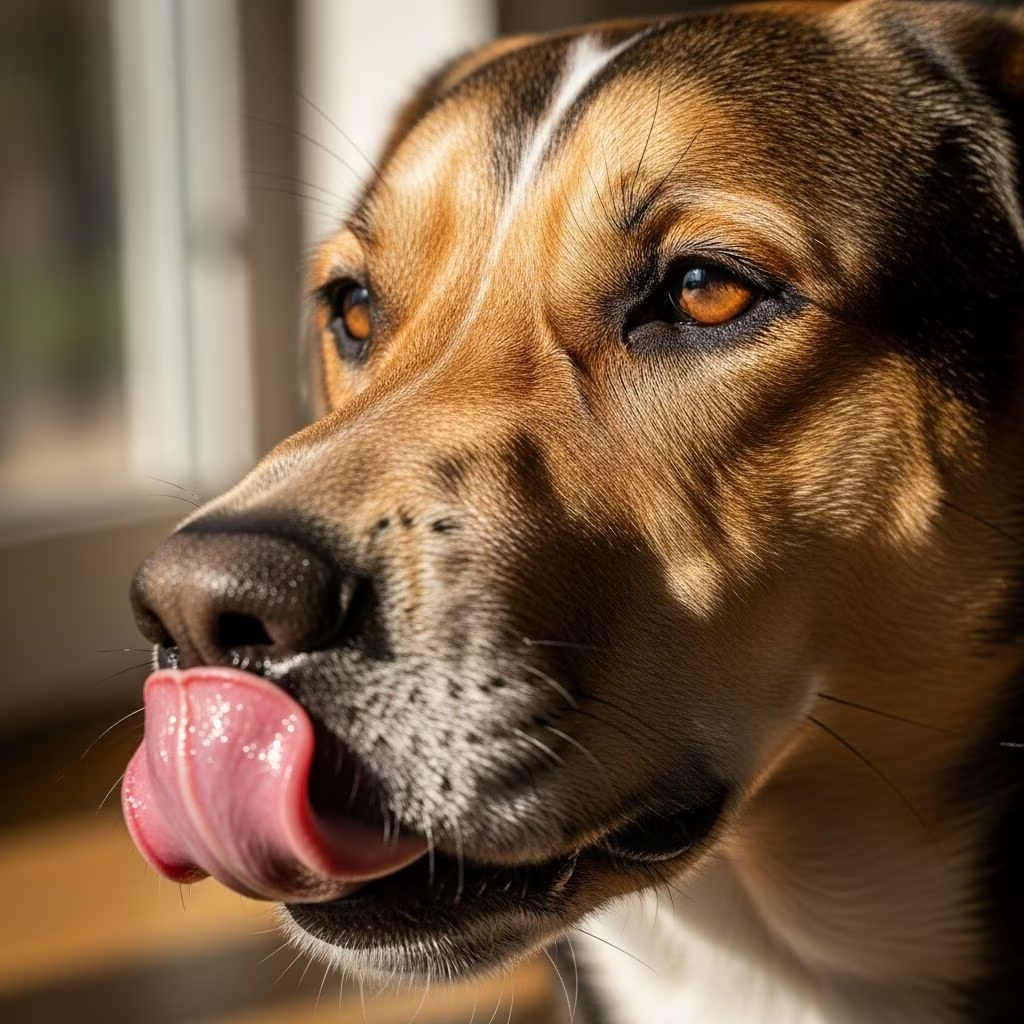
Dogs communicate through a variety of behaviors, and licking stands out as one of the most common interactions with humans. Far from being random, these licks convey affection, seek attention, signal discomfort, or even explore tastes and scents. Understanding the context helps pet owners respond appropriately, fostering healthier relationships.
The Instinctual Roots of Canine Licking
Licking originates from a dog’s earliest days as puppies. Mother dogs lick their offspring to clean them, stimulate breathing after birth, and encourage digestion by prompting regurgitation of food. This foundational behavior carries into adulthood, where dogs extend it to pack members—including humans—for grooming, bonding, and social cues.
In the wild, wolves and feral dogs use licking to reinforce social bonds. Pups lick dominant pack members’ faces to show respect and request food. Domestic dogs retain this instinct, adapting it to their human families. When your dog licks you, it may echo these ancient rituals, viewing you as a key pack figure.
Affection and Emotional Bonding Through Licks
One of the most heartwarming reasons dogs lick is to express love. Similar to a human hug, a gentle lick on the hand or face signals trust and endearment. Research shows licking triggers oxytocin release in dogs, the ‘bonding hormone’ also elevated during human-dog interactions, strengthening emotional ties.
Dogs direct affectionate licks selectively toward familiar people, not strangers, indicating it’s a deliberate sign of closeness. Your enthusiastic response—laughing, petting, or cooing—reinforces this, creating a positive feedback loop that encourages more licks.
- Genuine affection licks: Soft, repeated on face or hands, accompanied by relaxed body language like wagging tail and soft eyes.
- Context matters: Often after reunions or during calm petting sessions.
Licking as a Form of Communication
Licking serves as a multifaceted language. Experts like Ellen Furlong, a psychology professor studying canine behavior, describe it as purposeful communication. Dogs might lick to greet enthusiastically, reaffirm bonds, or convey hierarchy.
In social dynamics, licks can indicate submission. Puppies lick older dogs to acknowledge authority, a behavior mirrored with humans. A quick lick paired with averted gaze or lowered posture suggests deference, saying ‘you’re in charge.’ Conversely, licks can politely request space—a ‘dismissal lick’ where the dog follows up with turning away or stiffening, signaling overload.
| Lick Type | Body Language | Meaning |
|---|---|---|
| Enthusiastic, full-body wag | Relaxed ears, play bow | Greetings or joy |
| Quick lick then avoidance | Rigid posture, lip lick | Appeasement or ‘back off’ |
| Targeted on salty skin | Sniffing first, curious eyes | Taste exploration |
When Licks Signal Stress or Anxiety
Not all licks are positive. Excessive or context-specific licking often points to underlying stress. As a displacement behavior, dogs lick to self-soothe during anxiety, much like humans bite nails. Triggers include separation, loud noises, or routine changes.
Veterinarians note that anxious licks increase endorphins and dopamine, providing temporary calm. Watch for patterns: licking during thunderstorms or when left alone suggests emotional distress. Compulsive licking may tie to obsessive disorders, requiring professional intervention.
- Signs of stress licks: Panting, pacing, dilated pupils, or licking lips/air.
- Self-directed: Excessive paw or flank licking indicates boredom or unease.
Medical Reasons Behind Persistent Licking
Before assuming behavioral causes, rule out health issues. Allergies, skin infections, gastrointestinal upset, or pain can prompt licking. Dogs lick wounds instinctively to clean and promote healing, but chronic cases warrant vet checks.
Nutritional deficiencies or endocrine disorders like Cushing’s may manifest as obsessive licking. A 2014 study linked affiliative behaviors like licking to elevated oxytocin, but medical panels emphasize diagnostics first.
Taste, Curiosity, and Sensory Exploration
Dogs possess over 300 million taste buds (compared to humans’ 9,000), making your skin intriguing—especially post-workout sweat or food residues. Lips attract licks due to lingering flavors.
Puppies explore via mouthing and licking, learning about textures and scents. Adult dogs retain this curiosity, licking hands to ‘read’ your day through chemical cues.
Managing Excessive Licking Behaviors
Occasional licks are harmless, but excess disrupts daily life. Start with enrichment: puzzle toys, longer walks, and interactive play combat boredom.
For anxiety, desensitize triggers gradually and consider vet-prescribed aids. Redirect with commands like ‘sit’ for attention, rewarding calm alternatives. Lick mats smeared with peanut butter offer safe outlets.
- Observe patterns: Note when/where licking occurs.
- Enrich environment: Add mental challenges daily.
- Consult pros: Vets for medical, behaviorists for training.
Health and Hygiene Considerations
Dog saliva contains bacteria harmless to them but risky for humans, especially immunocompromised individuals. Face licks post-meals raise transmission concerns. Regular baths and dental care minimize issues, but discourage mouth-to-mouth contact.
Balanced diets reduce appeal of human skin tastes. Training boundaries teaches appropriate affection displays.
FAQs
Why does my dog lick my face specifically?
Face licking mimics puppy begging from mothers, combining affection, submission, and taste appeal from food scents.
Is excessive licking always a bad sign?
No, but paired with other symptoms like lethargy or wounds, it signals medical needs. Behavioral excess ties to stress or boredom.
How can I stop my dog from licking guests?
Train ‘leave it’ or ‘place’ commands, redirect to toys, and reward non-licking greetings.
Do all dogs lick the same way?
No—breeds vary; labs are enthusiastic lickers, while herders may be more reserved. Personality and history influence.
Should I let my dog lick my wounds?
Avoid it; while saliva has minor antibacterial properties, risks outweigh benefits.
Building a Deeper Connection
By interpreting licks accurately, owners enhance mutual understanding. Positive reinforcement shapes behaviors, turning licks into clearer communication. Patience and observation reveal your dog’s unique language, deepening companionship.
References
- Why do dogs lick humans? It could be a sign of affection. — Popular Science. 2023-08. https://www.popsci.com/science/why-do-dogs-lick-humans/
- Why is Your Dog Licking Everything? — Savannah Veterinary Internal Medicine. 2024. https://savannahveterinary.com/pet-internal-medicine/why-is-your-dog-licking-everything/
- Why Do Dogs Lick You? — PetMD. 2023. https://www.petmd.com/dog/behavior/why-do-dogs-lick-you
- Why Does My Dog Lick So Much? Decoding Dog Licking Behaviors — Newport Harbor Vets. 2023. https://www.newportharborvets.com/services/dogs/blog/why-does-my-dog-lick-so-much-decoding-dog-licking-behaviors
- Why Is My Dog Licking Me? — American Kennel Club (AKC). 2024. https://www.akc.org/expert-advice/advice/why-is-my-dog-licking-me/



