

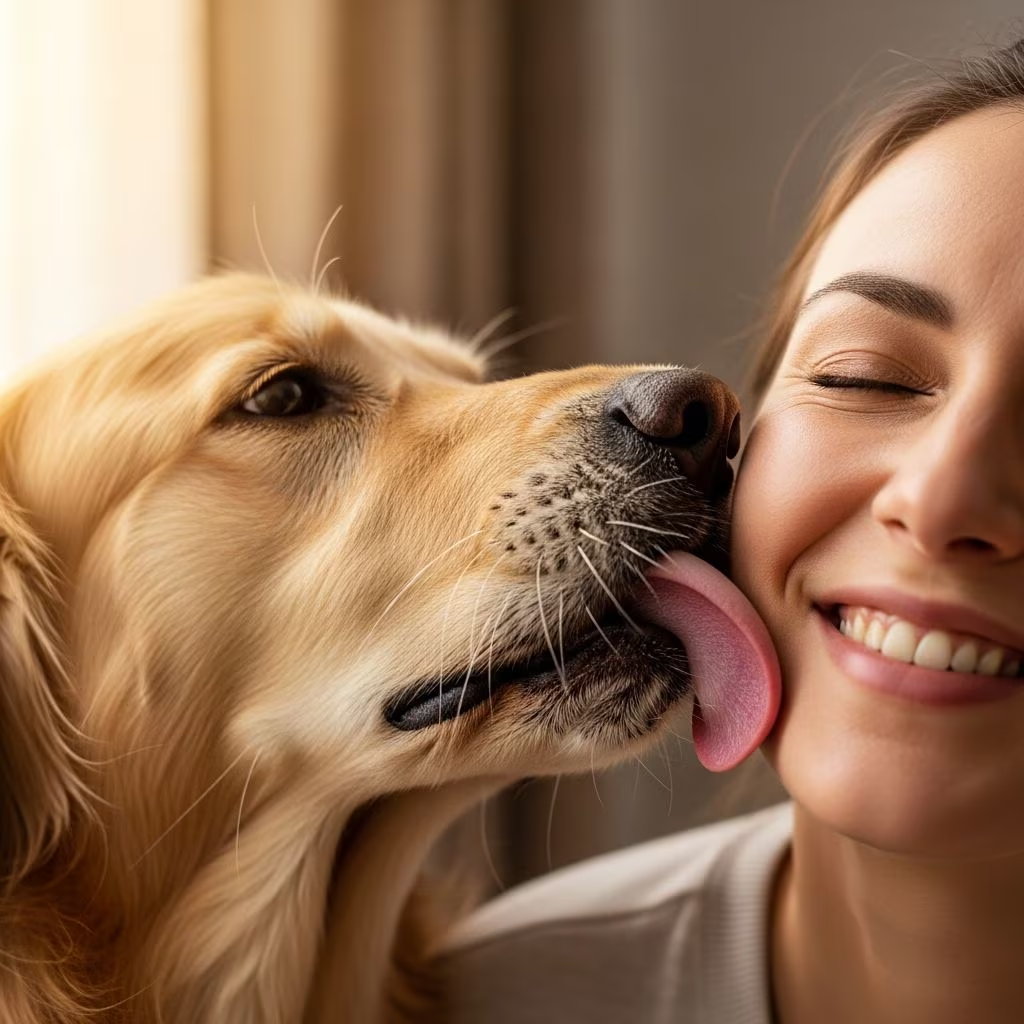
Dogs lick humans for a variety of reasons rooted in their instincts, emotions, and physiology. This behavior, often seen as a simple show of love, actually communicates needs, strengthens bonds, and sometimes signals underlying issues.
The Instinctive Roots of Canine Licking
From puppyhood, dogs learn to lick as a survival mechanism. Puppies lick their mother’s face to stimulate regurgitation of food, a behavior that evolves into social interactions in adulthood. In modern homes, this translates to dogs licking owners’ hands, faces, or arms to explore tastes like salt from sweat or remnants of meals.
Licking engages a dog’s senses intensely. Their tongues act as tools for tasting textures and chemicals on skin, providing environmental data that sight or smell alone cannot deliver. This sensory exploration explains why dogs might target hands after activities like cooking or exercising.
Affection and Emotional Bonding Through Licks
One of the most heartwarming reasons dogs lick is to express affection. When a dog laps at your skin gently, it’s often reinforcing the pack bond, similar to how wolves groom each other. This action triggers oxytocin release—the ‘love hormone’—in both dog and human, fostering trust and closeness.
Studies confirm licking elevates endorphins and dopamine in dogs, creating feelings of pleasure and calm. Owners’ positive reactions, like laughter or petting, further encourage this cycle, turning licks into a mutual reward.
- Gentle, rhythmic licks: Pure affection during calm moments.
- Face or hand targeting: Greeting after absence, reaffirming connection.
- Accompanied by tail wags: Enthusiastic joy and attachment.
Licking as Communication Signals
Dogs are masterful communicators, using licks to convey messages tailored to context. A quick lick might mean ‘hello’ or ‘let’s play,’ while persistent ones seek attention. In social hierarchies, licking shows deference, with puppies or subordinates licking dominants to signal respect.
Experts note licks can be affiliative, building group cohesion, or attention-grabbing when a dog wants interaction. Frequency matters: occasional licks greet, but repeated ones push for engagement.
| Lick Type | Possible Meaning | Context Clues |
|---|---|---|
| Quick, light licks | Greeting or excitement | Upon returning home, loose body language |
| Prolonged, intense licks | Attention-seeking or submission | Staring, whining, or low posture |
| Sudden licks then avoidance | Dismissal or discomfort | Rigid stance, turning away, lip licking |
Stress Relief and Self-Soothing Mechanisms
Not all licks stem from happiness. Dogs lick to self-soothe during anxiety, releasing calming endorphins much like humans bite nails. This ‘displacement behavior’ occurs in tense situations, buying time before reacting.
Behavioral scientists observe dogs licking hands or surfaces when overstimulated, akin to wound licking for healing. High-stress environments, like separation or loud noises, amplify this.
When Licks Signal Health or Behavioral Concerns
Excessive licking warrants attention. Compulsive patterns may indicate allergies causing itchy skin, gastrointestinal upset prompting nausea licks, or neurological issues. Anxiety-driven licking targets paws, flanks, or people obsessively.
Monitor for:
- Sudden increase in lick frequency.
- Targeting specific body parts repeatedly.
- Accompanying symptoms like redness, vomiting, or lethargy.
Veterinary checks rule out medical causes before behavioral training.
Breed and Individual Variations in Licking
Not all dogs lick equally. Breeds like Labradors, known for enthusiasm, lick more than aloof Greyhounds. Age plays a role: puppies lick exploratively, seniors for comfort. Past experiences shape habits—rescue dogs may lick submissively from prior trauma.
Individual personality influences: extroverted dogs seek interaction via licks, while anxious ones self-soothe.
Training Tips to Manage Licking Habits
Balance enjoyment with boundaries. Ignore unwanted licks by turning away, rewarding calm behavior instead. Redirect with toys or commands like ‘sit’ for attention.
For excessive cases:
- Consult a vet to exclude health issues.
- Use positive reinforcement training.
- Enrich environment with puzzle toys to reduce boredom.
- Consider professional behaviorists for anxiety.
Enhancing Your Bond Without Over-Licking
Encourage bonding through alternatives: play fetch, gentle massages, or training sessions. These build connection sans saliva. Understanding licks deepens empathy, improving coexistence.
Frequently Asked Questions (FAQs)
Is it safe for dogs to lick my face?
Generally yes, but avoid if immunocompromised due to bacteria risk. Teach boundaries for hygiene.
Why does my dog lick me more at night?
Nighttime calm prompts affection or anxiety relief. Check routine for stressors.
How do I stop excessive licking?
Ignore, redirect, and vet-check first. Consistency is key.
Does licking mean my dog is happy?
Often yes, but context matters—watch body language.
Can licking be a sign of hunger?
Yes, especially post-meal scents on hands.
References
- The Behavioural Science Behind Canine Hand-Licking: Insights and Responses — Pine Grove Veterinary Hospital. 2023. https://www.pinegroveveterinaryhospital.ca/news/the-behavioural-science-behind-canine-hand-licking-insights-and-responses
- Why do dogs lick humans? It could be a sign of affection — Popular Science. 2023-08-01. https://www.popsci.com/science/why-do-dogs-lick-humans/
- Why Do Dogs Lick You? — PetMD. 2024. https://www.petmd.com/dog/behavior/why-do-dogs-lick-you
- Why Does My Dog Lick So Much? [Answered by a Vet] — Newport Harbor Vets. 2023. https://www.newportharborvets.com/services/dogs/blog/why-does-my-dog-lick-so-much-decoding-dog-licking-behaviors
- The (rather gross) reason your dog loves to lick people — BBC Science Focus. 2023. https://www.sciencefocus.com/nature/why-do-dogs-lick-people
- Why Dogs Like to Lick Us — Psychology Today. 2021-10-01. https://www.psychologytoday.com/us/blog/canine-corner/202110/why-dogs-like-to-lick-us



