

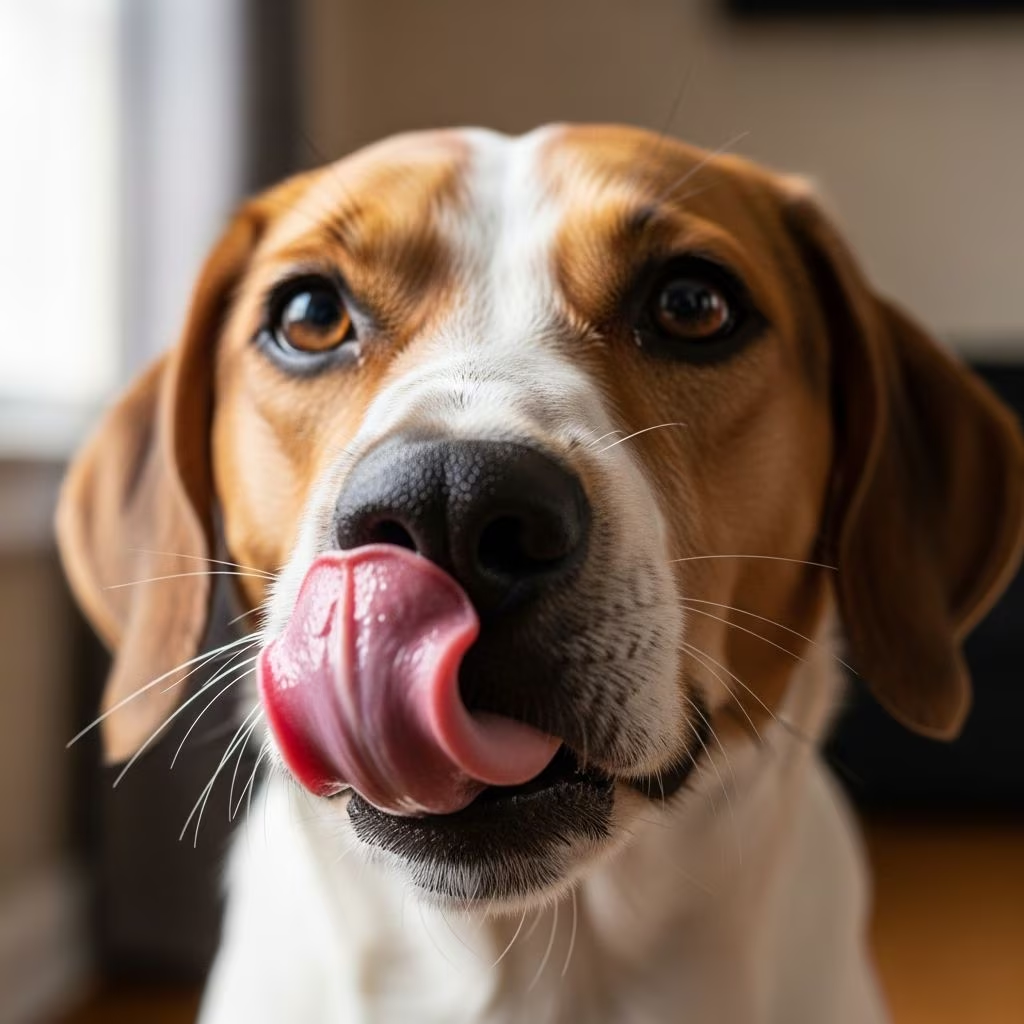
Dogs lick their owners for a range of instinctual reasons rooted in their evolutionary history and social nature. This behavior, while often endearing, can become excessive and signal underlying issues like stress or health concerns. Understanding these motivations allows owners to respond appropriately and foster a healthier bond.
The Instinctual Roots of Canine Licking
Licking originates from wild canid behaviors where puppies stimulate mothers to regurgitate food by licking their muzzles. Domesticated dogs retain this instinct, adapting it to interact with humans. It serves as a multifaceted tool for sensory input, emotional expression, and social signaling.
- Sensory Gathering: Dogs use their tongues to explore tastes, textures, and scents on human skin, such as salt from sweat or food residues.
- Hormonal Boost: Licking triggers oxytocin release in both dog and owner, enhancing feelings of trust and attachment.
- Endorphin Effect: The act stimulates endorphins and dopamine, providing pleasure and calm.
Primary Motivations Behind Your Dog’s Licks
Dogs lick for affection, communication, attention, and more. Recognizing context helps interpret intent accurately.
| Motivation | Description | Common Contexts |
|---|---|---|
| Affection and Bonding | Extends puppyhood grooming to humans as pack members, signaling love and security. | During petting or relaxed greetings. |
| Communication Signal | Conveys submission, peacemaking, or intentions to avoid conflict. | After play or in tense situations. |
| Attention Seeking | Initiates interaction or play when ignored. | When owner is busy or distracted. |
| Taste Appeal | Attracted to salty skin, lotions, or food smells. | Post-meal or after sweating. |
| Self-Calming | Displacement behavior to soothe anxiety via endorphins. | During stress like loud noises or separation. |
When Licking Signals Emotional Distress
Not all licks are positive. Frequent or intense licking often indicates stress, where dogs self-soothe through endorphin release. High-frequency licking pairs with signs like pacing or whining, pointing to anxiety from separation, environmental changes, or overstimulation.
In social dynamics, licks can politely request space. Ignoring this may escalate to growling or snapping as the dog seeks to stop unwanted petting. Owners should observe body language: relaxed ears and tail wags suggest affection, while tense posture signals discomfort.
Health-Related Causes of Excessive Licking
Beyond behavior, persistent licking warrants veterinary attention. It may stem from:
- Skin Conditions: Allergies, infections, or irritations prompt licking for relief.
- Gut Issues: Nausea leads to air or surface licking.
- Pain or Neurological Problems: Compulsive patterns indicate deeper disorders.
- Boredom: Lack of stimulation turns licking into a habit.
Monitor for hot spots, hair loss, or limping alongside licking. Early vet checks prevent complications.
Practical Strategies to Reduce Unwanted Licking
Managing licking involves positive reinforcement, redirection, and environmental tweaks. Consistency is key to reshaping behavior.
- Ignore and Redirect: Turn away without eye contact or talking when licking starts, then reward calm sitting with treats or play.
- Teach Alternatives: Train ‘sit’ or ‘paw’ commands to replace licking for attention.
- Enrich Environment: Provide puzzle toys, chews, or walks to combat boredom and anxiety.
- Use Barriers: Apply pet-safe bitter sprays on hands or wear gloves during training phases.
- Exercise Routine: Daily physical and mental activity reduces stress-driven licking.
For anxiety-rooted cases, consult professionals for desensitization or medication if needed.
Building a Stronger Bond Without Excess Licks
Curbside licking doesn’t mean less love. Focus on mutual activities like training sessions or gentle massages to release oxytocin differently. Respect your dog’s signals to prevent escalation and promote trust.
Track progress with a journal noting lick frequency, triggers, and responses. Adjust methods based on what works for your dog’s personality.
Frequently Asked Questions (FAQs)
Is it okay to let my dog lick me occasionally?
Yes, occasional licks are normal and bonding. Intervene only if excessive or accompanied by distress signs.
What if my dog licks everything, not just me?
This suggests anxiety, allergies, or nausea. Vet evaluation is essential.
How long does training take to stop licking?
Typically 2-4 weeks with consistency, varying by dog age and reinforcement.
Does breed affect licking behavior?
High-energy breeds like Labs may lick more for attention; anxious breeds like herding dogs for calming.
Can diet influence licking habits?
Yes, nutritional deficiencies or allergies can trigger it. Balanced diets help.
By decoding licks, owners empower better care. Balanced responses ensure a joyful, lick-moderated companionship.
References
- The Behavioural Science Behind Canine Hand-Licking: Insights and Responses — Pine Grove Veterinary Hospital. 2023. https://www.pinegroveveterinaryhospital.ca/news/the-behavioural-science-behind-canine-hand-licking-insights-and-responses
- Why Do Dogs Lick You? — PetMD. 2024-01-15. https://www.petmd.com/dog/behavior/why-do-dogs-lick-you
- Understanding Your Dog’s Licking Behaviors — Advanced Animal Care. 2023-05-10. https://www.advancedanimalcare.com/services/dogs/blog/why-does-my-dog-lick-so-much-decoding-dog-licking-behaviors
- What It Means When a Dog Licks You — Psychology Today. 2022-06-20. https://www.psychologytoday.com/us/blog/canine-corner/202206/what-it-means-when-a-dog-licks-you
- Why do dogs lick people — BBC Science Focus. 2023. https://www.sciencefocus.com/nature/why-do-dogs-lick-people
- Why Do Dogs Lick Things? — Purina. 2024-02-28. https://www.purina.com/articles/dog/behavior/understanding-dogs/why-do-dogs-lick
- Licking Behavior Explained — Beyond the Dog Training. 2023-11-05. https://beyondthedogtraining.com/dog-training/licking-behavior-explained/
- Why Does My Dog Lick Me? — American Kennel Club (AKC). 2024-03-01. https://www.akc.org/expert-advice/advice/why-is-my-dog-licking-me/



