

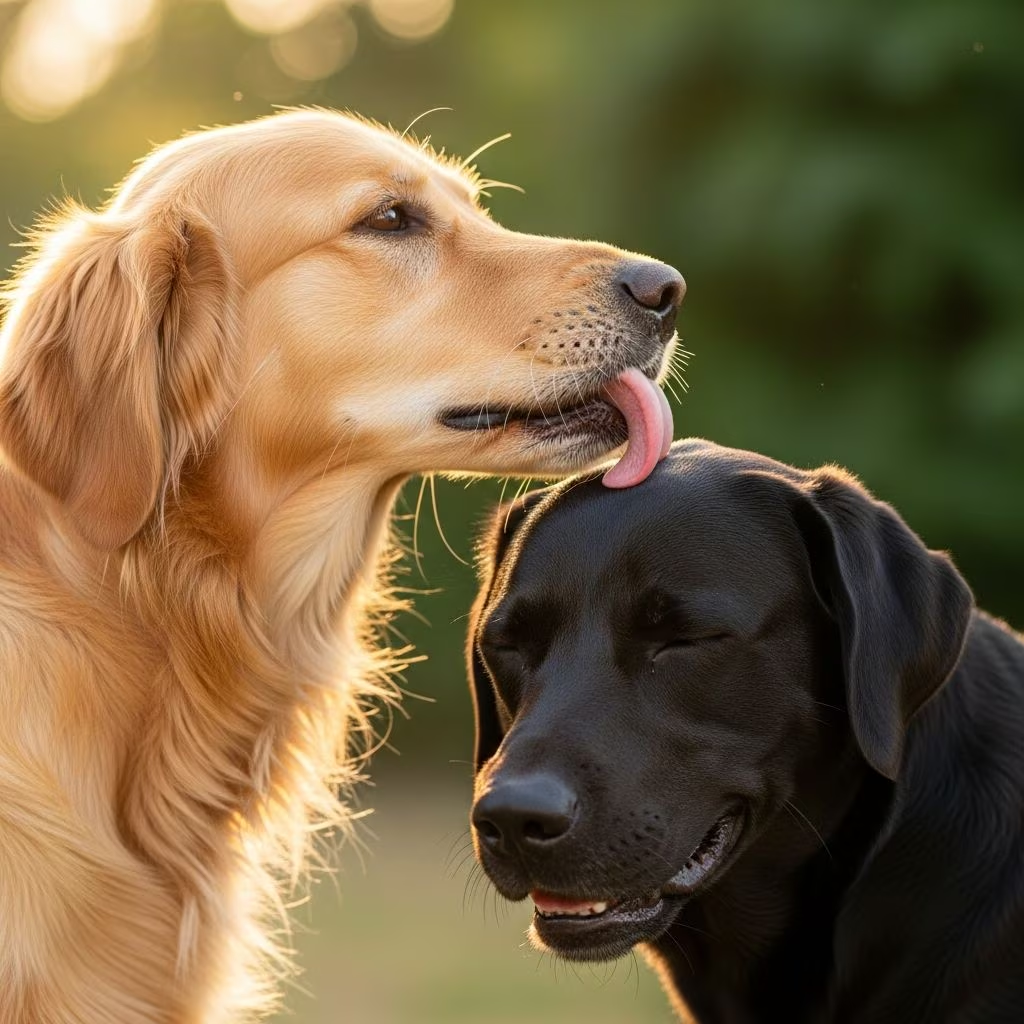
Dogs lick each other as a fundamental form of communication, rooted in their evolutionary history and pack dynamics. This behavior serves multiple roles, including strengthening social ties, signaling submission, and providing comfort during stress.
The Evolutionary Roots of Canine Licking
From their earliest days, puppies engage in licking to interact with their mother and littermates. Mother dogs lick their young to clean them, stimulate bodily functions, and provide comfort, establishing a pattern that persists into adulthood. This instinctual action helps puppies communicate needs like hunger or security, fostering early social bonds.
In wild canid packs, such as wolves, subordinate members lick the faces of dominant ones upon their return from hunts. This prompts regurgitation of food, ensuring pup survival and reinforcing hierarchy. Domestic dogs retain this behavior, adapting it to interactions within their human families or multi-dog households.
Social Bonding Through Mutual Grooming
One primary reason dogs lick each other is to build and maintain social connections. Licking releases oxytocin, the ‘love hormone,’ in both the licker and the recipient, promoting feelings of trust and affiliation. This mirrors human parent-child bonding and explains why dogs often lick familiar pack members gently during greetings.
- Affectionate exchanges: Calm, rhythmic licking between dogs indicates contentment and closeness.
- Pack reinforcement: In groups, dogs lick to reaffirm relationships, reducing tensions.
- Oxytocin boost: Mutual licking elevates this hormone, enhancing emotional security.
Observations show that dogs direct licks preferentially toward those they know well, underscoring its role in familiarity and trust rather than random exploration.
Establishing Hierarchy and Submission
Licking frequently signals deference in canine social structures. Lower-ranking dogs lick the muzzles or faces of alphas to show respect and appease potential aggression. This submissive gesture clears paths for peaceful coexistence and prevents conflicts.
| Behavior Type | Description | Context |
|---|---|---|
| Submissive Lick | Quick licks to face or muzzle | Greeting higher-status dog |
| Dominant Response | Minimal or no reciprocation | Acknowledging status |
| Reciprocal Grooming | Equal licking between peers | Strengthening bonds |
Such interactions maintain order, with dominant dogs often standing tall while recipients remain passive.
Grooming and Hygiene in Dog Packs
Beyond social cues, dogs lick each other for practical cleaning. Mutual grooming removes dirt, parasites, and debris, promoting health in the group. Pups receive this care from mothers, learning hygiene while bonding.
In adult dogs, licking targets hard-to-reach areas like ears, paws, or wounds, aiding healing through saliva’s mild antibacterial properties. However, excessive focus on one spot may indicate allergies or injuries requiring veterinary attention.
Stress Relief and Self-Soothing Mechanisms
Licking calms anxious dogs by releasing endorphins and dopamine, neurotransmitters that induce relaxation. Dogs under stress—due to separation, new environments, or conflicts—may lick pack mates or themselves excessively as a coping strategy.
- Anxiety indicator: Rapid, persistent licking signals unease.
- Calming effect: Triggers pleasure chemicals, reducing cortisol.
- Displacement activity: Occurs during uncertainty to self-regulate.
When dogs lick each other during tense moments, it diffuses group stress, restoring harmony.
Taste Exploration and Sensory Gathering
Dogs possess around 1,700 taste buds compared to humans’ 9,000, but their licking gathers multifaceted sensory data. Saliva collects scents and flavors from fur, revealing diet, health, or recent activities of the licked dog.
This behavior allows chemical communication, where one dog ‘tastes’ another’s status or mood. Contrary to myths, salt attraction lacks strong evidence due to dogs’ limited salt receptors. Instead, it’s more about olfaction via the tongue.
When Licking Between Dogs Becomes Excessive
Normal licking is brief and reciprocal, but obsession can signal issues. Compulsive licking may stem from boredom, nutritional gaps, pain, or conditions like gastrointestinal upset.
Monitor for:
- Hair loss or sores from over-licking.
- Targeting specific body parts persistently.
- Accompanying signs like lethargy or appetite changes.
Consult a vet if licking disrupts daily life or causes skin damage. Enrichment like puzzle toys or lick mats redirects energy positively.
Interpreting Lick Intensity and Frequency
The manner of licking conveys nuanced messages. Gentle, sporadic licks denote affection, while frantic ones suggest excitement or distress. Context matters: post-play licking bonds participants, whereas avoidance during licks hints at discomfort.
In multi-dog homes, observe patterns to understand dynamics. Puppies lick adults for guidance; adults reciprocate to nurture.
Health Implications of Canine Licking Behaviors
While beneficial, licking spreads bacteria if wounds are present. Watch for infections post-grooming. Saliva aids minor healing but can’t replace medical care for serious injuries.
Nutritionally, dogs may lick for micronutrients absent in diet, prompting dietary reviews with professionals.
Encouraging Healthy Licking Interactions
Promote positive licking through training and environment. Reward calm greetings to reinforce good habits. Provide alternatives like chew toys for anxious lickers.
For owners with multiple dogs, supervised introductions build licking as a peaceful signal rather than conflict precursor.
FAQs: Common Questions on Dog Licking
Is dog-on-dog licking always friendly?
Mostly yes, but intense or one-sided licking can indicate dominance or stress. Observe body language for tails, ears, and posture.
Why do puppies lick more than adults?
Puppies seek food, comfort, and learning; adults use it more selectively for bonds or hierarchy.
Can excessive licking harm a dog’s skin?
Yes, it leads to hot spots, infections, or acral lick dermatitis. Interrupt and redirect promptly.
Does licking mean my dogs love each other?
Often, as it boosts oxytocin and shows trust, but pair with other affection signs like play.
Should I stop my dogs from licking each other?
Not unless excessive or harmful; it’s natural pack behavior. Intervene medically if needed.
References
- The Behavioural Science Behind Canine Hand-Licking: Insights and Responses — Pine Grove Veterinary Hospital. 2023. https://www.pinegroveveterinaryhospital.ca/news/the-behavioural-science-behind-canine-hand-licking-insights-and-responses
- Why Dogs Like to Lick Us — Psychology Today. 2021-10-01. https://www.psychologytoday.com/us/blog/canine-corner/202110/why-dogs-like-to-lick-us
- Why do dogs lick humans? — Popular Science. 2023. https://www.popsci.com/science/why-do-dogs-lick-humans/
- Why Dogs Lick You. 5 Science-Based Reasons — Canine Brain Games. 2024. https://caninebraingames.dog/why-dogs-lick-you/
- Why Do Dogs Lick You? — PetMD. 2024. https://www.petmd.com/dog/behavior/why-do-dogs-lick-you
- What’s the Meaning Behind a Dog’s Welcomed (or Not Welcomed) Lick — Discover Magazine. 2019. https://www.discovermagazine.com/whats-the-meaning-behind-a-dogs-welcomed-or-not-welcomed-lick-45212
- Why Does My Dog Lick Me? — American Kennel Club. 2024. https://www.akc.org/expert-advice/advice/why-is-my-dog-licking-me/



