

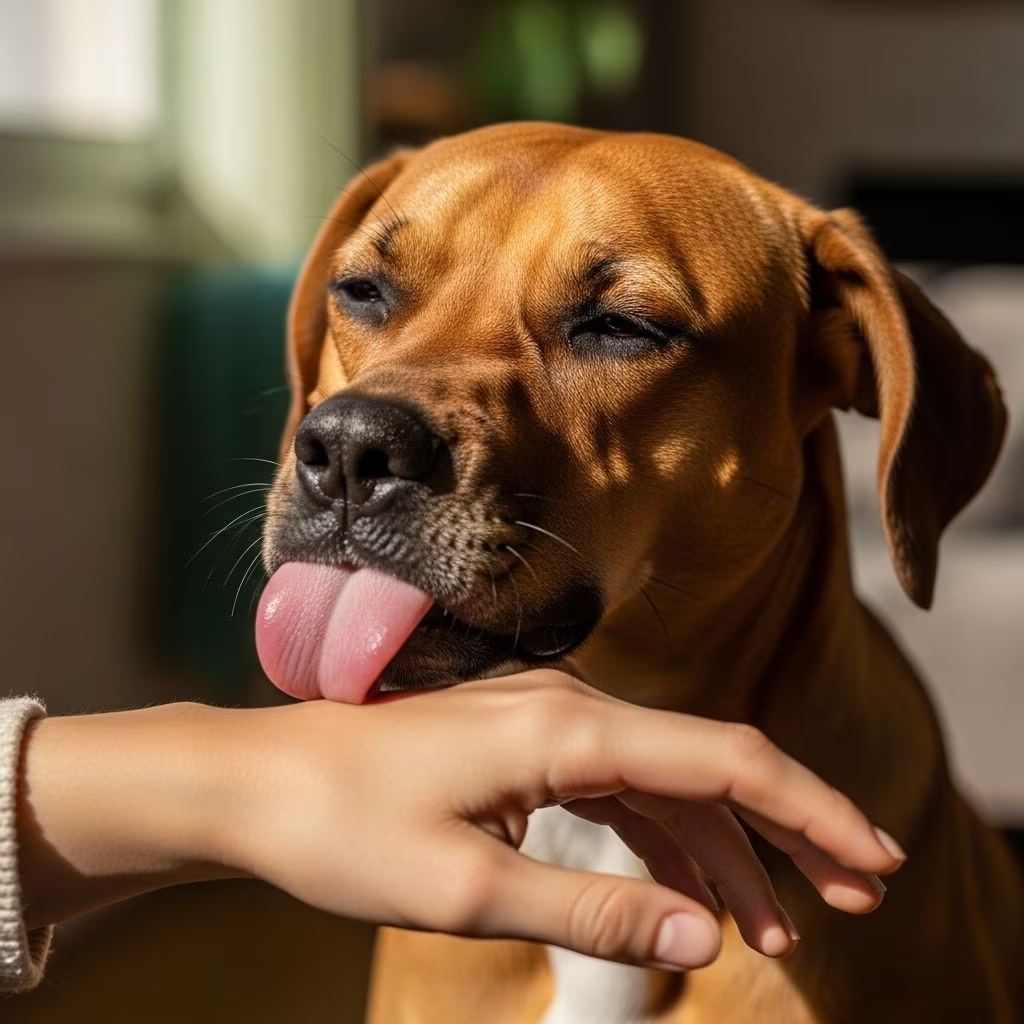
Dogs lick their owners for a range of instinctual and emotional reasons, blending affection, communication, sensory exploration, and self-soothing behaviors. While often endearing, excessive licking can signal underlying issues like anxiety or health problems, requiring targeted management strategies.
The Instinctual Roots of Canine Licking
Licking traces back to a dog’s earliest days as puppies, where mothers use it to clean, stimulate digestion, and nurture their young. This foundational behavior persists into adulthood, manifesting in interactions with humans as a sign of trust and care.
Adult dogs extend this grooming ritual to family members, viewing owners as pack mates worthy of mutual care. The act reinforces social ties, much like wolves in the wild lick to maintain group harmony.
Primary Motivations Behind Your Dog’s Licks
Dogs employ licking as a multifaceted tool for expression. Here’s a breakdown of the most common drivers:
- Affection and Bonding: A gentle lick often mirrors a ‘kiss,’ conveying love and security. It activates oxytocin release in both dog and owner, deepening emotional connections.
- Taste and Sensory Appeal: Human skin offers intriguing flavors from sweat, salts, or food residues. Dogs’ taste buds detect these subtleties, prompting exploratory licks.
- Attention Requests: Persistent licking can be a nudge for play, walks, or pets, especially if past licks yielded positive responses.
- Submission Signals: In canine hierarchy, licking faces or hands shows deference, acknowledging the owner’s leadership without aggression.
| Motivation | Typical Context | Body Language Cues |
|---|---|---|
| Affection | Relaxed greetings | Wagging tail, soft eyes |
| Attention | Boredom or routine times | Play bows, excited posture |
| Submission | During corrections | Lowered head, averted gaze |
| Sensory | After meals or sweating | Focused sniffing first |
Physiological Effects of Licking on Dogs
Biochemically, licking triggers endorphin and dopamine surges, creating feelings of calm and pleasure. This natural reward system explains why dogs repeat the behavior, particularly in tense moments.
Research from the University of Lincoln highlights how even viewing angry faces in photos prompts lip-licking as a stress response, indicating licking’s role in emotional regulation.
Recognizing When Licking Signals Stress or Discomfort
Not all licks are purely positive. Contextual clues help distinguish benign from concerning patterns:
- Calming Mechanism: In overwhelming situations like loud noises or separations, dogs lick to self-soothe via endorphin release.
- Displacement Activity: Lip or air-licking arises from conflict or anxiety, serving as a non-confrontational pause.
- ‘Please Stop’ Indicator: Rapid licks during unwanted petting warn of overstimulation; ignoring them risks escalation to growling.
Frequency matters: occasional licks are normal, but nonstop sessions suggest deeper issues.
Health-Related Causes of Excessive Licking
Beyond behavior, medical factors can drive licking:
- Skin Conditions: Allergies, infections, or irritants prompt targeted licking for relief.
- Gastrointestinal Distress: Nausea may cause air or surface licking.
- Pain or Neurological Issues: Compulsive patterns signal discomfort needing veterinary evaluation.
Monitor for accompanying symptoms like redness, limping, or appetite changes. A vet check rules out these before behavioral tweaks.
Practical Techniques to Reduce Unwanted Licking
Cur-tail licking humanely by redirecting instincts and rewarding alternatives:
- Ignore and Redirect: Turn away without reaction, then offer a toy or command like ‘sit’ for treats.
- Positive Reinforcement Training: Praise calm behaviors; use clickers for precision.
- Environmental Enrichment: Provide puzzle toys, chews, or exercise to curb boredom-driven licks.
- Desensitization for Anxiety: Gradually expose to triggers with counter-conditioning, paired with rewards.
- Physical Barriers: Long sleeves or bitter sprays deter hand targeting temporarily.
Consistency across household members prevents mixed signals. Track progress in a journal to identify patterns.
Building a Stronger Bond Without Excessive Licks
Encourage affection through non-lick alternatives like belly rubs or fetch games. These fulfill social needs while setting boundaries, fostering mutual respect.
Regular routines—walks, training sessions, mental stimulation—minimize stress-induced licking, promoting a balanced lifestyle.
FAQs on Dog Licking Behaviors
Is it bad if my dog licks me a lot?
Moderate licking is harmless and affectionate, but excess may indicate anxiety, allergies, or nausea. Consult a vet if persistent.
Why does my dog lick my face specifically?
Faces carry strong scents and mimic pack grooming. It’s a trust gesture, though hygiene concerns warrant redirection.
How can I train my dog to stop licking guests?
Teach ‘leave it’ or ‘place’ commands pre-visits. Reward compliance and keep interactions brief initially.
Does licking mean my dog is happy?
Often yes, paired with relaxed cues. Context like tail wags confirms joy; stiff posture suggests appeasement.
When should I worry about self-licking?
If it causes bald spots, redness, or occurs obsessively, seek professional advice for allergies or compulsions.
Long-Term Strategies for Lick-Free Harmony
Integrate daily wellness checks, varied exercise, and professional training classes. For stubborn cases, certified behaviorists offer tailored plans.
Understanding licking demystifies this habit, transforming it from nuisance to insight into your dog’s world. Patient, informed responses yield calmer, happier companions.
References
- The Behavioural Science Behind Canine Hand-Licking: Insights and Responses — Pine Grove Veterinary Hospital. 2023. https://www.pinegroveveterinaryhospital.ca/news/the-behavioural-science-behind-canine-hand-licking-insights-and-responses
- Why Do Dogs Lick You? — PetMD. 2024. https://www.petmd.com/dog/behavior/why-do-dogs-lick-you
- What Is the Meaning of Lip Licking or Air Licking in Dogs? — Psychology Today. 2018-06-01. https://www.psychologytoday.com/us/blog/canine-corner/201806/what-is-the-meaning-lip-licking-or-air-licking-in-dogs
- Understanding Your Dog’s Licking Behaviors — Advanced Animal Care. 2023. https://www.advancedanimalcare.com/services/dogs/blog/why-does-my-dog-lick-so-much-decoding-dog-licking-behaviors
- Expert explains why dogs lick you — CBS News. 2023. https://www.cbsnews.com/news/why-dogs-lick-you-expert-explains/
- Why Do Dogs Lick Things? — Purina. 2024. https://www.purina.com/articles/dog/behavior/understanding-dogs/why-do-dogs-lick
- Licking Behavior Explained — Beyond the Dog Training. 2023. https://beyondthedogtraining.com/dog-training/licking-behavior-explained/
- Why Does My Dog Lick Me? — American Kennel Club. 2024. https://www.akc.org/expert-advice/advice/why-is-my-dog-licking-me/



