

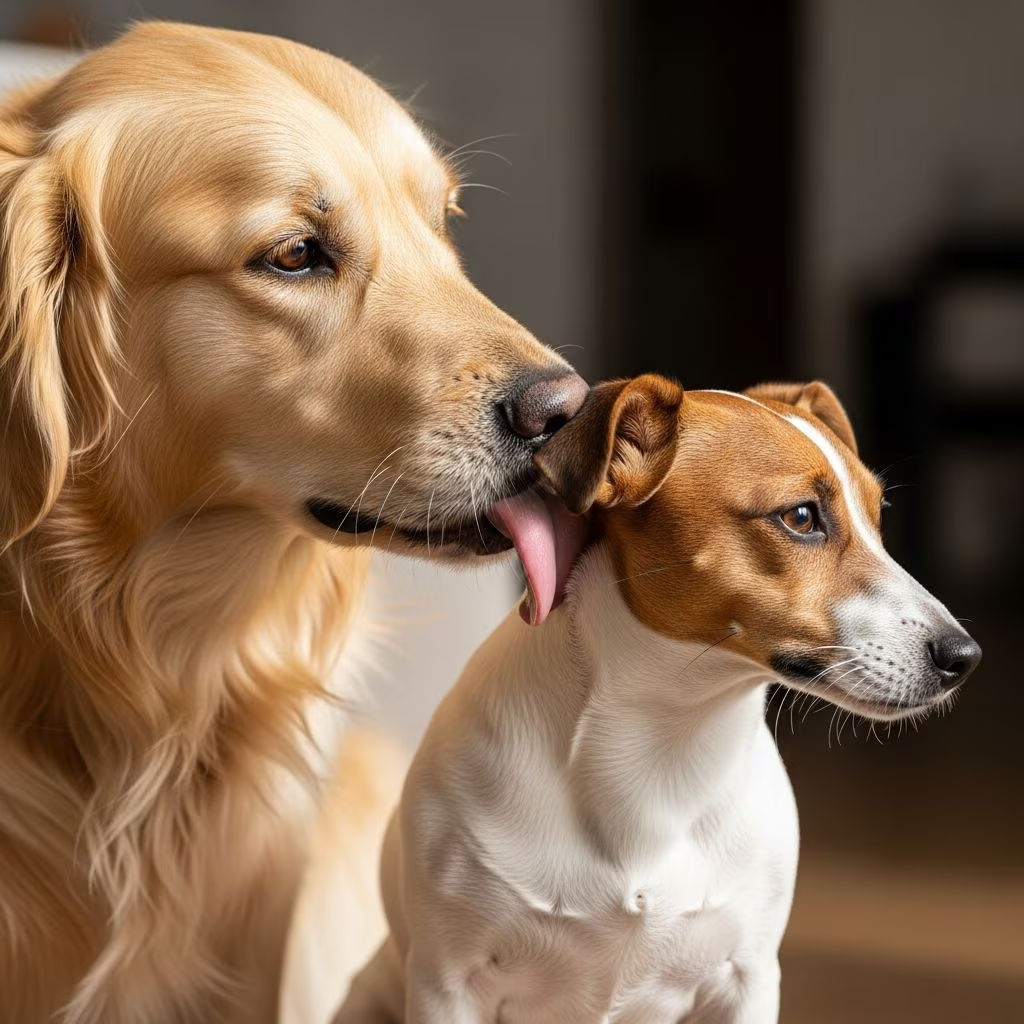
Dogs frequently lick one another as a fundamental aspect of their social interactions, serving purposes ranging from hygiene maintenance to emotional expression. This behavior, deeply embedded in canine instincts, helps strengthen pack bonds and communicate needs within groups.
The Instinctual Roots of Canine Licking
From their earliest days, dogs engage in licking as puppies instinctively lap at their mother’s mouth to solicit regurgitated food, a survival mechanism inherited from wild ancestors. This practice evolves into adult behaviors where licking facilitates group cohesion and individual signaling.
- Puppies use licking to prompt feeding from dams, ensuring nutritional intake.
- Adult dogs extend this to mutual grooming, reinforcing familial ties.
- Observational studies of wild canids confirm licking’s role in food begging and social appeasement.
Understanding these origins reveals licking not merely as affection but as a multifaceted communication tool shaped by evolution.
Social Bonding Through Grooming Rituals
Mutual licking acts as a primary method for dogs to build and maintain relationships within their social units. When one dog licks another’s face or body, it signals trust and affiliation, much like human hugs foster closeness.
Research indicates that such interactions trigger oxytocin release in both lickers and recipients, enhancing emotional connections. This ‘love hormone’ surge promotes feelings of security and reduces tension in group settings.
| Grooming Type | Purpose | Common Context |
|---|---|---|
| Face Licking | Affection & Submission | Greetings or deference to dominant pack members |
| Body Licking | Cleaning & Bonding | Post-play or rest periods |
| Paw Licking | Comfort & Hygiene | Stress relief or wound care |
These rituals are especially prevalent in multi-dog households, where frequent licking indicates harmonious dynamics.
Hierarchy and Submission Signals
Licking often denotes respect for higher-ranking pack members, with subordinate dogs targeting the muzzle or ears of alphas. This appeasement gesture diffuses potential conflicts and affirms social order.
- Lower-status dogs lick superiors to show non-threat.
- Reciprocal licking from dominants reinforces the hierarchy.
- Excessive submission licking may highlight anxiety or instability in group structure.
Veterinary behaviorists note that disrupted hierarchies, such as during rehoming, can amplify these displays until stability returns.
Grooming for Health and Hygiene
Beyond social functions, dogs lick each other to remove dirt, parasites, and debris, mimicking wild pack hygiene practices. This cooperative cleaning prevents infections and maintains coat health.
Targeted licking around wounds accelerates healing by applying saliva’s natural antibacterial enzymes, though excessive action warrants monitoring for complications.
Stress Relief and Self-Soothing Mechanisms
When dogs lick companions amid tension, it serves as a calming outlet, lowering cortisol levels and promoting endorphin release. This mirrors self-licking during isolation or discomfort.
Owners observe intensified licking during fireworks or separations, signaling a need for reassurance. Introducing enrichment like puzzle toys can redirect this energy positively.
When Licking Indicates Potential Problems
While normative, obsessive licking may flag issues like allergies, gastrointestinal distress, or compulsive disorders. Distinguish healthy from problematic by frequency and focus:
- Normal: Brief, reciprocal sessions during interactions.
- Concerning: Persistent on one area, leading to hair loss or sores.
Consult veterinarians if licking pairs with lethargy, appetite changes, or aggression shifts. Bloodwork or dermatological exams often pinpoint underlying causes.
Interpreting Licking in Human-Dog Contexts
Dogs extend licking to humans, blending pack behaviors with sensory curiosity. Salty skin tastes appeal, while face licks echo puppy food solicitation.
Human reactions—laughter or petting—reinforce the habit, creating a feedback loop. Balanced responses prevent escalation into attention-seeking excesses.
Enhancing Positive Licking Behaviors
Channel natural inclinations through lick mats smeared with peanut butter or frozen broth, satisfying instincts without overstimulation. Training redirects unwanted licks via ‘leave it’ cues and rewards.
- Provide safe outlets like flavored toys.
- Use positive reinforcement for calm interactions.
- Monitor multi-dog homes for balanced grooming.
FAQs on Dog Licking Behaviors
Is dog-on-dog licking always affectionate?
No, it can also convey submission, grooming needs, or stress, depending on context and body language.
Should I stop my dogs from licking each other?
Only intervene if excessive or causing irritation; otherwise, it supports their social wellness.
Why does my dog lick others more than me?
This may reflect pack roles where they perceive peers as grooming equals, or your cleaner skin offers less sensory appeal.
Can licking spread diseases between dogs?
Rarely, but possible with open wounds; vaccinate and monitor health to minimize risks.
How do I reduce excessive licking?
Increase exercise, mental stimulation, and vet checkups to address root causes like boredom or anxiety.
Comparative Licking Across Canine Species
Wolves exhibit similar patterns, with pups licking adults for food and adults grooming subordinates, underscoring domestic dogs’ retained wild traits. Foxes show less frequency, tied to solitary tendencies.
This continuity highlights licking’s adaptive value across canid evolution.
References
- Why Does My Dog Lick Me? — American Kennel Club. 2023-05-15. https://www.akc.org/expert-advice/advice/why-is-my-dog-licking-me/
- Why Do Dogs Lick You? — PetMD. 2024-02-20. https://www.petmd.com/dog/behavior/why-do-dogs-lick-you
- Why Dogs Like to Lick Us — Psychology Today. 2021-10-12. https://www.psychologytoday.com/us/blog/canine-corner/202110/why-dogs-like-to-lick-us
- Why do dogs lick humans? — Popular Science. 2023-08-10. https://www.popsci.com/science/why-do-dogs-lick-humans/
- The Behavioural Science Behind Canine Hand-Licking — Pine Grove Veterinary Hospital. 2024-11-05. https://www.pinegroveveterinaryhospital.ca/news/the-behavioural-science-behind-canine-hand-licking-insights-and-responses



