

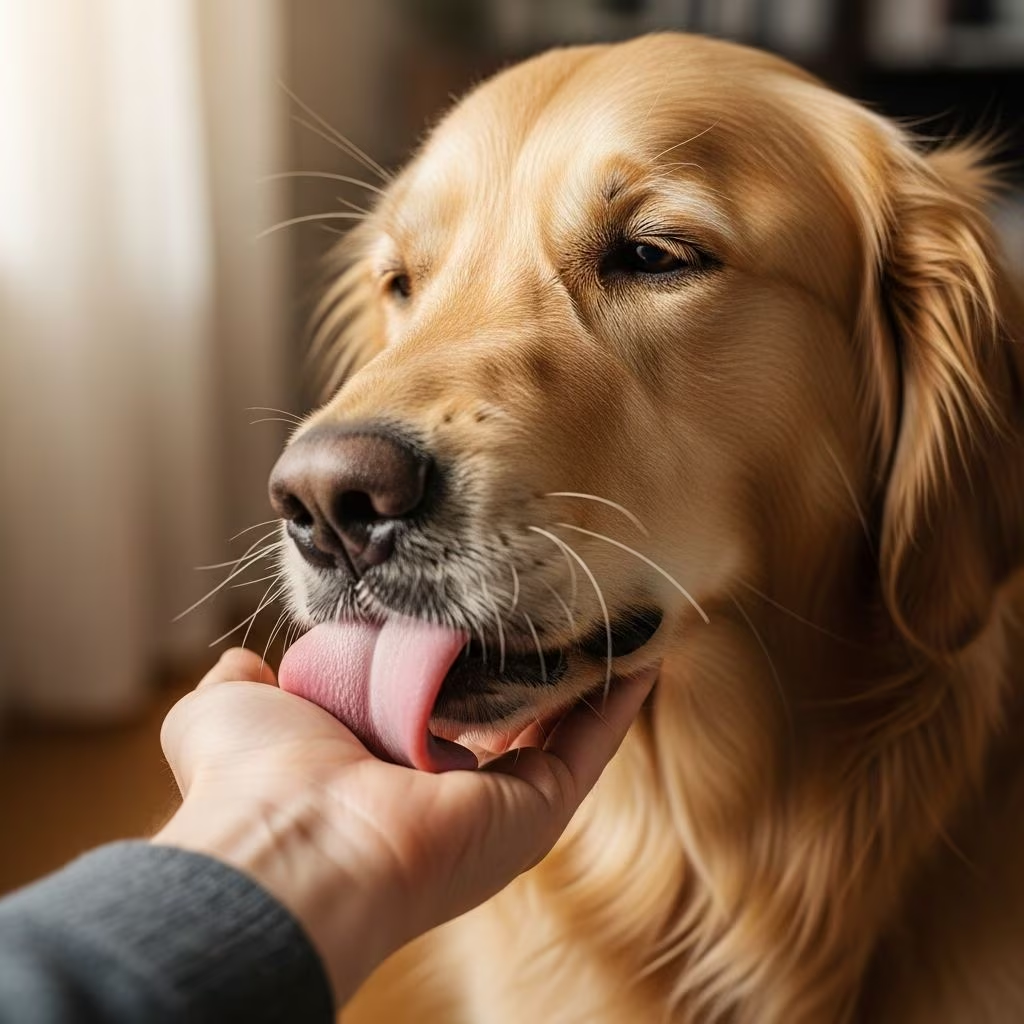
Dogs lick for a variety of reasons rooted in their biology, social nature, and environment. This behavior serves as a key communication tool, offering insights into their emotional state and needs.
The Evolutionary Roots of Canine Licking
Licking traces back to wolves and wild canids, where puppies lick their mother’s face to stimulate regurgitation of food. In domesticated dogs, this instinct has evolved into broader uses like greeting and bonding.
Domestication has amplified juvenile traits, known as neoteny, making adult dogs retain puppy-like behaviors such as frequent licking for social interaction.
Primary Motivations Behind Licking
Dogs engage in licking to fulfill sensory, emotional, and social purposes. Understanding these helps owners interpret and respond appropriately.
Affection and Emotional Bonding
One of the most common reasons dogs lick humans is to express love and strengthen bonds. The act triggers oxytocin release in both dog and owner, mimicking the ‘love hormone’ effects seen in human interactions.
Gentle face or hand licks often signal happiness upon reunion, similar to how pack members greet each other.
Sensory Exploration and Taste Appeal
A dog’s tongue acts as a sensory organ, detecting salts from sweat, skin oils, or food residues on human skin. Hands, especially after handling food, become prime targets for this exploration.
This behavior allows dogs to ‘taste’ their environment, gathering data on textures and flavors that intrigue them.
Attention-Seeking and Play Initiation
Licking frequently draws owner attention, leading to pets, play, or walks. Dogs learn this quickly through positive reinforcement from excited responses.
- Gentle licks: Request for interaction or affection.
- Persistent licks: Indication of boredom or unmet needs like exercise.
- Targeted areas: Face or lips often post-meal due to appealing scents.
Licking as Communication in Social Contexts
Canines use licks within their social hierarchy. Toward humans, it conveys messages about status, intentions, and emotions.
| Lick Type | Meaning | Context |
|---|---|---|
| Gentle, intermittent | Affection or greeting | Upon arrival home |
| Rapid, repetitive | Submission or appeasement | During tense situations |
| Intense, prolonged | Stress or discomfort | Around strangers or loud noises |
High-frequency licking may signal deference, asking ‘permission’ or signaling harmlessness.
When Licking Indicates Stress or Anxiety
Not all licks are positive. Excessive licking can be a self-soothing mechanism, releasing endorphins and dopamine to calm nerves in stressful scenarios.
Triggers include separation, loud sounds, or changes like moving. Dogs may lick paws, legs, or air as displacement behaviors.
- Anxiety-related: Occurs in predictable stressful events.
- Compulsive: Hard to interrupt, persists without cause.
Health-Related Causes of Excessive Licking
Beyond behavior, licking signals medical issues. Owners should monitor for patterns suggesting problems.
Skin and Allergy Problems
Allergies, infections, or irritations prompt licking affected areas like paws or flanks to soothe itchiness.
Gastrointestinal or Neurological Signs
Nausea might cause air or surface licking; neurological disorders can lead to obsessive patterns.
Boredom exacerbates licking; enrichment like puzzle toys or lick mats redirects energy.
How to Manage and Redirect Licking Behaviors
Balanced responses maintain bonds without encouraging excess. Strategies include:
- Ignore unwanted licks: Turn away calmly to avoid reinforcement.
- Provide alternatives: Offer toys or mats flavored with pet-safe spreads.
- Increase stimulation: More walks, training, or mental games reduce boredom-driven licks.
- Train commands: Teach ‘enough’ or ‘no lick’ with treats for compliance.
For persistent cases, consult professionals for behavior modification.
Interpreting Licks on Different Targets
Licking People vs. Themselves
Human-directed licks focus on social/emotional needs; self-licking often ties to comfort or health issues.
Object or Floor Licking
This explores scents or indicates nausea/stress. Clean surfaces and observe for patterns.
FAQs on Dog Licking Behavior
Is it safe for dogs to lick my face?
Occasional licks are harmless, but bacteria in dog saliva can pose risks, especially for immunocompromised people. Limit if hygiene concerns arise.
Why does my dog lick me more at night?
Nighttime increases bonding opportunities and relaxation, prompting affection seeks. Routine consistency helps.
How much licking is too much?
When it interferes with daily life, causes skin damage, or pairs with other signs like lethargy, vet evaluation is needed.
Can I stop my dog from licking entirely?
Complete suppression ignores natural instincts. Redirection preserves communication while setting boundaries.
Does breed affect licking habits?
Some breeds like Labradors lick more due to sociable traits, but individual personality and training matter most.
Building a Stronger Bond Through Understanding
Recognizing lick meanings enhances relationships. Respond to affection with pets, redirect stress with calm reassurance, and address health cues promptly.
Enriched environments and clear training foster confident, less needy dogs.
References
- The Behavioural Science Behind Canine Hand-Licking: Insights and Responses — Pine Grove Veterinary Hospital. 2023. https://www.pinegroveveterinaryhospital.ca/news/the-behavioural-science-behind-canine-hand-licking-insights-and-responses
- Why Do Dogs Lick You? — PetMD. 2024-10-15. https://www.petmd.com/dog/behavior/why-do-dogs-lick-you
- The (rather gross) reason your dog loves to lick people — BBC Science Focus Magazine. 2023. https://www.sciencefocus.com/nature/why-do-dogs-lick-people
- Why Do Dogs Lick Things? — Purina. 2024. https://www.purina.com/articles/dog/behavior/understanding-dogs/why-do-dogs-lick
- Why Does My Dog Lick Me? — American Kennel Club (AKC). 2024-05-20. https://www.akc.org/expert-advice/advice/why-is-my-dog-licking-me/
- Licking Behavior Explained — Beyond the Dog Training. 2023. https://beyondthedogtraining.com/dog-training/licking-behavior-explained/
- What It Means When a Dog Licks You — Psychology Today. 2022-06-12. https://www.psychologytoday.com/us/blog/canine-corner/202206/what-it-means-when-a-dog-licks-you



