

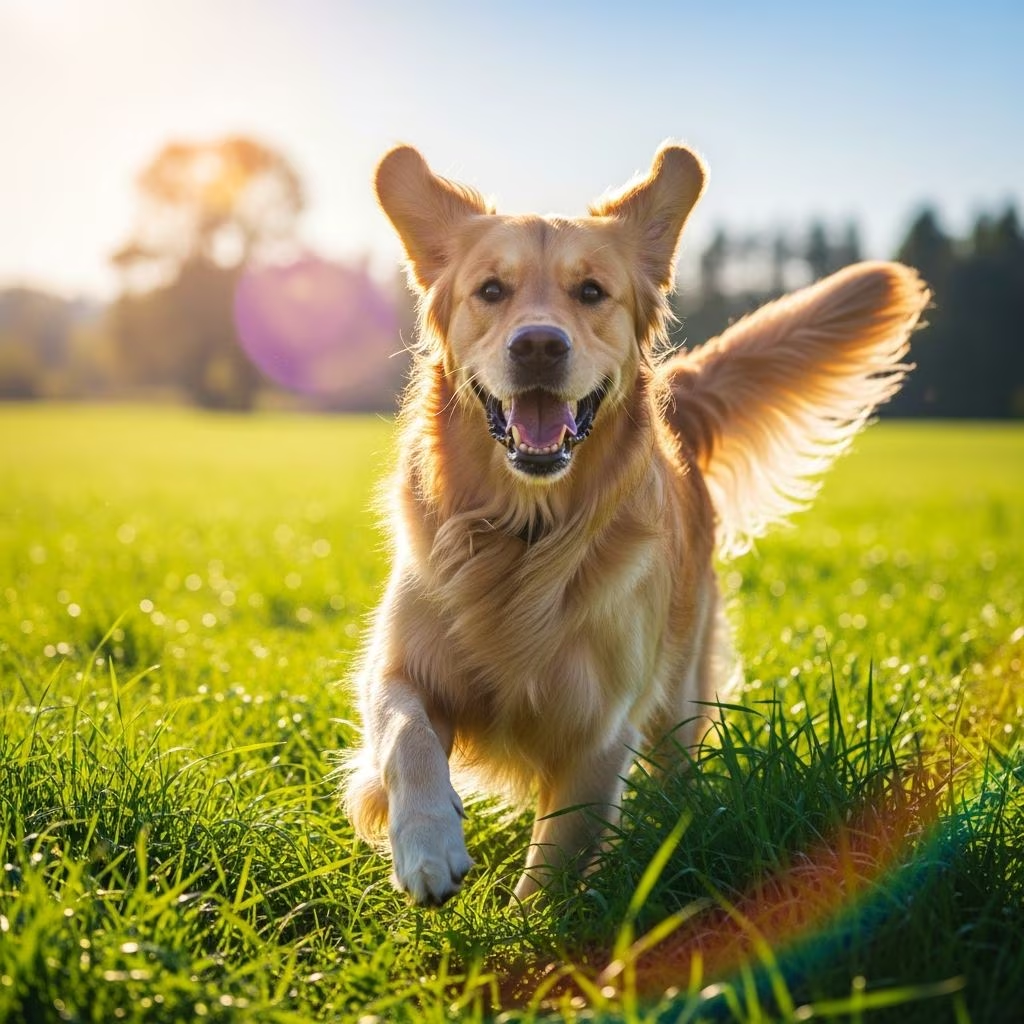
Understanding whether your dog is genuinely content is fundamental to responsible pet ownership. Dogs communicate primarily through body language, vocalizations, and routines, offering clear windows into their emotional state. By observing these signals daily, owners can foster an environment that promotes lasting well-being. This guide explores the multifaceted indicators of canine happiness, drawing from veterinary and behavioral expertise to help you interpret your dog’s feelings accurately.
Physical Postures That Signal Contentment
A dog’s body serves as its primary billboard for emotions. When relaxed, it adopts loose, fluid stances free from rigidity or tension. Look for soft muscles around the face and shoulders, with ears positioned naturally—not pinned back or rigidly forward. The tail often moves in gentle, rhythmic wags rather than stiff helices or tucks.
- Loose stance: The body appears wiggly, especially during greetings, indicating comfort and security.
- Neutral ears: Floppy or softly pricked, avoiding extremes that suggest alertness or fear.
- Relaxed jaw: A slightly open mouth with a lolling tongue mimics a smile, distinct from stress panting.
These postures emerge consistently in safe settings. Breeds vary—some like hounds naturally carry low tails—but deviations from your dog’s baseline warrant attention. A consistently tense body might signal underlying discomfort, while fluid movements affirm emotional ease.
The Power of Playful Energy
Play is a cornerstone of dog happiness, reflecting confidence and joy. Happy dogs initiate games with enthusiasm, using the classic “play bow”—front lowered, rear elevated—to invite interaction. They chase toys, bounce energetically, and incorporate fun vocalizations like yips or mock growls.
| Play Behavior | What It Means | Examples |
|---|---|---|
| Play bow | Invitation to fun | Front down, butt up, often with wagging |
| Toy engagement | Enthusiasm and stimulation | Shaking, retrieving, or gentle carrying |
| Bouncy movements | High spirits | Zoomies or circling with loose body |
Appropriate play avoids frustration; it’s reciprocal and ends calmly. Puppies and energetic breeds like Cockapoos display this readily, strengthening bonds and releasing pent-up energy. If play sessions leave your dog panting happily rather than overwhelmed, it’s a strong happiness cue.
Mealtime Excitement as a Wellness Barometer
A robust appetite mirrors both physical health and emotional stability. Content dogs approach meals with tail wags, pacing, and eager anticipation, finishing portions without hesitation. Consistent eating patterns—without refusal or gorging—indicate security.
- Visible enthusiasm pre-meal: Dancing or whining positively.
- Complete consumption: Steady bites, no leftovers.
- Stable preferences: No sudden aversions, suggesting routine comfort.
Fluctuations can stem from stress or illness, so track habits. Pairing meals with positive routines enhances this joy signal, ensuring nutritional needs support overall vitality.
Greeting Rituals Full of Affection
Enthusiastic reunions scream happiness. A joyful dog hurtles toward you with full-body wiggles, tail thrashing, and joyful noises—barks, whines, or yips—followed by licks and nuzzles. This “happy dance” shows deep attachment and relief at your return.
Leaning into pets or following calmly further cements trust. Contrast this with avoidance or stiffness, which may indicate anxiety. Daily greetings provide a quick emotional check-in.
Social Dynamics with Humans and Peers
Happy dogs seek balanced interaction. They enjoy cuddles, gentle contact, and eye contact without clinginess, often resting heads on laps or leaning affectionately. Positive responses to grooming or touch affirm security.
With other dogs, they greet calmly, respect space, and engage playfully if inclined—using soft cues rather than dominance or fear. Confident, neutral pass-bys in public reinforce social ease.
Exploratory Curiosity and Environmental Engagement
Curious sniffing and scanning surroundings without hypervigilance signal mental stimulation and confidence. Happy dogs explore parks or homes methodically, tails gently swaying, absorbing scents and sights at a relaxed pace.
- Calm sniffing sessions.
- Steady attention without fixation.
- Confident strides in new areas.
This behavior prevents boredom, a happiness thief. Enrichment like puzzle toys amplifies it.
Facial Expressions and Gaze Patterns
The “doggy smile”—relaxed open mouth, upturned corners, soft eyes—radiates pleasure. Paired with slow blinks or gentle staring, it conveys trust. Avoid mistaking tense grins for joy; true smiles accompany wags.
Restful Sleep Cycles
Deep, undisturbed sleep with twitching paws and soft snores indicates safety. Happy dogs cycle through active REM dreaming comfortably, waking refreshed rather than startled.
Breed Variations in Happiness Displays
Expressions differ by breed. Guard breeds like German Shepherds may show subtle wags, while terriers bounce wildly. Learn your dog’s normalcy—floppy-eared breeds relax differently than prick-eared ones.
Boosting Your Dog’s Happiness Levels
Recognizing signs is step one; enhancement follows. Provide daily exercise, mental challenges, and affection. Routine vet checks rule out health issues mimicking unhappiness. Socialization prevents isolation.
- 30-60 minutes walks/play daily.
- Training sessions for mental work.
- Quality time with calm petting.
Red Flags: When Happiness Fades
Monitor for opposites: tucked tails, avoidance, appetite loss, or stiff postures. Early intervention via vet or trainer preserves joy.
Frequently Asked Questions
Can all dogs show happiness the same way?
No, breeds and individuals vary, but core signs like relaxed bodies and play bows are universal.
Is a wagging tail always happiness?
Not necessarily; context matters—stiff high wags can mean arousal. Loose, full-body wags confirm joy.
How much play does a happy dog need?
Varies by age/energy; aim for sessions matching their enthusiasm to avoid burnout.
What if my dog sleeps a lot—is that unhappy?
Restful sleep is positive; excessive lethargy without play interest needs checking.
Does diet affect happiness signs?
Yes, proper nutrition supports appetite and energy for joyful behaviors.
Daily Happiness Checklist for Dog Owners
| Indicator | Observe Today? | Notes |
|---|---|---|
| Relaxed posture | Yes/No | |
| Play initiation | Yes/No | |
| Meal excitement | Yes/No | |
| Enthusiastic greet | Yes/No | |
| Social ease | Yes/No |
Use this to track patterns, adjusting care as needed for peak contentment.
References
- 5 Signs You Have a Happy Dog In Your Home — Freshpet. 2023. https://www.freshpet.com/blog/5-signs-you-have-a-happy-dog-in-your-home
- The Ultimate Joy Checklist: Signs of a Happy Dog — Happytail Puppies. 2024. https://happytailpuppies.com/blogs/news/the-ultimate-joy-checklist-signs-of-a-happy-dog
- Canine Body Language: How to tell if your dog is happy — PDSA (People’s Dispensary for Sick Animals, UK charity). 2025-03-01. https://www.pdsa.org.uk/pet-help-and-advice/looking-after-your-pet/puppies-dogs/canine-body-language
- How to Know If Your Dog Is Happy: 15 Tips — Jiminy’s. 2024. https://jiminys.com/blogs/understanding-dogs/how-to-know-if-your-dog-is-happy-and-15-simple-ways-to-make-them-happier
- Is My Dog Happy? 13 Signs of a Happy Dog — PetMD (veterinary resource). 2025-02-15. https://www.petmd.com/dog/behavior/is-my-dog-happy



