

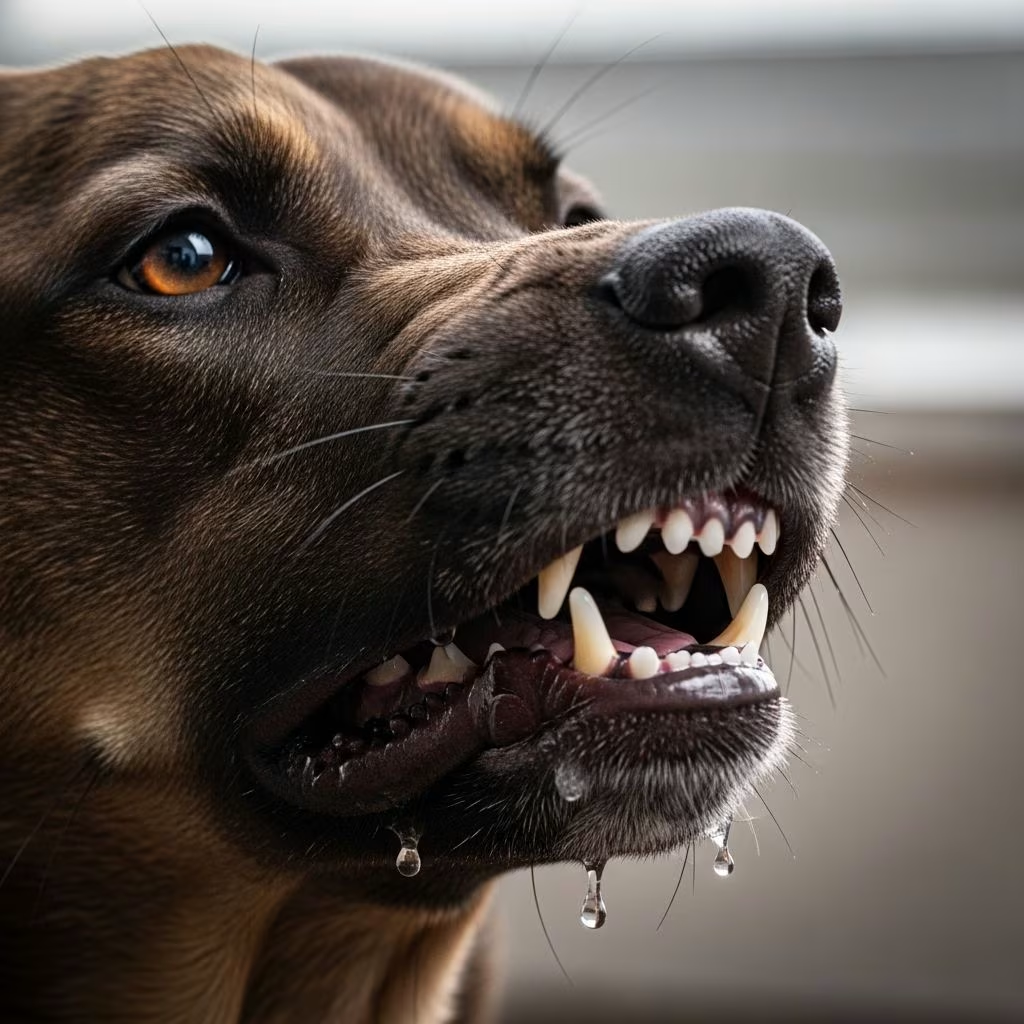
Dogs growl for various reasons, serving as a vital communication tool to express emotions ranging from joy in play to warnings of discomfort. Understanding these vocalizations helps owners respond appropriately, preventing escalation to bites and strengthening the human-canine bond.
The Role of Growling in Canine Society
Growling forms a cornerstone of how dogs interact with their world, acting as a non-violent signal to convey internal states. Unlike humans who rely heavily on words, dogs use a combination of body language, posture, and sounds like growls to negotiate space, resources, and social dynamics. This vocalization provides precious seconds for intervention, making it invaluable for safety.
In pack settings or multi-dog homes, growls help establish boundaries without physical conflict. A dog might rumble softly during roughhousing to set limits or emit a deeper tone when guarding a valued item. Recognizing context is key: a loose, wagging-tailed growl during fetch differs vastly from a stiff-bodied snarl at a stranger.
Primary Triggers Behind Dog Growling
Dogs vocalize in growls due to specific stimuli, each tied to survival instincts or learned behaviors. Identifying the trigger allows targeted management.
- Playful Excitement: During games, growls often accompany bows, play faces (open mouth, relaxed ears), and bouncy movements, signaling fun rather than threat.
- Fear or Stress: Anxious dogs growl to create distance from perceived dangers, frequently paired with tucked tails, wide eyes, or lip licking.
- Pain or Illness: Physical discomfort prompts defensive growls, especially when touched in sore areas. Accompanying signs include limping, lethargy, or appetite loss, warranting veterinary attention.
- Resource Protection: Food, toys, or resting spots trigger guarding growls as dogs instinctively safeguard essentials.
- Territorial Defense: Intruders near home or family elicit protective rumbles, common in guardian breeds.
Interpreting Accompanying Body Signals
Growls rarely stand alone; body language provides context. A table below outlines common combinations:
| Growl Type | Body Posture | Likely Meaning |
|---|---|---|
| High-pitched, repetitive | Play bow, loose wag | Invitation to play |
| Low, sustained | Stiff body, raised hackles | Warning to back off |
| Short bursts | Ears back, tail low | Fear or frustration |
| With bared teeth | Weight forward, growling intensifies | High threat level |
Observing the whole picture prevents misinterpretation. For instance, a growl with a wagging tail might indicate overexcitement, while frozen stillness signals serious unease.
Immediate Responses to a Growling Dog
When a growl emerges, prioritize de-escalation over punishment. Harsh corrections suppress the signal but heighten fear, potentially leading to silent bites.
- Stay calm and avoid eye contact or sudden moves that could intensify stress.
- Use a neutral interrupter like a soft whistle or clap to gain attention without startling.
- Redirect to a positive action: cue “sit,” “touch,” or lead to a treat station, rewarding compliance.
- Increase distance from the trigger to allow relaxation.
This approach respects the growl as honest feedback, transforming tension into cooperation.
Long-Term Strategies for Change
Addressing root causes requires consistent training. Desensitization exposes dogs gradually to triggers at sub-threshold levels, pairing with rewards to shift associations. Counterconditioning follows, replacing negative emotions with positive ones, like treating before a stranger nears.
Proactive management shines in prevention:
- Build a strong “positive interrupter” repertoire through daily practice.
- Ensure ample resources to minimize guarding—multiple toys, feeding stations.
- Exercise regularly to reduce frustration buildup.
- Consult professionals for persistent issues, avoiding DIY fixes that risk safety.
When Health Issues Fuel Growling
Sudden growls, especially on handling, often stem from pain. Arthritis, dental problems, or injuries lower tolerance thresholds. Veterinary exams rule out medical causes; symptoms like unusual gait, whining, or hiding demand prompt checks. Treating underlying conditions frequently resolves behavioral shifts.
Breed and Age Influences on Vocalizations
Genetics play a role: herding or terrier breeds may growl more during high arousal, while seniors face cognitive decline mimicking aggression. Older dogs with Cognitive Dysfunction Syndrome show increased irritability; vets can diagnose and manage this.
Building a Growl-Free Environment
Create routines minimizing triggers. Use baby gates for rest zones, schedule play to prevent overstimulation, and train impulse control via games like “leave it.” Positive reinforcement trumps confrontation, fostering trust.
For multi-pet homes, supervise interactions and teach turn-taking with toys. Consistency across family members ensures uniform responses.
FAQs on Dog Growling
Q: Should I punish a growling dog?
A: No—punishment erodes communication, risking surprise aggression. Redirect instead.
Q: Why does my dog growl at guests?
A: Likely resource or territorial guarding. Desensitize with treats before arrivals.
Q: Is playful growling safe?
A: Yes, if body language stays relaxed. Monitor for shifts to intensity.
Q: How long until training works?
A: Weeks to months with daily sessions; patience yields results.
Q: When to seek a professional?
A: If growling escalates, involves bites, or persists post-vet clearance.
Conclusion: Embrace Communication for Harmony
Viewing growls as dialogue openers empowers owners to support their dogs’ emotional needs. Through observation, redirection, and training, homes become safer, relationships deeper. Invest time now to avert future crises.
References
- How to react to growling (and prevent it overall) — Golden Retriever Rescue & Rehabilitation of Minnesota. Accessed 2026. https://www.grrmf.org/how-to-react-to-growling-and-prevent-it-overall/
- Why Dogs Growl and How to Handle It — American Kennel Club. Accessed 2026. https://www.akc.org/expert-advice/training/why-dogs-growl-and-how-to-handle-it/
- Understanding Why a Dog Growls — Providence Veterinary Hospital. Accessed 2026. https://providencevethospital.com/blog/why-a-dog-growls/
- 11 Reasons Why Your Dog is Growling — Sahara Pines Animal Hospital. Accessed 2026. https://www.saharapinesah.com/blog/11-reasons-why-your-dog-is-growling/
- What Dog Growling Means and What To Do — PetMD. Accessed 2026. https://www.petmd.com/dog/behavior/why-do-dogs-growl



