

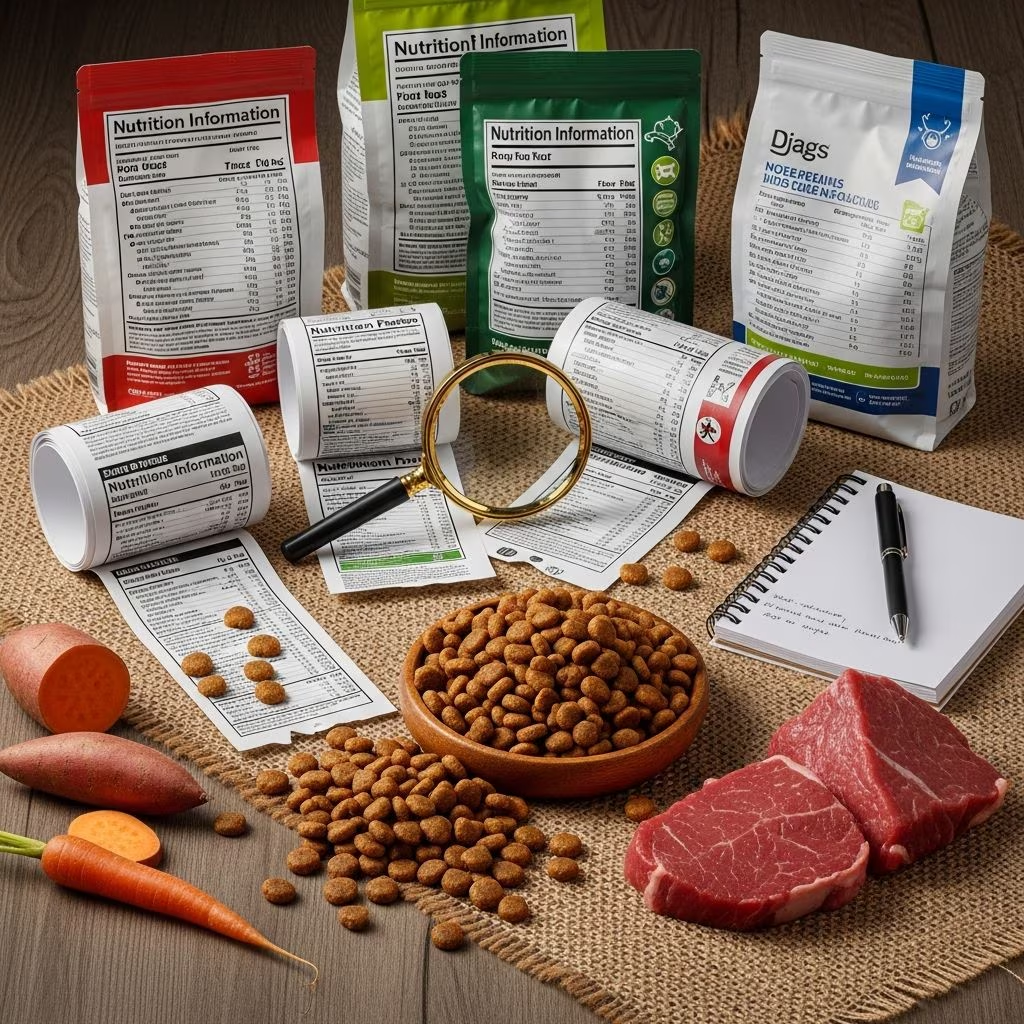
Choosing the right dog food can feel overwhelming with countless options lining store shelves. Understanding labels empowers you to pick products that truly nourish your canine companion. This guide breaks down every section of a dog food package, from ingredient lists to nutritional breakdowns, helping you identify premium formulas over mediocre ones.
Why Label Reading Matters for Your Dog’s Diet
Dog food labels provide critical insights into composition and quality. They reveal primary components by weight and nutrient levels, allowing informed decisions tailored to your dog’s age, size, and health needs. Poor choices can lead to deficiencies or sensitivities, while smart selections promote shiny coats, steady energy, and robust immunity.
- Labels follow standards set by organizations like AAFCO, ensuring basic nutritional completeness.
- Key sections include product name, ingredients, guaranteed analysis, and feeding instructions.
- Misleading terms often hide low-quality fillers, impacting digestibility and long-term wellness.
The Product Name: What It Really Promises
Product titles aren’t arbitrary; they adhere to strict naming conventions. For instance, a bag labeled “Salmon Dog Food” must contain at least 95% salmon, including moisture weight. “Chicken Dinner” requires the named ingredients to comprise 25% or more. Terms like “chicken-flavored” signal only minimal amounts, often for aroma rather than substance.
| Product Name Type | Minimum Content Requirement | Example |
|---|---|---|
| Single Named Ingredient | 95% | Beef for Dogs |
| Dinner or Entrée | 25% total named | Lamb & Rice Dinner |
| Flavor | Trace amounts | Chicken-Flavored Kibble |
Always prioritize names starting with specific animal proteins for meat-forward nutrition mimicking a dog’s ancestral diet.
Mastering the Ingredients List
Ingredients appear in descending order by pre-processing weight, making the top five pivotal indicators of quality. High-end foods lead with named meats like “chicken” or “beef,” followed by wholesome carbs and fats. Vague entries such as “meat meal” or “animal by-products” suggest rendered leftovers lower in bioavailability.
- Premium Proteins: Chicken meal, salmon, lamb—concentrated sources rich in amino acids for muscle repair.
- Healthy Carbs: Brown rice, sweet potatoes, peas—provide sustained energy and fiber without excess.
- Beneficial Fats: Chicken fat, fish oil—deliver omega-3s for skin, joints, and brain health.
- Red Flags: Corn syrup, wheat middlings, generic “poultry by-product meal”—cheap fillers linked to allergies and obesity.
Avoid artificial preservatives like BHA or BHT, which some studies associate with health risks in lab animals. Opt for natural alternatives like mixed tocopherols (vitamin E).
Guaranteed Analysis: Quantifying Nutrition
This panel lists minimum or maximum percentages of core nutrients on an as-fed basis. Convert to dry matter for fair comparisons across wet and dry foods by subtracting moisture (typically 10% in kibble, 75-80% in cans).
- Crude Protein: Minimum 18-26% dry matter for adults; higher (30%+) ideal for active breeds.
- Crude Fat: 10-20% for energy; too low causes dry skin, too high promotes weight gain.
- Crude Fiber: 2-5% supports digestion; excessive levels signal fillers.
- Moisture: Accounts for water content variations.
- Crude Ash: 5-8% minerals; optional but useful for total mineral load.
Protein can derive from meats or plants like pea protein—prioritize animal-based for complete amino profiles.
Nutritional Adequacy Statements Explained
Look for AAFCO approval: “complete and balanced” means lab-tested to meet life-stage needs (puppy, adult maintenance, gestation). Phrases like “all life stages” suit multi-dog homes. Without this, the food may be a treat or supplement only.
Common Additives: Helpers or Hazards?
Many additives enhance palatability, texture, or shelf life. Beneficial ones include probiotics for gut flora and chelated minerals for absorption. Steer clear of propylene glycol (in some semi-moists) and excess sodium hexametaphosphate, which can affect dental health claims.
| Additive Type | Purpose | Safety Notes |
|---|---|---|
| Carrageenan | Thickener in wet food | Generally safe; monitor for GI upset |
| Guar Gum | Emulsifier | Natural fiber source |
| Artificial Colors | Visual appeal | Unnecessary; avoid |
Carbs, Fiber, and Fats: Building Blocks Demystified
Carbohydrates fuel activity via sources like barley or potatoes. Fiber from beet pulp or chicory root aids motility. Fats, especially omega-rich fish oil, are calorie-dense essentials.
Feeding Guidelines and Beyond
Calorie counts and portion charts adjust for weight and activity. Consult vets for medical diets. Transition slowly over 7-10 days to prevent tummy troubles.
Top Ingredients to Seek and Shun
- Seek: Deboned meats, whole grains, fruits/veggies for antioxidants, glucosamine for joints.
- Shun: Sugary fillers, unnamed fats, excessive plant proteins lacking taurine.
Frequently Asked Questions (FAQs)
What are the ideal first five ingredients in dog food?
Named meat protein, second protein or whole grain, healthy fat, veggie/fruit, fiber source—ensuring nutrient density from the start.
How do I compare wet vs. dry food nutrition?
Calculate dry matter: (nutrient % / (100 – moisture %)) x 100. This levels the playing field.
Is grain-free always better?
Not necessarily; recent concerns link some to heart issues. Balance with vet input.
What does ‘crude’ mean in analysis?
Lab testing method, not quality indicator—focus on overall values.
Are by-products bad?
Named ones (e.g., chicken liver) are nutrient-packed organs; unnamed are variable quality.
Practical Tips for Shopping Success
Scan top ingredients first, check AAFCO, match to your dog’s profile. Trial small bags, monitor stool and energy. For allergies, single-protein limited-ingredient formulas shine.
References
- What’s in the Ingredients List? — AAFCO. 2023. https://www.aafco.org/consumers/understanding-pet-food/whats-in-the-ingredients-list/
- A Guide to Dog Food Ingredients and Reading Dog Food Labels — PetMD. 2024-01-15. https://www.petmd.com/dog/nutrition/pet-food-ingredient-and-label-guide
- Understanding Dog Food Labels: Decoding Ingredients and Nutritional Claims — Pet Food Passion. 2025-02-12. https://petfoodpassion.co.uk/2025/02/12/understanding-dog-food-labels-decoding-ingredients-and-nutritional-claims/
- Guaranteed Analysis & Ingredients: A Practical Guide How to Read Dog Food Labels — Dig Labs. 2024. https://dig-labs.myshopify.com/blogs/the-dig-labs-dish/guaranteed-analysis-ingredients-a-practical-guide-how-to-read-dog-food-labels
- The Ultimate Guide to Dog Food Ingredients — Chewy. 2024-06-20. https://www.chewy.com/education/dog/food-and-nutrition/dog-food-ingredients



