

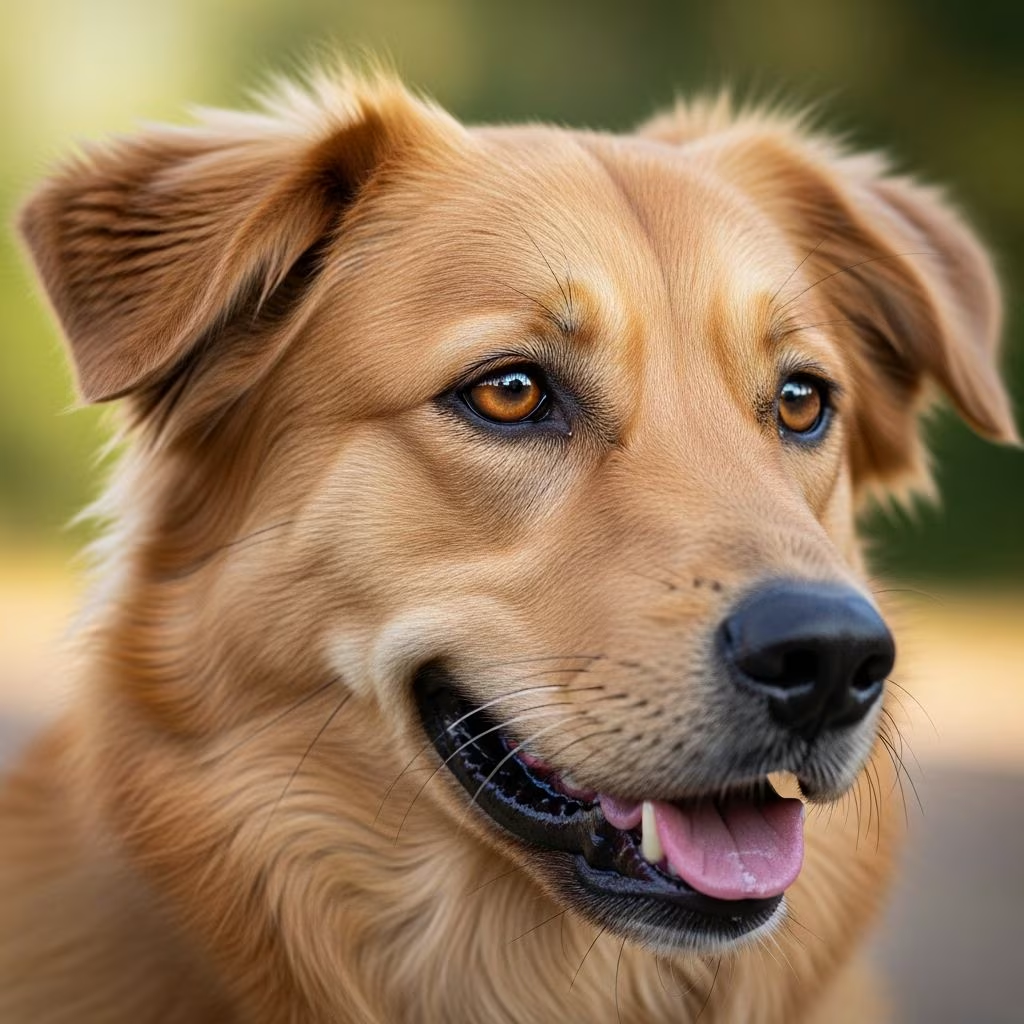
Dogs communicate constantly, but most of their messages are sent without words. Subtle changes in their eyes, ears, mouth, and facial tension reveal how they feel about the world around them, from relaxed contentment to fear or frustration. Learning to interpret these facial expressions helps you respond appropriately, keep everyone safe, and deepen the bond you share with your dog.
Why Understanding Dog Facial Expressions Matters
Reading a dog’s face is about more than curiosity. It is a practical skill that affects training, safety, and emotional wellbeing.
- Safety: Recognizing early signs of stress, fear, or aggression allows you to intervene before a situation escalates.
- Stronger bond: When you respond to your dog’s emotional state, they learn you are paying attention and can trust you.
- Better training: Training works best when a dog is relaxed and focused. Their facial expressions help you gauge whether they are ready to learn or need a break.
- Reduced misunderstandings: Many bites or conflicts occur because people misread a dog’s signals, especially when they confuse fear with stubbornness or play with stress.
To truly understand what your dog is feeling, you must look at the whole picture: face, body posture, tail, and the situation they’re in.
How Dogs Use Their Faces to Communicate
Dogs have evolved a surprisingly expressive face. Compared with wolves, domestic dogs have specialized facial muscles that make their eyes appear larger and more expressive, especially when they raise their inner eyebrows. This “puppy-dog eyes” look is particularly effective at capturing human attention and may have been encouraged by human preferences over many generations.
When decoding a dog’s facial expression, focus on three key areas:
- Eyes: shape, softness or hardness of the gaze, and how much white is visible.
- Ears: position (forward, sideways, pinned back) and movement.
- Mouth and nose: relaxed or tense lips, visible teeth, panting, licking, yawning, or a closed mouth.
Dog Facial Expressions by Emotion
Below is an overview of common emotional states and the facial signals that often accompany them. Always interpret these signs in context with body posture and the environment.
| Emotion | Typical Eye Expression | Ear Position | Mouth & Facial Muscles | Overall Impression |
|---|---|---|---|---|
| Relaxed / Happy | Soft, almond-shaped, gentle eye contact | Neutral or slightly forward / to the side | Mouth slightly open, lips loose, tongue may hang out | Loose face and body, comfortable, approachable |
| Alert / Focused | Eyes open wider, focused gaze | Erect, forward, listening intently | Mouth closed or slightly open, muscles more tense | Engaged with something specific (sound, object, person) |
| Playful | Bright, soft, sometimes squinty eyes | Forward or loosely to the side | Open mouth, relaxed lips, panting lightly | Wiggly body, play bow, friendly energy |
| Fearful / Anxious | Wide eyes, visible whites (“whale eye”), tense gaze | Flattened back or to the side | Lips pulled back, panting or lip licking, possible yawning | Crouched body, tucked tail, trying to move away |
| Stressed | Rapid blinking, whale eye, averting gaze | May shift back and forth or stay partially pinned | Lip licking, yawning, short panting, tight mouth | Restlessness, pacing, difficulty settling |
| Aggressive / Threatening | Hard stare, pupils may be dilated | Either stiff forward (offensive) or pinned back (defensive) | Lips lifted, teeth exposed, wrinkled nose, tense jaw | Rigid body, stiff tail, growling, potential to bite |
Reading Your Dog’s Eyes
The eyes are often the first place you will notice a change in your dog’s mood.
Soft, Relaxed Eyes
Soft eyes look round or almond-shaped, with a gentle gaze and no obvious tension in the muscles around the eyes. This expression usually appears when your dog feels safe, social, and comfortable.
- Common during cuddling, resting near you, or calmly exploring a familiar environment.
- Often paired with a relaxed mouth and loose body.
Hard Stare
A hard, fixed stare is a warning sign in dog communication.
- Eyes appear cold and unblinking, directed intensely at a person or animal.
- Often accompanies growling, stiffness, or guarding behavior.
- Humans should avoid staring back, as direct hard eye contact can be threatening in dog language.
If you see a hard stare, calmly increase distance and reduce whatever is triggering the dog whenever possible.
Whale Eye (Showing the Whites)
“Whale eye” describes a dog turning their head away while keeping their eyes focused on something, so the whites of the eyes show.
- Indicates discomfort, anxiety, or unease, often an early stress signal.
- Common when a dog feels trapped, guarded over a resource, or conflicted about a situation.
Blinking and Averting Gaze
- Slow blinking: Often associated with comfort and relaxation.
- Rapid blinking: Can signal stress, confusion, or frustration.
- Looking away: Dogs may turn their eyes or head away to avoid conflict and signal they are not a threat.
“Puppy-Dog Eyes”
When dogs raise the inner part of their eyebrows, their eyes look larger and more expressive, producing the classic “puppy-dog eyes.” This expression may signal:
- A request for attention, food, or reassurance.
- A response to your gaze or voice as they engage with you socially.
Reading Your Dog’s Ears
Ear shape varies widely by breed, but position and movement still provide important clues.
- Neutral ears: In their natural resting position, usually mean the dog is relaxed.
- Forward ears: Suggest attention or interest in a particular sound, object, or person.
- Pinned back: Often indicate fear, anxiety, or appeasement, especially when combined with a tucked tail or crouched posture.
- Shifting or flicking ears: Show that the dog is monitoring multiple stimuli and may feel uncertain or overstimulated.
Reading Your Dog’s Mouth and Nose
The mouth is one of the most expressive parts of a dog’s face. Pay attention to how open or closed it is, the tension in the lips, and whether the dog is panting, licking, or yawning.
Relaxed Mouth
In a relaxed state, a dog’s mouth is often slightly open, with loose lips and a visible tongue.
- There are no deep wrinkles around the mouth, except in naturally wrinkled breeds.
- This expression usually accompanies a soft gaze and relaxed body.
Panting
Panting is normal for temperature regulation, but context matters.
- Normal panting: Occurs after exercise or in warm weather, with a loose, open mouth and relaxed expression.
- Stress panting: Rapid or shallow panting in cool conditions, especially with other stress signals like whale eye or lip licking, may indicate anxiety or pain.
Lip Licking
Dogs lick their lips and nose for many reasons. When it happens without food nearby, it is often a subtle stress or appeasement signal.
- Frequently seen during vet visits, grooming, or tense social situations.
- May also appear when a dog is confused in training or feeling pressured.
Yawning
Dogs can yawn when tired, but repeated yawning in an active or tense situation often signals stress.
- Seen when dogs are around unfamiliar people, in noisy environments, or during uncomfortable handling.
- Can function as a calming signal to themselves and others, saying, in effect, “I’m not a threat.”
Smiling and the Submissive Grin
Some dogs pull their lips back to show their front teeth in a way that looks like a smile. This expression, often called a submissive grin, is usually associated with friendliness or appeasement, not aggression.
- Accompanied by squinty, soft eyes, a wiggly body, and low, loose posture.
- Often appears when greeting familiar people or during playful interactions.
This can be confused with snarling, so always check the eyes, ears, tail, and body posture before assuming the dog is happy.
Snarling and Threatening Expressions
When a dog curls their lips to expose teeth in a stiff, tense way, especially with a wrinkled nose and hard eyes, this is a warning.
- May appear in situations where the dog feels threatened, cornered, or is guarding something valuable.
- Often accompanied by growling, a rigid body, and direct hard staring.
Dogs usually use such expressions to avoid having to bite, not because they want to bite. Respect the warning by giving the dog space and removing pressure when possible.
Putting the Whole Picture Together
A single facial feature rarely tells the whole story. Understanding your dog’s emotions requires combining facial signals with posture, tail position, and context.
- Relaxed dog: Soft eyes, neutral or gently wagging tail, loose body, mouth slightly open.
- Stressed dog: Whale eye, lip licking, yawning, ears back, shifting weight or pacing.
- Fearful dog: Tucked tail, crouched posture, ears pinned back, wide eyes, may try to hide or escape.
- Offensive aggression: Body leaning forward, tail high and stiff, ears forward, hard eyes, snarling.
- Defensive aggression: Body leaning back or sideways, tail tucked or low, ears back, teeth bared, may lunge if cornered.
Helping Your Dog Feel Understood
Once you recognize your dog’s facial expressions, you can adjust your behavior to support them.
- Respond to early stress signs: If you see whale eye, lip licking, or hard eyes, reduce intensity (noise, handling, proximity) and give your dog more space.
- Use positive reinforcement: Reward calm, relaxed expressions and behavior to build positive associations with situations that were once stressful.
- Respect warnings: Growls and snarls are communication, not misbehavior. Punishing them may suppress signals without addressing the underlying emotion, making bites more likely.
- Seek professional help: If your dog frequently shows fear or aggressive facial expressions, consult a qualified veterinarian or behavior professional to rule out medical causes and create a behavior plan.
Frequently Asked Questions (FAQs)
Q: How can I tell if my dog is truly happy from their facial expression?
A happy dog usually has soft eyes, a relaxed or slightly open mouth, and loose facial muscles. Their ears are in a neutral or gently forward position, and their body and tail look relaxed rather than stiff.
Q: What does it mean when my dog shows the whites of their eyes?
Seeing the whites of your dog’s eyes, often called “whale eye,” usually indicates stress, discomfort, or anxiety. It often appears when a dog feels trapped or conflicted, such as when someone reaches over them or they are guarding a resource.
Q: Is a dog that shows teeth always being aggressive?
No. Some dogs show a submissive grin that exposes their front teeth while their eyes and body remain soft and wiggly, which is usually friendly. In contrast, a true snarl involves tense lips, a wrinkled nose, hard eyes, and a stiff body, signaling a clear warning.
Q: Why does my dog lick their lips when I pet or talk to them?
Lip licking during non-feeding situations is often a subtle sign of stress, uncertainty, or appeasement. Your dog may be saying they feel slightly pressured or need a bit more space or a slower interaction.
Q: When should I worry about my dog’s facial expressions?
You should pay close attention if your dog often shows hard eyes, whale eye, pinned-back ears, snarling, or combines these facial expressions with a stiff body and growling. These may indicate significant fear, stress, or aggression. Consulting a veterinarian or qualified behavior professional is recommended in these cases.
References
- What Do My Dog’s Facial Expressions Mean? — American Kennel Club. 2021-05-06. https://www.akc.org/expert-advice/training/dog-facial-expressions/
- Your Guide to Dog Facial Expressions — Whole Dog Journal. 2022-03-01. https://www.whole-dog-journal.com/behavior/body-language/your-dogs-facial-expressions/
- Understanding Dog and Cat Facial Expressions — PetPlace. 2020-10-15. https://www.petplace.com/article/general/pet-behavior-training/understanding-dog-and-cat-facial-expressions
- Dog Body Language (PDF) — Loyola Marymount University Urban EcoLab. 2013-01-01. https://academics.lmu.edu/media/lmuacademics/cures/urbanecolab/module09/Dog%20Body%20Language.pdf
- Reading Animal Body Language: An Informative Guide and Quiz — 24Petwatch. 2023-04-10. https://www.24pet.com/blog/reading-animal-body-language
- Reading Dog Body Language: Complete Guide to Canine Communication — Wagbar. 2022-11-20. https://www.wagbar.com/reading-dog-body-language-complete-guide-to-canine-communication
- How dogs show emotions: a guide for North Pittsburgh pet owners — DoodyCalls of North Pittsburgh. 2025-12-05. https://www.doodycalls.com/north-pittsburgh/about-us/blog/2025/december/how-dogs-show-emotions-a-guide-for-north-pittsbu/



