

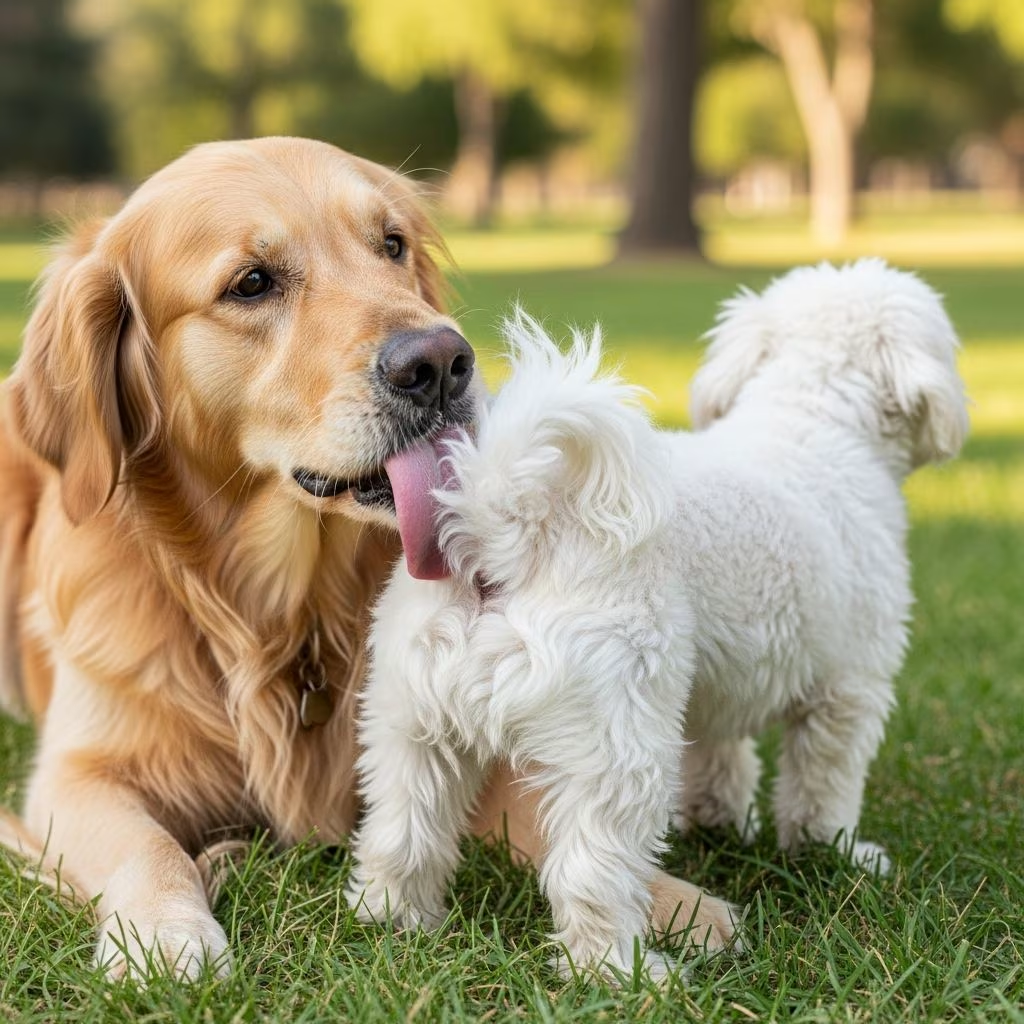
Dogs frequently lick their rear ends as part of natural self-maintenance, but persistent or intense behavior often signals underlying problems requiring attention. Understanding the distinction between routine grooming and potential health concerns helps pet owners respond appropriately.
The Natural Instinct Behind Rear-End Grooming
Canines engage in butt licking primarily for hygiene. Their saliva carries enzymes that combat bacteria, aiding in the removal of debris, dirt, or fecal residue around the anus. This mirrors how wild ancestors kept clean to prevent infections.
Anal glands, small sacs flanking the anus, release distinctive fluids during defecation to mark territory. Dogs lick to express these glands manually when needed, ensuring proper function. Occasional licking falls within normal patterns, especially post-bowel movements.
Signs of Excessive Licking and Associated Behaviors
Monitor for red flags like nonstop licking, scooting across floors, straining during elimination, redness, hair loss, or foul odors near the tail base. These indicate discomfort beyond routine care.
- Frequent scooting: Dragging hindquarters suggests gland impaction or irritation.
- Visible inflammation: Swollen, red skin around the anus points to infection or allergies.
- Changes in stool: Diarrhea or constipation can exacerbate gland issues.
- Biting or chewing: Intense focus on the tail or rear signals pain.
Tracking these alongside licking frequency helps pinpoint issues early.
Primary Medical Culprits: Anal Gland Disorders
Anal gland problems affect up to 15.7% of dogs, topping the list of excessive licking triggers. These sacs can become impacted, infected, or abscessed if fluid fails to expel naturally.
| Issue Type | Symptoms | Treatment |
|---|---|---|
| Impaction | Full sacs causing pressure; scooting, licking. | Vet manual expression. |
| Infection | Bacterial buildup; swelling, pus, odor. | Antibiotics, flushing. |
| Abscess/Rupture | Painful swelling bursting externally. | Surgery if severe; drainage. |
Veterinarians express glands during routine visits for at-risk breeds like small dogs or those with soft stools. Untreated cases risk rupture, demanding surgical intervention.
Infections and Parasitic Invaders
Bacterial infections invade anal sacs or urinary tracts, prompting licking for relief. Fecal bacteria entering the urethra causes urinary tract infections (UTIs), more common in females due to anatomy.
Parasites amplify irritation:
- Fleas/Ticks: Cluster near tail base, triggering allergies and itchiness.
- Tapeworms: Anal segments cause scooting and licking.
- Mites: Lead to mange-like symptoms around hindquarters.
Comprehensive parasite control, including environmental treatment, resolves most cases. Regular deworming and flea preventives are essential.
Allergies and Skin Conditions
Allergic reactions manifest as intense butt-area itching. Flea allergy dermatitis localizes here, while food or environmental allergies (pollen, dust) provoke widespread but rear-focused licking.
Skin infections from bacteria or yeast thrive in moist, irritated areas, creating a vicious cycle. Matted fur traps debris, worsening hygiene.
Diagnosis involves elimination diets for food sensitivities or skin scrapes for allergies. Antihistamines, medicated shampoos, or hypoallergenic diets provide relief.
Gastrointestinal and Structural Problems
Inflammatory bowel disease (IBD) or food intolerances cause diarrhea, irritating the anus indirectly. Rectal tears, foreign objects, polyps, or tumors induce pain-driven licking.
Hormonal imbalances like Cushing’s disease heighten skin sensitivity and pruritus (itching). Orthopedic pain in hips or tails refers discomfort rearward.
Imaging or endoscopy may be needed for internal issues. Dietary fiber supplements firm stools, aiding natural gland expression.
Behavioral and Psychological Factors
Stress, boredom, or compulsive disorders lead to over-grooming. Learned habits persist post-healing from injuries. Attention from owners inadvertently reinforces the behavior.
Enrich environments with toys, exercise, and training. Anxiety wraps or pheromone diffusers calm some dogs. Severe cases warrant behavioral consults.
When to Consult a Veterinarian
Seek professional help if licking persists over 24-48 hours, accompanies blood, severe swelling, or lethargy. Early intervention prevents complications like gland rupture or chronic infections.
Expect exams including gland expression, fecal analysis, skin swabs, or bloodwork. Tailor treatments to root causes for lasting resolution.
Prevention Strategies for a Healthier Rear
Proactive steps minimize risks:
- Pumpkin or fiber additives for firm stools.
- Consistent flea/worm preventives.
- Regular grooming to prevent matting.
- High-quality, novel-protein diets for allergy-prone dogs.
- Routine vet checkups for gland maintenance.
Breed awareness matters: Chihuahuas, Dachshunds, and Bulldogs face higher gland issues due to anatomy.
Home Remedies and Monitoring Tips
While awaiting vet visits, Epsom salt soaks soothe irritation (vet-approved only). Cone collars curb licking temporarily. Log behaviors, diet, and stool for diagnostics.
Avoid human creams; they upset canine pH. Hydration and exercise support gut health, indirectly aiding glands.
Frequently Asked Questions (FAQs)
Is butt licking always a problem?
No, occasional licking is normal grooming. Excess signals issues.
How often should anal glands be expressed?
Varies; healthy dogs self-express. Vets recommend checks every 3-6 months for prone pups.
Can diet fix anal gland problems?
Fiber-rich diets promote firm stools for natural expression. Consult vets for specifics.
What if my dog scoots but doesn’t lick?
Scooting alone warrants a check for impactions or parasites.
Are certain breeds more affected?
Yes, small breeds and those with chronic soft stools.
Long-Term Management for Chronic Cases
Recurrent issues may need ongoing protocols: prescription diets, supplements like omega-3s for skin health, or surgical gland removal in extreme scenarios. Holistic monitoring ensures quality life.
Pet insurance covers diagnostics and treatments, easing financial burdens for persistent conditions.
References
- Why do dogs lick their butts? – Indy Veterinary Care — Indy Veterinary Care. 2023. https://indyvetcare.com/why-do-dogs-lick-their-butts/
- Why Do Dogs Lick Their Butts? – American Kennel Club — AKC. 2023-10-15. https://www.akc.org/expert-advice/health/why-dogs-lick-their-butts/
- Reasons Your Dog Keeps Licking Their Butt – Petcube — Petcube. 2023. https://petcube.com/blog/dogs-lick-their-butts/
- Why Does My Dog Keep Licking His Bum and Tail? — Odie. 2024. https://getodie.com/blog/why-does-my-dog-keep-licking-his-bum-and-tail/
- Why Do Dogs Lick Their Butt Area So Much? – Rover.com — Rover. 2023. https://www.rover.com/blog/dog-licking-butt/
- Why Does My Dog Keep Chewing His Butt And Tail? – Vetnique — Vetnique. 2024. https://vetnique.com/blogs/news/why-does-my-dog-keep-chewing-his-butt-and-tail
- Why Is My Dog Licking His Bum? – MetLife Pet Insurance — MetLife. 2023. https://www.metlifepetinsurance.com/blog/pet-health/why-is-my-dog-licking-his-bum/



