

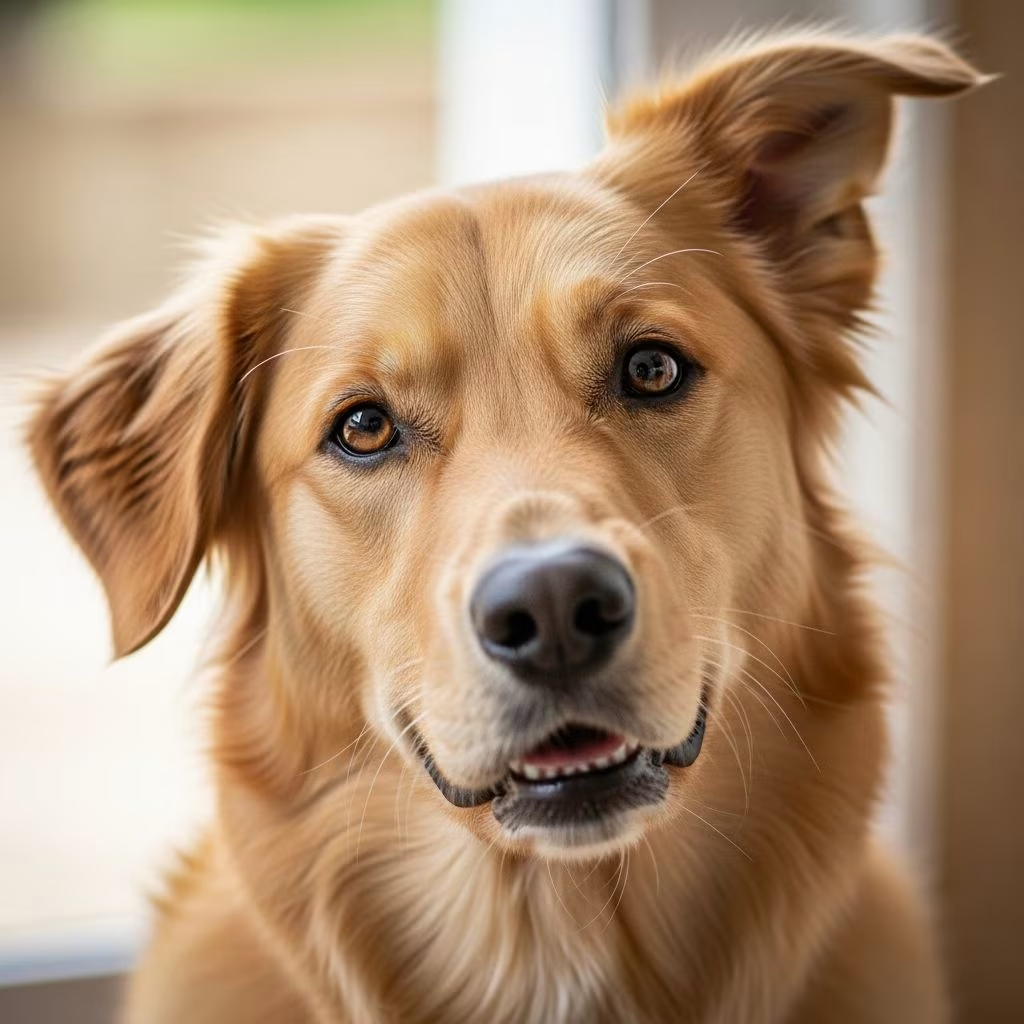
Dogs communicate primarily through body language, using postures, facial expressions, and movements to convey emotions ranging from joy to fear. Understanding these signals fosters a deeper connection with your pet and helps prevent behavioral issues.
Why Learning Canine Body Language Matters
Interpreting dog signals enhances safety and well-being for both pets and owners. Misreading cues can lead to bites or escalated aggression, while accurate reading promotes trust and reduces stress. Experts emphasize observing the entire body context, as isolated signals can mislead—breed traits like curled tails in Huskies or upright ears in German Shepherds influence baseline postures.
Signs of a Relaxed and Happy Dog
A content dog displays loose, fluid movements indicating comfort. Key indicators include relaxed ears (forward or slightly back), circular tail wags signaling pure joy, soft squinting eyes, and an open panting mouth.
- Circular tail wag: Broad, full-body sweeps show high happiness.
- Leaning or rolling over: Signs of trust and relaxation.
- Soft gaze: Half-closed eyes with gentle contact.
- Play bow: Front down, rear up invites fun interaction.
These behaviors often cluster; a single wag alone might indicate mere arousal, not happiness.
Recognizing Stress and Fear Responses
Stressed dogs attempt to appear smaller or diffuse tension. Common signs: body turned away, full-body shakes (like after water), pinned-back ears, whale eye (whites visible), yawning, or lip-licking.
| Stress Signal | Description | Meaning |
|---|---|---|
| Whale eye | Whites of eyes visible while head turns away | Fear or discomfort |
| Yawning | Excessive jaw stretch | Self-calming under stress |
| Shake-off | Full body tremble | Releasing tension |
| Tail tuck | Tail between legs | Submission or fear |
Avoid approaching dogs showing these; give space to de-escalate.
Alert and Aroused States in Dogs
Alert dogs stiffen for potential action. Upright forward ears, stiff high tail (flagging), fixed stare, and raised hackles signal readiness—possibly defensive or predatory.
- Stiff tail wag: Fast, high wags indicate agitation, not joy.
- Raised paw: Uncertainty or pointing instinct in hunting breeds.
- Forward lean: Ears perked, weight shifted ahead for fight/flight prep.
Context matters: a slow wag is relaxed, rapid twitchy ones signal high arousal, potentially negative.
Aggressive Postures and Warning Signals
Threat displays aim to intimidate without contact. Direct hard stare, snarling lips exposing teeth, arched back, forward weight shift, and growling mark offensive threats. Dogs grow larger via hackles and stiff limbs.
Defensive aggression shows conflict: frozen posture, avoidance escalating to snaps if ignored. Never challenge these signals; retreat calmly.
Submissive and Appeasement Behaviors
Appeasement calms aggressors. Subtle: eye aversion (no stare). Active: low tail wag (stopping on touch), tongue flicks, crouched posture.
- Passive submission: Ears back, head low, no eye contact—from puppy grooming roots.
- Active submission: Paw lift, rolling belly-up to signal peace.
These prevent fights; humans mimicking (e.g., averting eyes) can de-escalate.
Breed Variations and Contextual Reading
No universal signals—observe your dog’s neutral state. Pugs’ big eyes look alert naturally; curled tails in Northern breeds aren’t always tense. Always assess whole body: happy dogs have matching relaxed parts.
Health Indicators Through Body Language
Pain alters posture: limping, head-hanging, tense muscles, arched back, tucked abdomen, whimpering, or lip-smacking (nausea or stress precursor). Lethargy, isolation, appetite loss warrant vet visits—early detection saves lives.
Practical Tips for Observing Dog Signals
Build skills by watching neutrally. Note clusters over singles; video interactions for review. Train with positive reinforcement to encourage clear communication.
- Observe from distance initially.
- Track changes from baseline.
- Respond appropriately: reward calm, space for stress.
- Use calming signals like yawns back (mirroring).
Common Misinterpretations to Avoid
- Tail wag = happy: No—check speed/position for true emotion.
- Yawn = tired: Often stress calming.
- Stare = affection: Can signal threat.
FAQs on Dog Body Language
What does a fast tail wag mean?
High arousal; direction and height clarify if positive (wide/low) or negative (stiff/high).
How can I tell if my dog is in pain?
Look for limping, tense posture, whimpering, or sudden behavior shifts like withdrawal.
Is whale eye dangerous?
Indicates fear; back off to avoid bites.
Do all dogs use the same signals?
No, breeds vary; learn your dog’s normal.
What is a play bow?
Chest down, butt up—invitation to play.
Enhancing Communication with Your Dog
Practice reading daily; join classes or use apps charting postures. Consistent observation prevents mishaps, enriches life. Dogs thrive when understood, mirroring human nonverbal cues importance.
References
- Understanding Your Dog’s Body Language: A Guide To Canine Communication — Texas A&M University. 2025-03-13. https://stories.tamu.edu/news/2025/03/13/understanding-your-dogs-body-language-a-guide-to-canine-communication/
- Canine Communication – Interpreting Dog Language — VCA Animal Hospitals. N/A. https://vcahospitals.com/know-your-pet/canine-communication—interpreting-dog-language
- How to Read Dog Body Language — American Kennel Club. N/A. https://www.akc.org/expert-advice/training/how-to-read-dog-body-language/



