

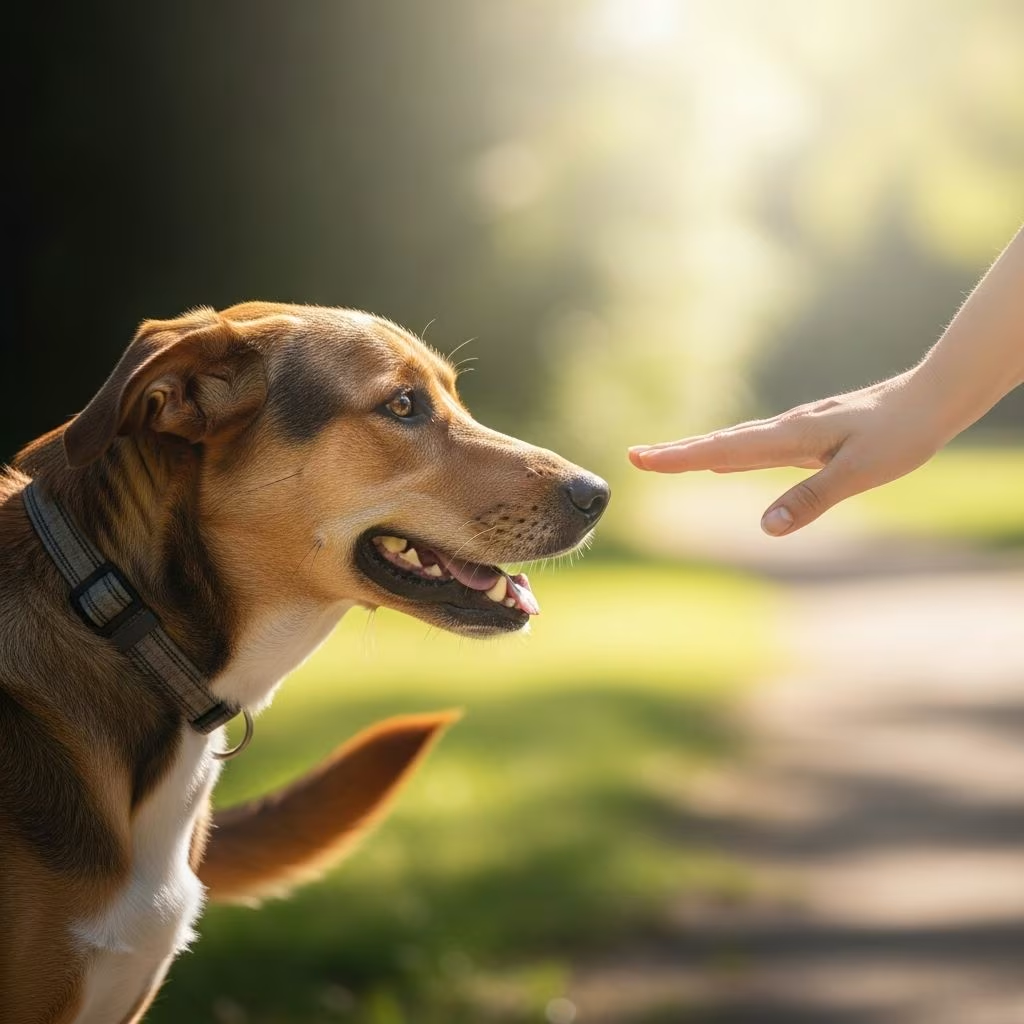
Interacting with dogs through touch can deepen bonds and reduce stress for both humans and canines, but only when done correctly. Recognizing a dog’s willingness through subtle cues prevents misunderstandings and promotes positive experiences.
Understanding Canine Communication Basics
Dogs convey their emotions primarily through body language rather than words. Key indicators include ear position, tail movement, eye contact, and overall posture. A relaxed dog might have soft ears, a gently wagging tail, and a loose body, signaling openness to interaction.
In contrast, stiff muscles, averted gaze, or a high, fast-wagging tail often mean discomfort. These signals evolved from pack dynamics where clear communication prevents conflict.
Common Stress Signals to Watch For
Dogs display a range of warning signs before escalating to growls or snaps. Early recognition allows you to back off gracefully.
- Lip licking or yawning: Appeasement gestures indicating mild anxiety, more common with familiar people.
- Whale eye: Whites of the eyes visible when head turns away, showing unease.
- Frozen posture: Sudden stillness or leaning away suggests the dog feels threatened.
- Pawing or sniffing ground: Displacement behaviors to redirect stress.
- Tail tucking or clamped ears: Clear fear responses.
Observing these in sequence helps gauge escalating tension. A single signal might be incidental, but clusters demand caution.
Green Lights: Signs a Dog Wants to Be Petted
Not all dogs dislike touch; many actively seek it when relaxed. Look for these invitations:
- Play bow: Front down, rear up, tail wagging loosely.
- Leaning into your space with relaxed muscles.
- Soft, direct eye contact without hard staring.
- Exposed belly or side, indicating trust.
These behaviors show the dog perceives you as non-threatening and desires connection.
Best Practices for Approaching Unknown Dogs
Always seek owner permission first. Approach from the side, not head-on, at a slight angle to avoid invading personal space. Let the dog initiate contact by offering your hand at chest level for sniffing.
Move slowly with predictable strokes. Sudden grabs trigger defensive instincts.
Optimal Petting Zones and Techniques
Research shows dogs prefer specific areas. A study found less stress when petting the chest or chin compared to head, paws, or hind legs.
| Preferred Zones | Avoid | Why It Matters |
|---|---|---|
| Chest side, under chin | Top of head, paws, base of tail | Reduces appeasement behaviors like lip licking |
| Shoulder or neck (gentle strokes) | Holding collar or muzzle | Prevents discomfort and panting |
Use slow, rhythmic motions mimicking grooming. This calms the nervous system.
The Science of Touch: Benefits for Dogs and Humans
Gentle petting releases oxytocin, the bonding hormone, in both species, fostering trust and reducing cortisol. Serotonin levels rise, promoting relaxation—dogs may sigh, lean, or close eyes.
For humans, it lowers stress and boosts mood, explaining therapy dogs’ efficacy. A UBC study confirmed petting any body part for 10 minutes improves well-being.
Timing Petting to Shape Behavior
Affection reinforces the current state. Pet during calm moments to associate touch with relaxation; avoid during excitement or fear, as it rewards those states.
This builds a dog confident in handling stimuli without owner intervention.
Differences Between Familiar and Stranger Interactions
Dogs show more redirected behaviors (yawning, sniffing) with owners, possibly due to deeper trust allowing vulnerability expression. Strangers elicit caution; build rapport gradually.
Special Considerations for Therapy and Service Dogs
These dogs work focused tasks—distracting petting undermines training. Vest or harness often signals ‘do not pet.’ Respect boundaries to support their role.
Building Long-Term Trust Through Touch
Consistent, respectful petting strengthens pack bonds. Pair with praise in low-stress settings. Over time, dogs solicit affection, indicating security.
Frequently Asked Questions
What if a dog growls when I pet it?
Stop immediately, back away slowly without eye contact. Growling is a polite warning—ignoring it risks bites.
Can all dogs be taught to enjoy petting?
Most can with positive associations, but rescues or abused dogs may need professional desensitization.
How long should I pet a dog?
Watch for disinterest cues like turning away. 1-2 minutes suffices; let them guide duration.
Is belly rubbing always welcome?
No—some roll for defense. Only if they nudge and stay relaxed.
What about puppies versus adults?
Puppies tolerate more due to socialization windows, but teach boundaries early.
Quick Reference: Petting Permission Checklist
- Owner’s okay obtained?
- Dog’s body loose, tail mid-level wag?
- No stress signals present?
- Hand sniff accepted?
- Pet in preferred zones only?
Following this ensures mutual enjoyment.
References
- Pet Therapy: The Science Behind Petting Animals — UCI Morning Sign Out. 2019-07-16. https://sites.uci.edu/morningsignout/2019/07/16/pet-therapy-the-science-behind-petting-animals/
- Psychology of Dogs When You Pet Them — YouTube (Doggy Quarters). Accessed 2026. https://www.youtube.com/watch?v=LgMmP128jig
- Dogs’ Responses to Affection from Familiar and Unfamiliar People — Companion Animal Psychology. 2013-01-01. https://www.companionanimalpsychology.com/2013/01/dogs-responses-to-affection-from.html
- Petting a Dog: How Affection Can Change Your Dog’s Behavior — Canine Peace of Mind. 2018-01-15. https://caninepeaceofmind.com/petting-a-dog-how-affection-can-change-your-dogs-behavior/
- 4 Reasons Dogs Like Being Pet — Kinship. Accessed 2026. https://www.kinship.com/dog-behavior/why-dogs-like-pets
- Does Where We Pet a Dog Affect Our Well-Being? — Psychology Today. 2026-02-01. https://www.psychologytoday.com/us/blog/canines-kids-and-kindness/202602/does-where-we-pet-a-dog-affect-our-well-being



