

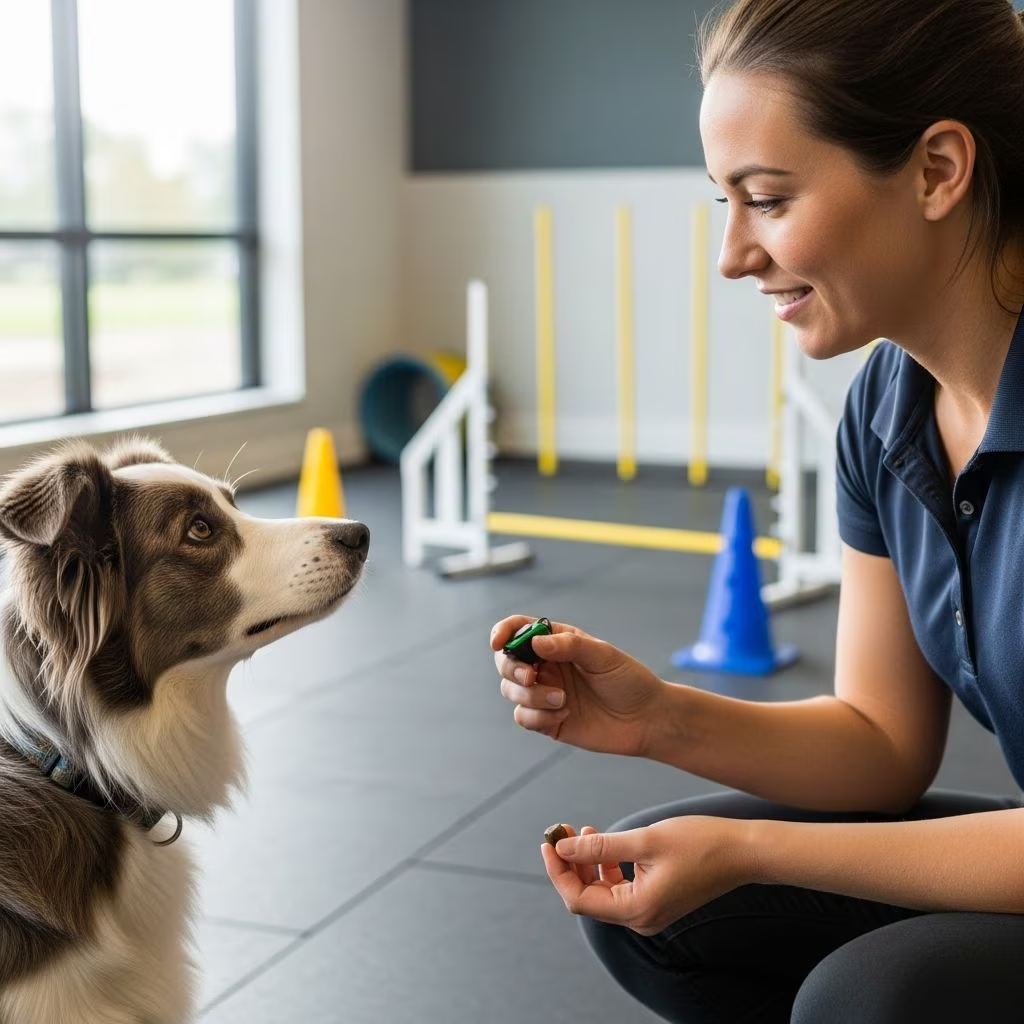
Dogs communicate through a rich repertoire of actions, from playful zoomies to concerning scooting. Recognizing these behaviors helps owners respond appropriately, preventing misunderstandings and promoting well-being. This guide delves into prevalent canine habits, drawing from veterinary and behavioral insights to explain their origins and management strategies.
Playful and Instinctive Movements
Many dog actions stem from ancestral instincts or daily needs. Observing context reveals whether they’re normal or signal issues.
Tail Chasing and Circling
When dogs pursue their tails, it often signals boredom or excess energy, especially in puppies discovering their bodies. Providing interactive toys or longer walks can redirect this. Circling before rest or elimination is typical, but persistent circling without reason may indicate neurological problems like brain inflammation or tumors. Veterinary evaluation is essential if it persists.
Zoomies and Leg Kicking
Sudden speed bursts, known as zoomies, release pent-up energy and showcase joy. They’re harmless unless excessive, suggesting overstimulation. Scratching a dog’s belly triggers an involuntary leg kick due to nerve stimulation, akin to a flea response. If the dog enjoys it, continue; otherwise, respect their cues.
Social and Communication Signals
Dogs use body language to convey emotions, intentions, and needs. Misreading these can lead to conflicts.
Head Tilts and Tail Wags
A cocked head shows curiosity, helping dogs better locate sounds from human speech. Tail wagging generally means happiness, but speed and direction matter: broad, full swings indicate friendliness, while stiff, rapid wags signal potential aggression.
Rolling Over and Ear Positions
Exposing the belly demonstrates trust and submission, inviting affection. Changing ear positions communicates alertness (perked) or submission (flattened). Yawning often relieves stress rather than tiredness.
Vocalizations: Barking, Whining, and More
Sound-based signals vary by tone and context, serving as alerts, pleas, or expressions.
- Territorial Bark: Deep, repetitive; guards space from intruders.
- Alert Bark: Sharp, brief; notifies of novel stimuli.
- Loneliness Whine: High-pitched, drawn-out; seeks attention or comfort.
- Excitement Yelp: Short bursts during play.
Training with positive reinforcement distinguishes acceptable from nuisance vocalizing. Consistency reduces unwanted noise.
Destructive and Exploratory Habits
Chewing, digging, and hiding items fulfill natural drives but can damage homes if unmanaged.
Chewing and Digging
Chewing soothes teething, stress, or boredom while maintaining teeth. Offer durable toys to channel it. Digging creates cool spots, buries treasures, or hunts prey—breeds like terriers excel here. Designated dig zones or puzzle feeders help.
Hiding Belongings
Instinctively, dogs stash valuables to protect from packmates, even in solo homes. Provide private spots to satisfy this without household chaos.
Unusual Eating and Hygiene Behaviors
Some habits disgust owners but serve purposes; others warrant concern.
Coprophagia and Pica
Eating feces affects about 25% of dogs occasionally, possibly for nutrition, cleanliness, or attention. Discourage with diet adjustments and cleanup. Pica—in gesting non-foods like rocks—may stem from deficiencies or cognitive decline; vet checks rule out medical causes.
Rolling in Odors and Butt Scooting
Rolling in foul matter mimics wolves sharing scents with packs. Training and bathing manage it. Scooting relieves anal gland discomfort, parasites, or allergies—professional cleaning or deworming resolves most cases.
Problematic Patterns: Aggression and Anxiety
While common, these require intervention to ensure safety.
Resource Guarding and Humping
Guarding food or toys prevents theft, escalating to snaps if challenged. Teach ‘drop it’ commands early. Humping asserts dominance or excitement, unrelated to sex; neutering aids but doesn’t eliminate it. Redirect with commands.
Separation Anxiety Indicators
Destructive acts, vocalizing, or elimination during absences signal distress. Gradual alone-time training, toys, and routines ease it. Surveys show overexcitement and jumping as top issues, often tied to attachment.
| Behavior | Prevalence (% of Owners Reporting) | Primary Causes |
|---|---|---|
| Overexcitement | 63% | Insufficient exercise/stimulation |
| Jumping Up | 56% | Attention-seeking |
| Barking Excessively | ~40% | Territorial/loneliness |
| Chewing Destructively | ~30% | Boredom/anxiety |
When to Seek Professional Help
Consult vets for persistent circling, scooting, pica, or aggression. Trainers address training gaps; behaviorists tackle anxiety. Early action prevents escalation.
Practical Management Strategies
Enhance your dog’s environment:
- Increase daily exercise to 30-60 minutes.
- Rotate toys for mental engagement.
- Use crate training for security.
- Positive reinforcement over punishment.
- Consistent routines build predictability.
FAQs
Why does my dog eat grass?
Often to induce vomiting for stomach upset or out of boredom. Monitor for patterns; excessive may need dietary review.
Is humping always sexual?
No, it’s frequently dominance, play, or stress relief across genders and spay statuses.
How to stop digging in the yard?
Provide a sandpit for digging, block access, and ensure ample playtime.
What if barking doesn’t stop?
Identify triggers; use desensitization training and anti-bark devices judiciously.
Does breed affect behavior?
Yes, herding breeds may nip heels; hounds follow scents obsessively. Individual personality trumps breed stereotypes.
References
- Why Do Dogs Do That? 21 Weird Dog Behaviors Explained — CareCredit Well+U. 2023. https://www.carecredit.com/well-u/pet-care/dog-behavior-explained/
- 13 Common Dog Behaviors And What They Mean — Unleash Fido. 2024. https://unleashfido.com/13-common-dog-behaviors-and-what-they-mean/
- Common Dog Behavior Issues — ASPCA. 2025-02-01. https://www.aspca.org/pet-care/dog-care/common-dog-behavior-issues
- Dog Behaviors: What They Mean and When to See a Veterinarian — MedVet. 2024. https://www.medvet.com/dog-behaviors/
- How to Read Dog Body Language — American Kennel Club (AKC). 2025. https://www.akc.org/expert-advice/training/how-to-read-dog-body-language/



