

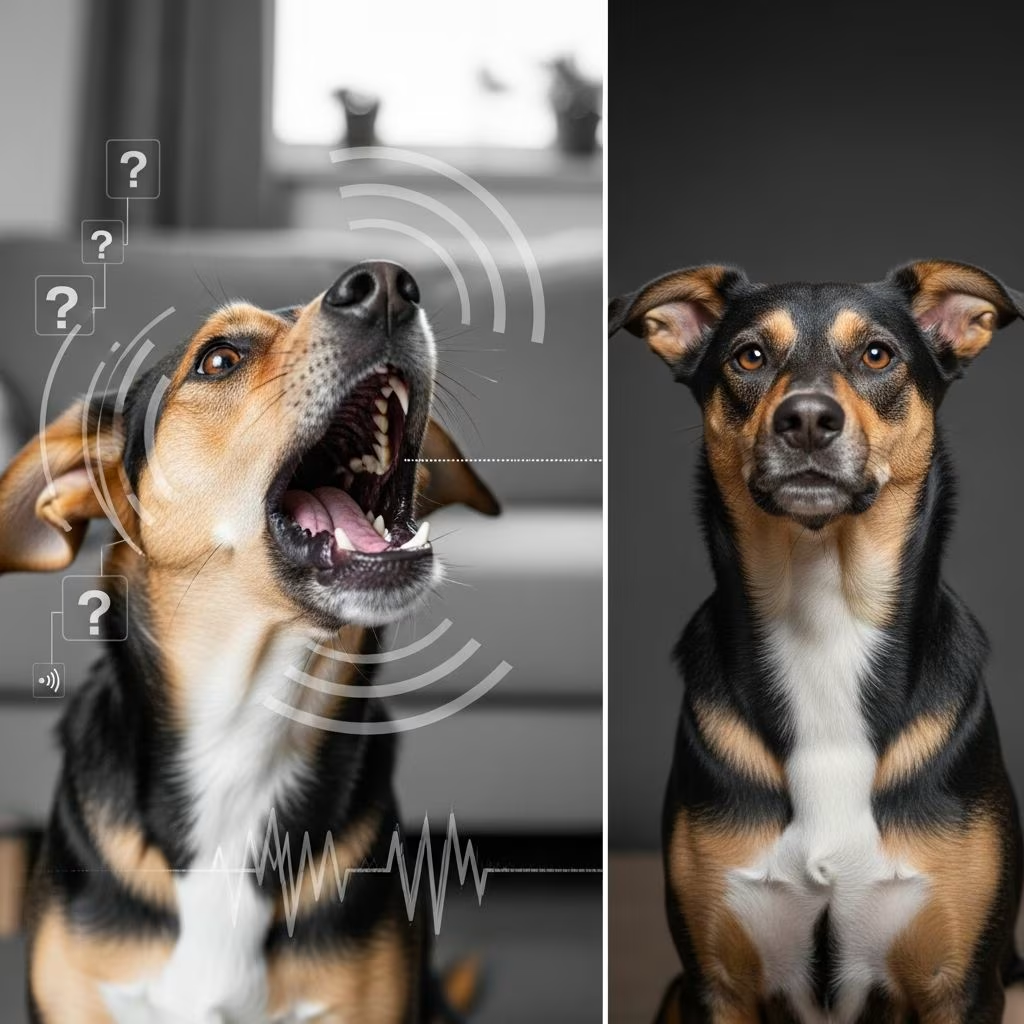
Dogs communicate primarily through barking, a natural vocalization that conveys emotions, needs, and alerts. Understanding the underlying motivations helps owners address excessive barking effectively, fostering better harmony in the household.
Fundamental Reasons for Canine Vocalizations
Barking serves as a versatile tool in a dog’s repertoire, signaling everything from joy to distress. High-energy breeds often vocalize more due to their genetic predispositions for herding or guarding roles.
- Excitement and Play: Dogs frequently bark during joyful interactions, such as greetings or games, expressing uncontainable enthusiasm.
- Alert and Alarm Responses: Sudden noises or movements prompt protective barks to notify owners of potential intruders.
- Territorial Defense: Protecting home, yard, or walking routes motivates intense barking at perceived threats.
Emotional and Psychological Triggers
Beyond basic alerts, emotional states drive much barking. Fearful dogs use shrill barks to deter threats, often accompanied by tense body language like raised hackles.
| Bark Type | Body Language Cues | Common Triggers |
|---|---|---|
| Fear/Anxiety | Tail tucked, low posture, growling | Strangers, confinement, loud sounds |
| Territorial | Ears forward, tail stiff, alert stance | Approaching people/dogs, unfamiliar scents |
| Frustration | Pacing, whining mixed with barks | Barriers to desired items, unmet expectations |
Anxiety-based barking escalates when dogs feel trapped or overwhelmed, creating a cycle of reactivity.
Boredom and Attention-Seeking Patterns
Inactive dogs, especially those lacking mental stimulation, resort to barking out of sheer restlessness. This is prevalent in working breeds without outlets for energy. Attention-seeking barks succeed when owners respond, even negatively, reinforcing the behavior.
- Provide puzzle toys and daily training sessions to combat boredom.
- Ignore demand barks consistently to extinguish them.
Health and Age-Related Factors
Sudden increases in barking warrant veterinary checks, as pain, cognitive decline, or sensory loss in seniors can trigger vocalizations. Older dogs may bark more from mobility issues heightening anxiety or confusion.
Conditions like injuries or age-related dementia amplify barking as a distress signal. Rule out medical causes before behavioral interventions.
Environmental and Nocturnal Barking
Nighttime barking often stems from isolation, external noises, or insufficient daytime exercise. Dogs left alone may vocalize from separation stress.
- Enhance daytime routines with walks and enrichment to promote restful nights.
- Use white noise machines to mask outdoor disturbances.
Strategies to Curb Excessive Barking
Effective management combines prevention, training, and environmental adjustments. Start by identifying triggers through observation.
- Desensitization Training: Gradually expose dogs to stimuli at low intensities, rewarding silence.
- Positive Reinforcement: Praise and treat quiet behaviors to build alternatives.
- Exercise Regimens: Aim for 30-60 minutes of daily activity tailored to breed needs.
- Management Tools: Use baby gates or crates to limit trigger access during retraining.
For persistent cases, consult certified trainers or behaviorists specializing in force-free methods.
Breed-Specific Tendencies and Genetics
Genetics influence barking frequency; terriers and hounds vocalize more than others due to breeding history. Herding breeds like Border Collies bark to control movement instinctively.
| Breed Group | Barking Tendency | Management Focus |
|---|---|---|
| Herding | High | Mental challenges, agility training |
| Terriers | High | Interactive toys, scent work |
| Labrador Retrievers | Moderate | Swimming, fetch games |
Common Myths and Misconceptions
Many believe yelling stops barking, but it often reinforces it by providing attention. Dominance-based corrections like alpha rolls lack evidence and can worsen anxiety. Focus on science-backed, humane techniques.
FAQs on Dog Barking
Why does my dog bark at nothing?
Dogs perceive subtle cues like distant sounds or scents humans miss. High sensitivity in alert breeds amplifies this.
Can puppies outgrow excessive barking?
Early training prevents habits; unmanaged puppy barking often persists into adulthood.
Is barking always a bad sign?
No, moderate barking is normal communication. Issues arise when it’s frequent or contextually inappropriate.
How long does training take to reduce barking?
Progress varies; consistent effort yields results in weeks, but full change may take months.
Should I use bark collars?
Avoid shock collars; they suppress symptoms without addressing causes and risk fear aggression. Opt for vibration or citronella alternatives cautiously.
Building a Quieter Future for Your Dog
Patience and consistency transform barking challenges into opportunities for stronger bonds. Track progress with journals and adjust strategies as needed. Professional guidance ensures tailored, ethical solutions.
References
- Excessive Barking — Cornell University College of Veterinary Medicine. 2023. https://www.vet.cornell.edu/departments-centers-and-institutes/riney-canine-health-center/canine-health-topics/excessive-barking
- 7 Reasons Why Dogs Bark — PetMD. 2024. https://www.petmd.com/dog/behavior/why-do-dogs-bark
- Why Does My Dog Bark So Much (& What To Do About It!) — Pet Harmony Training. 2023. https://petharmonytraining.com/why-does-my-dog-bark-so-much-what-to-do-about-it/
- Barking: Causes, Triggers and How to Help — Dogs Trust. 2025. https://www.dogstrust.org.uk/dog-advice/training/unwanted-behaviours/stop-your-dog-barking
- The Barking Dog — UC Davis Veterinary Medicine. 2022. https://www.vetmed.ucdavis.edu/sites/g/files/dgvnsk491/files/inline-files/The_Barking_Dog.pdf
- Understanding Pet Behavior: Why My Dog Keeps Barking at Night — BoraSh Vet. 2024. https://www.borashvet.com/why-my-dog-keeps-barking-at-night/



