Decoding Dog Back-Rolling: Instincts Revealed
Unravel the surprising reasons behind your dog's quirky back-rolling habit, from joy to self-care, and learn to read their silent signals accurately.
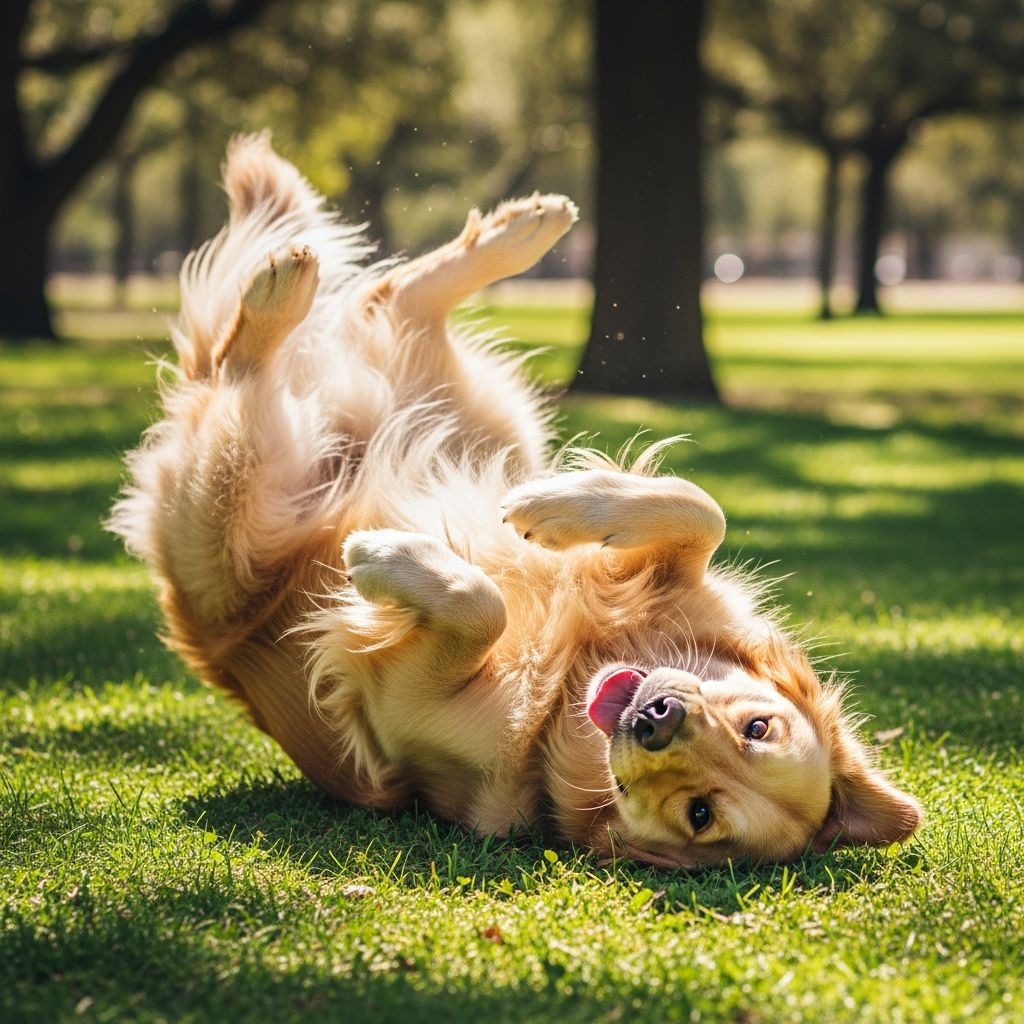
Dogs frequently roll onto their backs, a behavior that captivates owners with its playful or puzzling display. This action serves various purposes, from social signaling to physical relief, rooted in canine instincts and communication.
The Playful Side of Back-Rolling
One prominent reason dogs roll on their backs is to initiate or enhance play. During interactions with other dogs or humans, this posture acts as an invitation, often paired with a loose body, wagging tail, and open mouth. Research shows it functions as a tactical move in play fights, allowing dogs to dodge or launch counterattacks rather than purely submitting.
- Invitation to roughhouse: Smaller dogs or puppies use it to encourage larger playmates.
- Tactical positioning: Enables quick rolls to escape bites or gain leverage.
- Human engagement: Many dogs flop over near owners to solicit interactive fun.
Observing a wiggly, relaxed form distinguishes playful rolling from other intents. A 2015 study in Behavioural Processes confirmed rollovers as offensive or defensive play maneuvers, challenging outdated submissive-only views.
Social Signals: Peace and Appeasement
Back-rolling communicates non-threat in canine society. Dogs expose their vulnerable belly to signal harmlessness, diffusing tension with strangers or during greetings. This appeasement gesture prevents conflicts, especially when approached by dominant peers.
When your dog rolls upon your return home, it expresses joy and trust, often begging for affection. Accompanied by squirming and eye contact, it means “I’m thrilled you’re back—pet me!”. Conversely, stiff postures with tucked tails indicate fear-driven submission.
| Context | Body Language | Meaning |
|---|---|---|
| Greeting owner | Loose, wiggly, open mouth | Happy, seeking pets |
| Near unfamiliar dog | Stiff, ears back, whale eye | Appeasement to avoid fight |
| Play session | Play bow, bouncing | Fun invitation |
Physical Comfort and Self-Maintenance
Beyond social cues, dogs roll to address bodily needs. Hard-to-reach itches on the back prompt ground-scratching sessions on grass or carpet. This instinctive grooming mimics wild ancestors rubbing against surfaces for relief.
Scent marking follows similar logic. By rolling in strong odors like animal droppings or dirt, dogs transfer smells to their coat, claiming territory or carrying “trophies” back to the pack. Though gross to humans, it’s a natural communication tool.
- Itch relief: Targets spine and shoulders.
- Scent pickup: Enhances social status via odors.
- Cooling off: Exposes belly to air in hot weather.
Emotional States: Joy, Stress, or Relaxation
Back-rolling reflects inner feelings. Relaxed belly-up sleeping signals deep security in the home environment, exposing vital areas only when utterly safe.
However, in overwhelming scenarios like vet visits or crowds, it signals distress. Dogs may “give up” via learned helplessness, freezing or rolling to cope with anxiety. Tense muscles, trembling, or avoidance eyes mark this as uncomfortable, not invitational.
Positive overwhelm appears in ecstatic greetings: pure bliss overload prompting joyful flops.
When to Worry: Health and Behavioral Red Flags
Occasional rolling is normal, but patterns warrant attention. Excessive rolling with stiffness might indicate pain, allergies, or parasites causing intense itching. Monitor for skin issues, limping, or sudden changes.
Anxiety-driven rolls in routine settings suggest socialization gaps. Gradually expose dogs to triggers using desensitization, rewarding calm behaviors to rebuild confidence.
Consult vets if rolling pairs with lethargy, vomiting, or odd scents—could signal infections or allergies.
Understanding Context for Better Bonding
Context is crucial: same posture shifts meaning by surroundings and cues. A park roll amid play differs from a home flop seeking rubs. Watch ears, tail, eyes, and tension for accurate reads.
Respond appropriately—offer rubs for happy signals, space for stress ones. This respect builds trust, reducing unwanted submissions.
Training Tips to Channel the Behavior
Harness rolling positively via training. Teach “settle” cues to redirect attention-seeking rolls. Reward calm sits for greetings, curbing flops on command.
- Observe patterns: Note triggers like arrivals or walks.
- Use positive reinforcement: Treats for desired alternatives.
- Socialize early: Puppy classes prevent fear rolls.
- Provide outlets: Scratching posts mimic itch relief.
Consistent responses teach dogs humans “get” their language, fostering harmony.
FAQs: Common Back-Rolling Questions
Is back-rolling always a request for belly rubs?
No. While common for affection, stiff bodies signal discomfort—back off.
Why do dogs roll in poop or dead things?
Scent masking or pack communication; ancestral hunting disguise.
Should I stop my dog from rolling during play?
Not if relaxed and fun; intervene only in rough, unequal bouts.
Does sleeping on back mean my dog is sick?
Often security; worry if sudden or with symptoms.
How can I tell fear from play rolls?
Fear: tense, tucked tail, avoidance. Play: wiggly, play bows.
Enhancing Canine-Human Communication
Mastering back-rolling demystifies dog minds. This behavior weaves instinct, emotion, and need—key to attuned ownership. Regular observation hones your skills, preventing misreads that erode trust.
Integrate with holistic care: exercise curbs excess energy rolls, grooming prevents itch ones, training refines signals. Celebrate quirks as windows into your dog’s world.
References
- Things Your Dog is Trying to Tell You When They Roll on Their Back — The Corona News. 2024-02. https://thecoronadonews.com/2024/02/things-your-dog-is-trying-to-tell-you-when-they-roll-on-their-back/
- Why Does My Dog Roll on Their Back? — American Kennel Club. n.d. https://www.akc.org/expert-advice/lifestyle/why-does-my-dog-roll-on-their-back/
- Why Do Dogs Roll on Their Backs? — Whole Dog Journal. n.d. https://www.whole-dog-journal.com/behavior/why-do-dogs-roll-on-their-backs/
Similar Articles








Read full bio of medha deb