

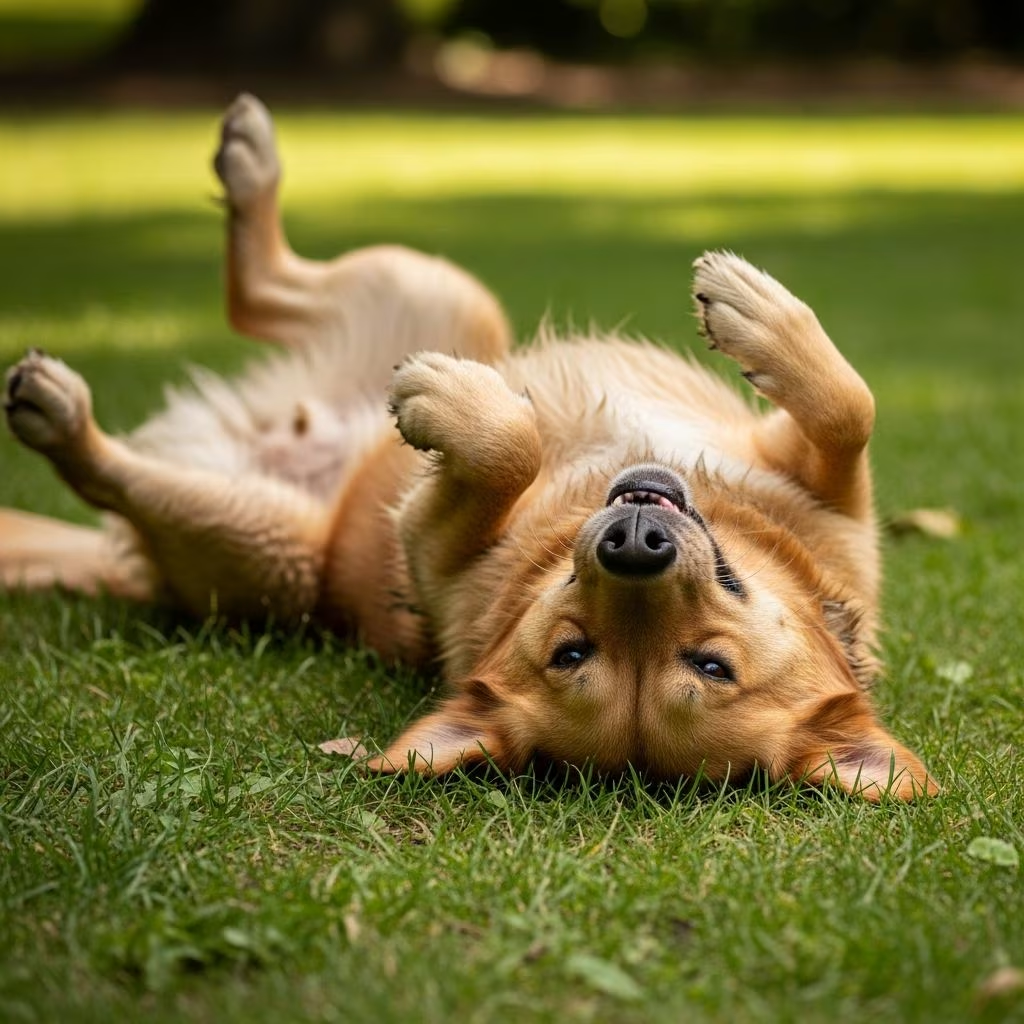
Dogs frequently roll onto their backs in various situations, a behavior rooted in instinct, communication, and physical needs. This action serves multiple purposes, ranging from social signaling to self-care, and understanding it enhances the bond between pet and owner.
The Playful Side of Back Rolling
One of the most joyful reasons dogs roll on their backs is during play sessions. This posture often acts as an invitation or tactical move in roughhousing, especially with smaller dogs or puppies. A loose, wiggly body combined with an open mouth signals fun, sometimes preceded by a play bow. Research shows that rolling provides a strategic edge, allowing dogs to evade bites or launch counterattacks, debunking the myth that it’s purely submissive.
In group play, frequency increases with session length, functioning as offensive or defensive maneuvers rather than yielding. Owners might see this when tossing a toy, as the dog flips to engage more dynamically.
Scent Marking and Territorial Signals
Dogs use back rolling to spread their scent or acquire new ones, particularly on grass, dirt, or unpleasant substances like animal waste. This instinct links to their wild ancestors who masked odors to hunt or communicate pack presence. During walks, a sudden roll in something smelly indicates scent pickup for social or predatory reasons.
- Enhances personal odor profile for territory marking.
- Picks up environmental scents to share with pack mates.
- Often targets hard-to-reach back areas with scent glands.
While gross to humans, it’s a natural communication tool in canine society.
Seeking Relief from Itches and Discomfort
Physical itchiness drives many rolls, as dogs lack opposable thumbs to scratch their backs effectively. Rolling on grass, carpet, or rugs targets hard-to-reach spots, mimicking wild scratching against rocks or trees. Watch for repeated motions focused on one area, which might signal fleas, allergies, or dry skin.
Table: Common Back-Related Itch Causes
| Cause | Symptoms | Solution |
|---|---|---|
| Fleas/Ticks | Scratching, redness | Vet-recommended treatments |
| Allergies | Hot spots, hair loss | Antihistamines, diet change |
| Dry Skin | Flaking, dull coat | Moisturizing shampoos |
Regular grooming prevents escalation to infections.
Social Communication: Submission and Appeasement
Back rolling often conveys non-threat, especially when meeting new dogs or people. Puppies and adolescents use it frequently to diffuse tension, showing vulnerability with paws up and tail tucked. Adults may roll to greet family excitedly or calm a raised voice, pairing it with a squirmy body.
Classic studies describe this as passive submission, akin to a white flag, effective in avoiding conflict. However, context matters: playful rolls differ from fearful ones.
Requests for Affection and Attention
A happy dog rolling near you typically begs for belly rubs, eyes soft and tongue lolling. This exposes the vulnerable abdomen, trusting your touch. Greetings after absences often feature this, signaling joy and desire for interaction.
Responding reinforces positive association, but always check for stiffness indicating discomfort.
Signs of Comfort, Relaxation, and Sleep
Sleeping on the back with belly exposed denotes deep security in the environment. Muscles relax fully, breathing steady—a hallmark of trust. Not all dogs prefer this; some opt for curled positions without implying unease.
Observe during naps: paws twitching might indicate dreaming, adding to the endearing sight.
When Rolling Signals Stress or Overwhelm
Conversely, tense rolling with stiff body, trembling, or whale eye points to anxiety. In overwhelming scenarios like vet visits or crowds, it represents learned helplessness or appeasement to halt escalation. Urine leakage accompanies extreme fear.
Remove from stressor immediately and consider desensitization training to rebuild confidence.
Interpreting Body Language Holistically
No single posture tells all; combine with ears, tail, eyes, and vocalizations. Loose wagging tail? Playful. Tucked tail? Fearful. Play bows precede fun rolls, while avoidance gazes signal submission.
- Playful: Wiggly, open mouth, play bow.
- Affectionate: Soft eyes, relaxed paws.
- Fearful: Stiff, trembling, tucked tail.
- Itchy: Focused rubbing, no eye contact.
Training enhances readability, preventing misinterpretation leading to bites.
Health Checks and When to See a Vet
Excessive or sudden rolling warrants scrutiny. Persistent focus on one spot might reveal skin issues, parasites, or pain. Monitor for limping post-roll or avoidance of touch.
Breeds with thick coats like Huskies itch more seasonally. Annual checkups catch underlying allergies or neurological quirks.
Training Tips to Manage and Encourage Positive Rolls
Channel rolls into games: reward play bows with toys. Discourage gross scent-rolling with commands like “leave it” followed by redirects. Positive reinforcement builds trust, reducing fear-based rolls.
- Observe patterns daily.
- Use treats for desired behaviors.
- Socialize early to minimize submission needs.
- Groom weekly for itch prevention.
Evolutionary Roots of the Behavior
Traced to wolves, back rolling aided camouflage via dung rolls for hunting stealth. Domestication adapted it for social bonding, retaining primal drives. Modern dogs blend survival instincts with companionship signals.
FAQs: Common Questions on Dog Back Rolling
Is back rolling always a sign of submission?
No, it varies by context—play, itch relief, or affection often dominate over submission.
Why does my dog roll in poop?
Scent acquisition for masking or communication, an ancestral trait.
Should I always rub my dog’s belly when they roll?
Check body language; stiffness means give space to avoid escalation.
Can certain breeds roll more?
Active breeds like Labs play-roll frequently; itch-prone ones like Bulldogs do for relief.
What if rolling stops suddenly?
Possible pain or depression; consult a vet.
Enhancing Your Bond Through Understanding
Recognizing back-rolling nuances fosters empathy, reducing mishaps and deepening trust. Daily observation turns quirks into conversation starters with your vet or trainer.
References
- Things your dog is trying to tell you when they roll on their back — The Corona News. 2024-02. https://thecoronadonews.com/2024/02/things-your-dog-is-trying-to-tell-you-when-they-roll-on-their-back/
- Why Does My Dog Roll on Their Back? — American Kennel Club. Accessed 2026. https://www.akc.org/expert-advice/lifestyle/why-does-my-dog-roll-on-their-back/
- Why Do Dogs Roll on Their Backs? — Whole Dog Journal. Accessed 2026. https://www.whole-dog-journal.com/behavior/why-do-dogs-roll-on-their-backs/
- Rollovers Do Not Always Mean a Dog Is Afraid or Submissive — Psychology Today. 2015-01. https://www.psychologytoday.com/us/blog/canine-corner/201501/rollovers-do-not-always-mean-dog-is-afraid-or-submissive
- Why Dogs Roll Over on Their Backs: Submission, Trust or Overwhelm — Trusting K9. Accessed 2026. https://trustingk9.com/blog/f/why-dogs-roll-over-on-their-backs-submission-trust-or-overwhelm



