Decoding Dog Affection: Petting Signals
Learn to read your dog's body language and pet effectively to build trust and reduce stress for both you and your pet.
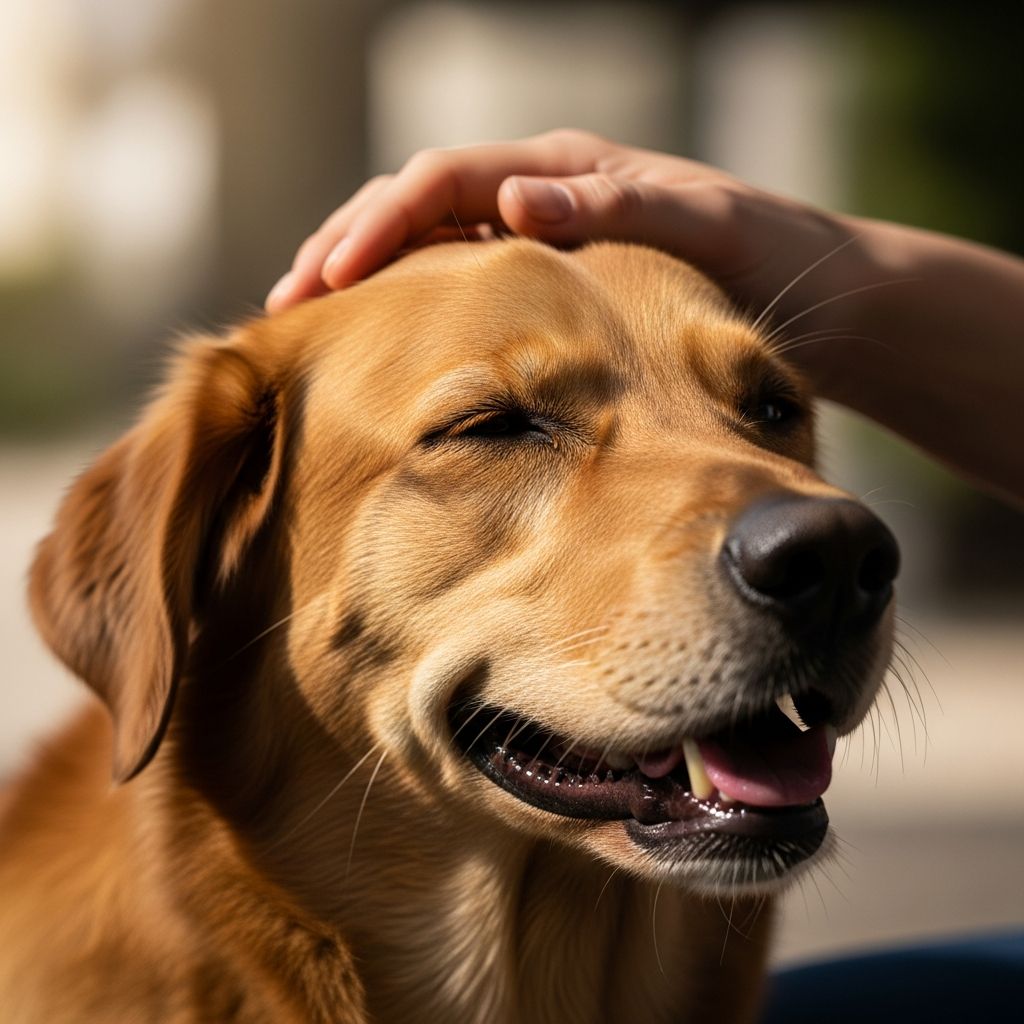
Dogs thrive on physical touch from trusted humans, but not all petting is welcome. Understanding canine cues ensures interactions strengthen bonds rather than cause stress.
Why Touch Matters in Human-Dog Relationships
Physical contact like petting triggers oxytocin release in both dogs and humans, mimicking mother-infant bonding and reducing stress levels. This “love hormone” surges during gentle strokes, promoting mutual relaxation and emotional connection.
Research shows that such interactions benefit strangers petting calm dogs too, as touch alone elevates oxytocin regardless of familiarity. For owners, regular positive petting reinforces security and companionship.
Reading Your Dog’s Body Language for Consent
Dogs communicate preferences clearly through posture, facial expressions, and movements. Key signals indicate if petting is desired:
- Relaxed ears and soft eyes: Invitation to touch.
- Leaning in or nuzzling: Active seeking of affection.
- Tail wagging loosely at mid-height: Contentment.
- Play bow or exposed belly: Trust and playfulness.
Conversely, avoidance signs include:
- Ears pinned back or tucked: Fear or discomfort.
- Whale eye (whites visible): Anxiety.
- Yawning, lip licking, or turning away: Stress appeasement.
- Stiff body or raised hackles: Warning to stop.
Observing these prevents misunderstandings, as dogs may tolerate unwanted touch from familiars but show redirected behaviors like floor sniffing.
Prime Petting Zones: Where Dogs Love It Most
Not all body parts are equal for canine enjoyment. Studies reveal preferences vary by familiarity.
| Preferred Areas | Why It Works | Avoid These | Reasons to Skip |
|---|---|---|---|
| Chest sides, under chin | Feels secure, low dominance | Top of head, paws | Feels threatening |
| Shoulders (gentle) | Relaxing massage | Hind legs, tail base | Too sensitive/intimate |
| Neck (sides only) | Accessible grooming spot | Muzzle covering | Restrictive, stressful |
Dogs show fewer stress signals like panting or lip-licking when touched in favored spots by familiars. Unfamiliar people should stick to chest or chin to minimize appeasement gestures.
The Science of Stress and Touch Timing
Petting during arousal reinforces unwanted states. Stroking a fearful or excited dog signals approval of that mindset, potentially worsening behaviors.
Optimal timing: When calm and relaxed. This teaches touch as a calming cue, improving overall demeanor. Avoid petting during growling, shaking, or hyperactivity—ignore instead to de-escalate.
Effects of Familiar vs. Stranger Interactions
Familiar humans elicit more redirected behaviors (e.g., object playing) and prolonged stress signs during improper petting, as dogs feel safe enough to express discomfort subtly. Strangers prompt quicker withdrawals.
For therapy settings, location matters less for human benefits—any petting boosts well-being after 10 minutes—but dog comfort remains key.
Building Better Petting Habits Step-by-Step
1. Approach slowly: Let the dog initiate contact.
2. Start low: Hand near chest, palm up.
3. Watch responses: Pause if stress appears.
4. Use voice: Soft tones enhance relaxation.
5. End positively: Stop before overstimulation.
Consistent habits foster trust, making dogs more receptive over time.
Common Petting Mistakes and Fixes
- Mistake: Hugging tightly. Fix: Loose scratches only.
- Mistake: Petting aroused states. Fix: Wait for calm.
- Mistake: Ignoring warnings. Fix: Respect signals immediately.
- Mistake: Rushing with strangers. Fix: Always ask owner first.
Health Benefits Backed by Research
Oxytocin boosts from petting lower cortisol, aiding anxiety reduction in both species. Neural pleasure pathways in dogs activate via gentle strokes, akin to mouse studies on massage nerves.
Human empathy networks engage viewing distressed pups, driving compassionate touch.
FAQs on Petting Dogs Effectively
What if my dog avoids petting sometimes?
Check for pain, stress, or preference shifts. Consult a vet if persistent.
Can all dogs be taught to enjoy petting?
Most can with patient, positive conditioning, respecting individual boundaries.
Is belly rubbing always okay?
Only if offered voluntarily; forced exposure builds distrust.
How long should petting sessions last?
5-10 minutes max, or until subtle disinterest shows.
What about puppies vs. adults?
Puppies seek more touch for socialization; adults vary by experience.
Enhancing Bonds Through Mindful Touch
Mindful petting transforms routine interactions into profound connections. By prioritizing dog-led consent and science-informed techniques, owners create safer, happier homes. Regular observation hones intuition, turning every stroke into mutual joy.
References
- Pet Therapy: The Science Behind Petting Animals — UCI Morning Sign Out. 2019-07-16. https://sites.uci.edu/morningsignout/2019/07/16/pet-therapy-the-science-behind-petting-animals/
- Dogs’ Responses to Affection from Familiar and Unfamiliar People — Companion Animal Psychology. 2013-01-01. https://www.companionanimalpsychology.com/2013/01/dogs-responses-to-affection-from.html
- Petting a Dog: How Affection Can Change Your Dog’s Behavior — Canine Peace of Mind. 2018-01-15. https://caninepeaceofmind.com/petting-a-dog-how-affection-can-change-your-dogs-behavior/
- The Psychology of Petting The Dog — Platinum Paragon. N/A. https://platinumparagon.info/the-psychology-of-petting-the-dog/
- Does Where We Pet a Dog Affect Our Well-Being? — Psychology Today. 2026-02-01. https://www.psychologytoday.com/us/blog/canines-kids-and-kindness/202602/does-where-we-pet-a-dog-affect-our-well-being
Similar Articles








Read full bio of medha deb